
Blog
Garage Doors Built for a Different Era
Most Kennewick garages were built between 1981 and 2000, before insulated steel doors were standard. Here's what that means for comfort and energy loss today.
How Local Conditions Play In
Most of the houses we work on here went up between 1981 and 2000, with the median sitting right around 1989. That's not ancient, but it's old enough to matter. Across the six areas we cover, that same 1980s-to-90s build wave is the rule, not the exception - subdivisions went up fast during that stretch, and garage doors were specified the way everything else was: to meet code at the time, not to save energy.
Back then, a single layer of rolled steel with no core was a normal garage door. Nobody was asking for an R-value. The opener mattered more than the panel. So if your house dates from that window - and odds are good it does - there's a real chance the door hanging on your garage today is the original one, or a like-for-like replacement nobody upgraded.
That matters more now than it did in 1989, because the garage in most of these houses isn't just for the car anymore. It's a shop, a laundry spot, sometimes a finished room with a shared wall to the house. An uninsulated panel on that wall is a cold slab sitting between your living space and the outside air.
The Problem
A non-insulated steel door from this era is basically a single sheet of metal. It has no foam core, no thermal break at the frame, and often thin or perished weatherstripping after three decades of sun and use. Steel conducts heat and cold fast - faster than the wood doors that came before it, and much faster than the insulated steel or composite doors sold today.
The result in a cold-moderate climate band like this one isn't catastrophic, but it's constant. Cold surface temperature on the inside face of the door. Condensation on the panel in the right conditions. A garage that never really warms up even with the rest of the house heated, which matters if there's a laundry setup, a freezer, or a shared interior door.
I'll say the honest part up front: insulating an old door panel after the fact, with foam board glued to the back, is a patch, not a fix. It helps some, but it doesn't address the frame gaps or the worn seals, and it adds weight the original hardware and springs weren't sized for. Past a certain point the door itself is the problem, not just what it's made of.
What Most People Get Wrong
The common move is to swap the weatherstripping and call it done. New seals around the edges help with drafts, and they're worth doing, but they don't change what the panel itself is made of. A bare steel sheet stays a bare steel sheet no matter how tight the gasket around it is.
The other thing people get wrong is assuming the opener or the springs are the issue when the garage just feels cold or drafty. Those parts move the door - they don't insulate it. Springs on a 1980s-90s door were sized for the weight of that era's panel, which is another reason bolting foam board onto an old door after the fact isn't free: added weight changes the balance, and a door that's out of balance wears its opener and cables faster.
With a median household income of $87,022 across our service area, most owners here can afford to do a proper insulated retrofit instead of a stopgap. That's usually the better call on a door from this build era - new insulated panel, matched hardware, done once.
The Seasonal Bit
Kennewick sits in a cold-moderate climate band, which means the garage takes real temperature swings even though winters here aren't brutal by national standards. That swing is exactly where an uninsulated 1980s-90s door shows its age - not in a single bad storm, but in the day-in, day-out gap between inside and outside temperature that a bare steel panel just passes straight through.
West Pasco is four miles out, Pasco is five, and Riverview sits four miles to the northeast - all inside the same build wave, so the same seasonal pattern plays out house to house across that stretch. Cold mornings make an old steel door sweat on the inside face. Warm afternoons on an insulated door barely register the same way.
I won't tell you an insulated door changes your heating bill by some specific number - I don't have that figure for this area, and nobody honest would make one up. What I can tell you is the garage itself holds temperature more evenly with a proper core in the panel, and that's the difference most owners actually notice, season to season.
Questions
Common questions
How do I know if my garage door has any insulation at all?
Knock on the inside face. A hollow, tinny sound usually means a single steel skin with no core. Insulated doors feel and sound denser, and most have a visible foam or fiberboard backing you can see from inside the garage. If your house dates to the 1980s or 90s and nobody's replaced the door, bare steel is the likely answer.
Is it worth insulating an original 1980s-90s door instead of replacing it?
Sometimes, but it's a patch, not a fix. Adding foam board to an old panel doesn't address worn seals or frame gaps, and the extra weight can throw off springs sized for the original door. If the door is otherwise sound and you just want to cut drafts, it can help. If it's near the end of its life anyway, replacement is the better money.
Does a colder garage actually affect the rest of the house?
If the garage shares a wall or ceiling with living space, yes - an uninsulated door lets outside air temperature push through more directly, and that shows up as a cold wall or floor nearby. It's not usually dramatic in this climate band, but it's steady, and it's one of the more common reasons owners finally replace an original door.
Recommendation
You Might Also Like
More garage door guides for Kennewick homeowners.
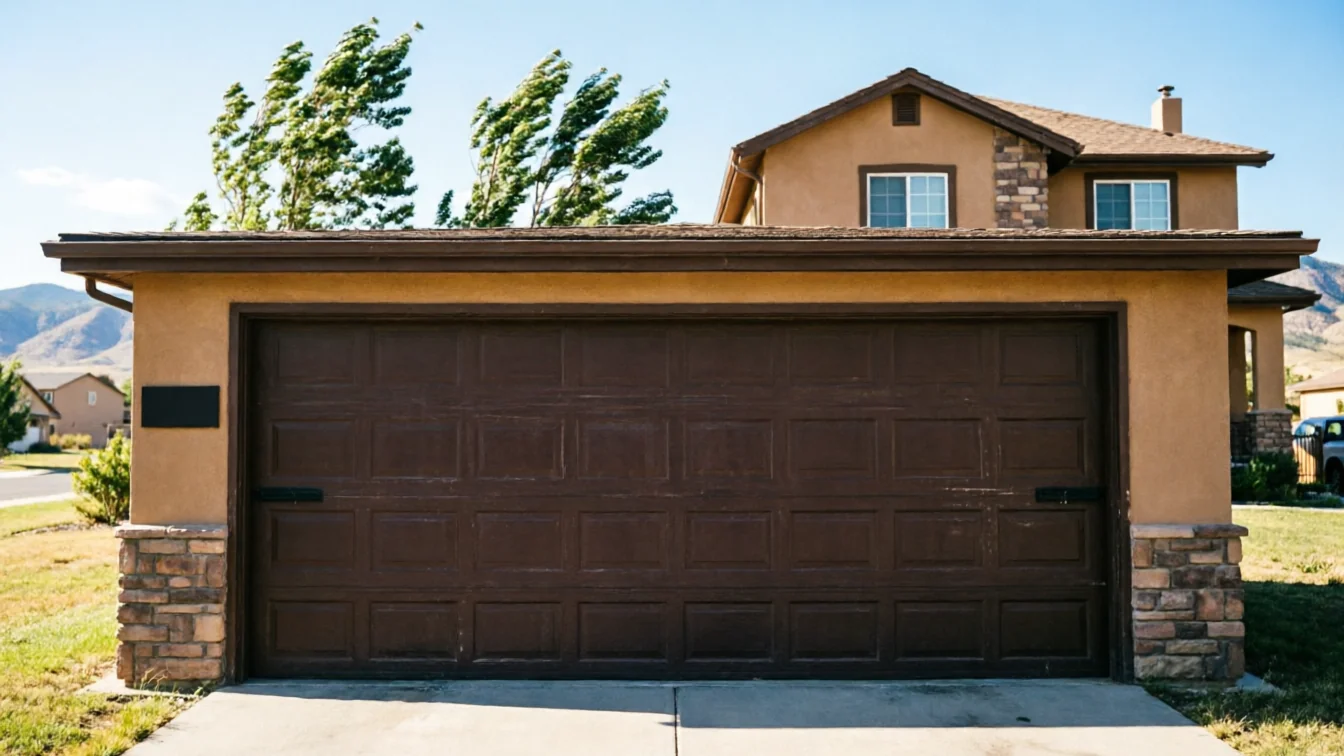
What a Power Cut Does to a Kennewick Garage Door Opener
Most Kennewick homes date to the 1980s and 90s, and a lot of their original openers have no battery backup.
Read guide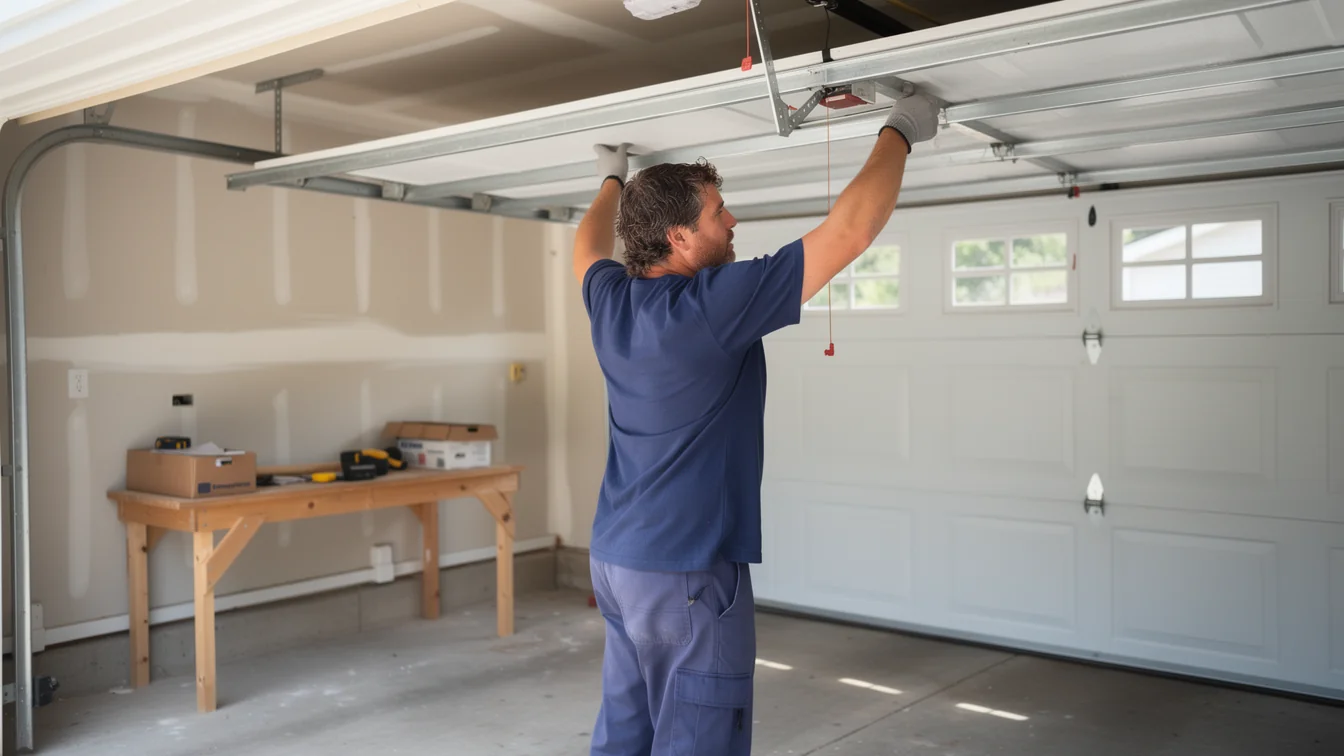
What a Service Call Covers in Kennewick
A look at what's included in a garage door service call in Kennewick, WA - diagnostics, parts, and labor for homes built mostly between 1981 and 2000 here.
Read guide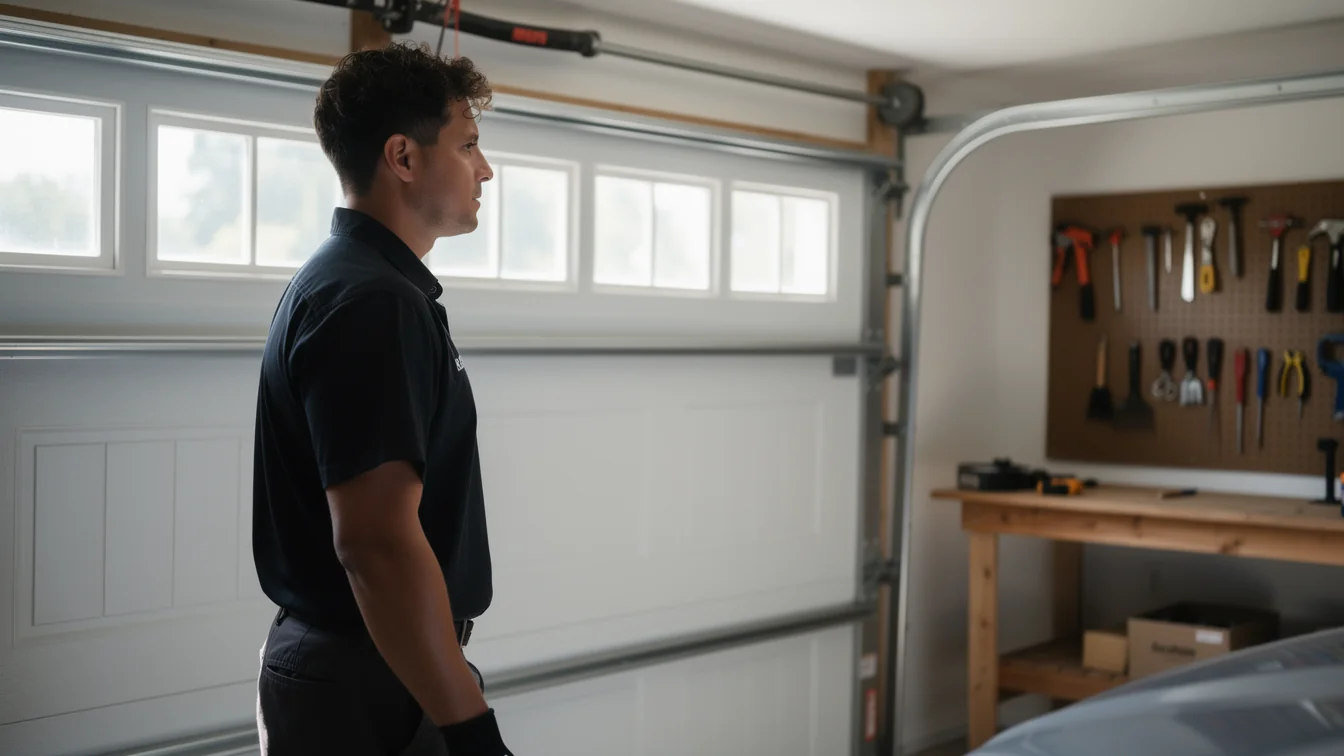
Is Your Older Kennewick Garage Door Worth Fixing?
Most Kennewick homes date to the 1980s-90s boom.
Read guideReady when you are
Need a garage door sorted in Kennewick?
Kennewick Garage Door Pros repairs and installs garage doors, springs and openers in Kennewick, WA and the surrounding area.