
Blog
Cold Weather and Garage Door Springs in Kennewick
Kennewick's cold winter mornings snap worn torsion springs fast, especially in homes built in the 1980s and 90s. Here's why it happens and what to do.
How Local Conditions Play In
Kennewick sits in a moderate cold climate band - not the brutal freeze of mountain towns, but enough freeze-thaw cycles each winter to stress steel. Most houses around Kennewick went up between 1981 and 2000, with the bulk of that stock dating to the 1980s and 90s across the six areas we run trucks through. That means the torsion springs holding up a lot of doors in Kennewick are now 25 to 40 years old, well past the realistic lifespan of a spring that was never swapped out. We also run jobs out toward West Pasco, Pasco, Finley, and Burbank, and the pattern holds across that stretch - it's mostly the same construction era, so the same springs are aging out at roughly the same time. That's not a coincidence of bad luck; it's a batch of hardware from the same decades hitting the same wall at once.
The Problem
In cold weather, steel contracts and gets more brittle, and a spring already near the end of its wound-cycle count is the one that gives. On a double door in a Kennewick home built in the 80s or 90s, the spring has gone through tens of thousands of cycles already; a 10-degree morning is just the nudge that finishes it off. When it happens, the door either won't lift at all, or it drops fast because the spring isn't holding tension to oppose the weight of the panels. A single door carries less weight, so sometimes a broken spring there just means a slow, heavy lift instead of a dead stop - but either way the door isn't safe to run on an opener until the spring is replaced. The opener motor isn't built to lift that weight alone, and trying anyway usually burns out the motor next.
What Most People Get Wrong
People think spraying WD-40 on a spring will stop it from breaking - it won't, and it can actually make dirt and grit stick to the coils, which speeds up wear. Others wait for warm weather to deal with a spring that's already making noise, figuring the cold is the problem. Cold is the trigger, not the cause; a spring that's been wound and unwound for 25 to 40 years was going to go eventually, warm or not. Honest limitation: we don't recommend adjusting or removing a torsion spring yourself. The tension stored in one of these can break a bone, and that's not a weekend project with a wrench from the garage. If you hear a loud bang or notice the door won't budge, leave it alone and call - don't force the opener or try to lift it manually before someone's looked at the spring and the cable on both sides.
The Seasonal Bit
The calls cluster on the first hard cold mornings of the year, when overnight temps drop enough that steel already fatigued finally snaps. Because so much of the housing here in Kennewick dates to the 1981-2000 run, we see a wave of same-era spring failures within days of each other when a cold front moves through - not because the doors are unusual, but because they were all wound up around the same two decades. It tends to ease off once temperatures settle into a steadier cold instead of swinging; it's the sharp overnight drops that do the damage, not sustained cold on its own. If your door has been fine all fall and suddenly won't move on the first freezing morning, that timing alone tells you most of what you need to know.
Questions
Common questions
Why did my spring break on such a cold morning?
Cold makes steel more brittle and less forgiving, and it's usually the final push on a spring that's already near the end of its cycle life. If your house dates to the 1980s or 90s, which describes most of the homes in this area, that spring has likely been running for 25 to 40 years without a swap.
Can I just tighten or adjust the spring myself?
We don't recommend it. A wound torsion spring holds enough stored force to cause a serious injury if it slips while you're working on it. It's one of the few jobs on a garage door that's genuinely not worth doing yourself, even if you're handy.
Does cold weather mean I should replace my opener too?
Not necessarily. A broken spring puts extra strain on the opener motor if someone tries to run the door anyway, which can burn it out, but the opener itself usually isn't damaged by cold on its own. We'd check it while we're there, not replace it as a default.
Recommendation
You Might Also Like
More garage door guides for Kennewick homeowners.
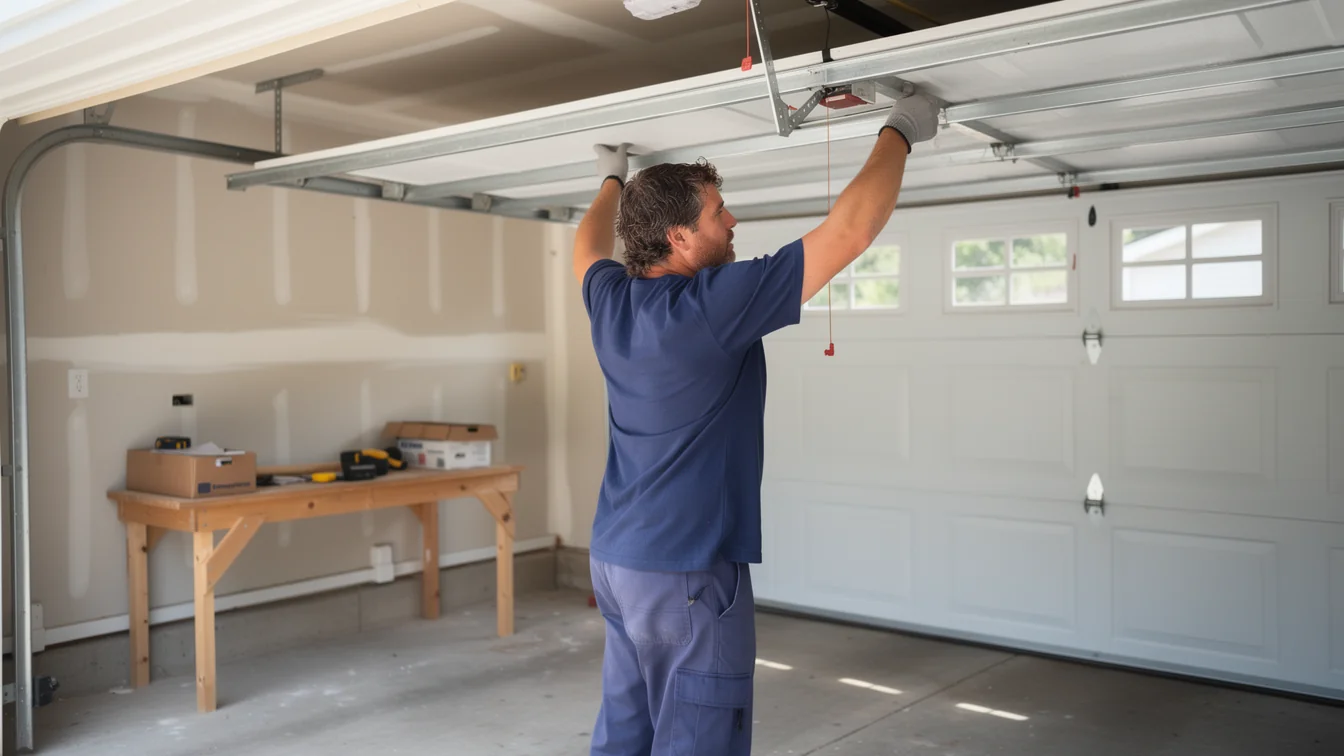
What a Service Call Covers in Kennewick
A look at what's included in a garage door service call in Kennewick, WA - diagnostics, parts, and labor for homes built mostly between 1981 and 2000 here.
Read guide
Is Your Older Kennewick Garage Door Worth Fixing?
Most Kennewick homes date to the 1980s-90s boom.
Read guide
Garage Doors Built for a Different Era
Most Kennewick garages were built between 1981 and 2000, before insulated steel doors were standard.
Read guideReady when you are
Need a garage door sorted in Kennewick?
Kennewick Garage Door Pros repairs and installs garage doors, springs and openers in Kennewick, WA and the surrounding area.