
Blog
Is Your Older Kennewick Garage Door Worth Fixing?
Most Kennewick homes date to the 1980s-90s boom. Here's how that age and our cold-moderate winters decide whether your door is worth repairing or replacing.
How Local Conditions Play In
Walk through the six main pockets of this service area and you'll notice the houses mostly share a birthday: 1981 to 2000, median build year 1989. That means a lot of garage doors out there are original or close to it - pushing thirty-plus years on the same spring set, same hinges, same panel steel. A door built in that window was sized and hardware-matched to codes and materials from that era, which is a different animal than what goes into a door today.
Our climate here sits in the cold-moderate band, not brutal, but enough to put real stress on a door twice a year. Winter cold stiffens lubricant and tightens steel tolerances; the shift back to warmer months loosens things up again. A door that's cycled through thirty-some of those swings has a lot of expansion and contraction behind it, even if it still looks fine from the driveway. That's the backdrop for every repair-or-replace call in this area - the door's age tells you almost as much as its symptoms do.
The Problem
With close to 19,085 owner-occupied houses across this area, and most of that stock going up in the same twenty-year window, we see the same failure patterns over and over: torsion springs that have outlived their cycle count, rollers worn oval instead of round, and track that's been bent back into shape more than once. None of that means the door is junk. It means the door is doing exactly what a thirty-to-forty-year-old door does.
The real problem is deciding which of those symptoms is a $150 fix and which one is the start of a replacement conversation. A worn roller or a frayed cable on a door from this era is almost always worth fixing - the labor is the same regardless of the door's age, and the panel underneath is usually still structurally sound. Where it gets harder is when the opener, the springs, and the hardware are all original at once. Fixing one piece at a time on a door that old starts to add up, and at some point you're paying 1989 labor rates on 2020s pricing just to keep original parts alive.
What Most People Get Wrong
The most common mistake we see in this area is treating every noise or stiff spot as proof the door needs replacing. It doesn't. A door from the 1980s or 90s stock, with household incomes around $87,022 median in this area, was usually built with heavier-gauge steel and simpler hardware than a lot of what's sold cheap today - in a lot of cases the bones are better than people assume.
The opposite mistake is just as common: assuming a tune-up fixes everything. If the springs are original and the opener is original, lubricating the track isn't going to solve the underlying wear. People also forget that a door this age may use spring sizes or track profiles that aren't stocked the way current hardware is, so a repair can take longer to source parts for than a newer door would. We'll tell you straight when a part isn't something we can get same-day - that's a real limitation, not an excuse, and it factors into whether fixing makes sense on a given week.
The Seasonal Bit
In a cold-moderate climate like this one, the worst time to find out your spring is at the end of its life is a cold morning when the steel has contracted and the door's at its heaviest to lift by hand. That's also when an aging torsion spring is most likely to let go, because the metal's least forgiving when it's cold.
If your door was installed anywhere in that 1981-2000 window and it's never had the springs replaced, the honest answer is that it's closer to the end of its working life than the middle. That doesn't mean replace the whole door - a spring swap on a door that old is still one of the best-value repairs there is, because the panel and track usually have plenty of life left. What's not worth fixing, as the colder months set in, is patching a door where the opener, springs, and rollers are all original and all showing wear at once. At that point you're repairing the same door three times in two years instead of once, properly.
Questions
Common questions
My garage door is original to a house built in the late 1980s. Is it too old to repair?
Not on its own. Age alone doesn't disqualify a door - plenty of houses in this area still have original panels doing fine. What matters is whether the springs, opener, and rollers have already been replaced or are all original and failing together. One worn part is usually a repair. Several at once is a replacement conversation.
Why did my spring break in cold weather?
Our winters sit in a cold-moderate band, which is enough to stiffen steel and change how a torsion spring behaves under load. A spring that's near the end of its cycle life is more likely to fail on a cold morning than a mild afternoon, because the metal has less give. It's not the cold causing the problem - it's exposing a spring that was already close to done.
Is it cheaper to fix an old door or replace it?
If one or two parts are worn - a roller, a cable, a single spring - fixing almost always costs less than replacement and keeps a sound panel in service. Once the opener, springs, and hardware are all original and all wearing out together, the repair bills start stacking up to where a new door makes more financial sense over a few years.
Recommendation
You Might Also Like
More garage door guides for Kennewick homeowners.
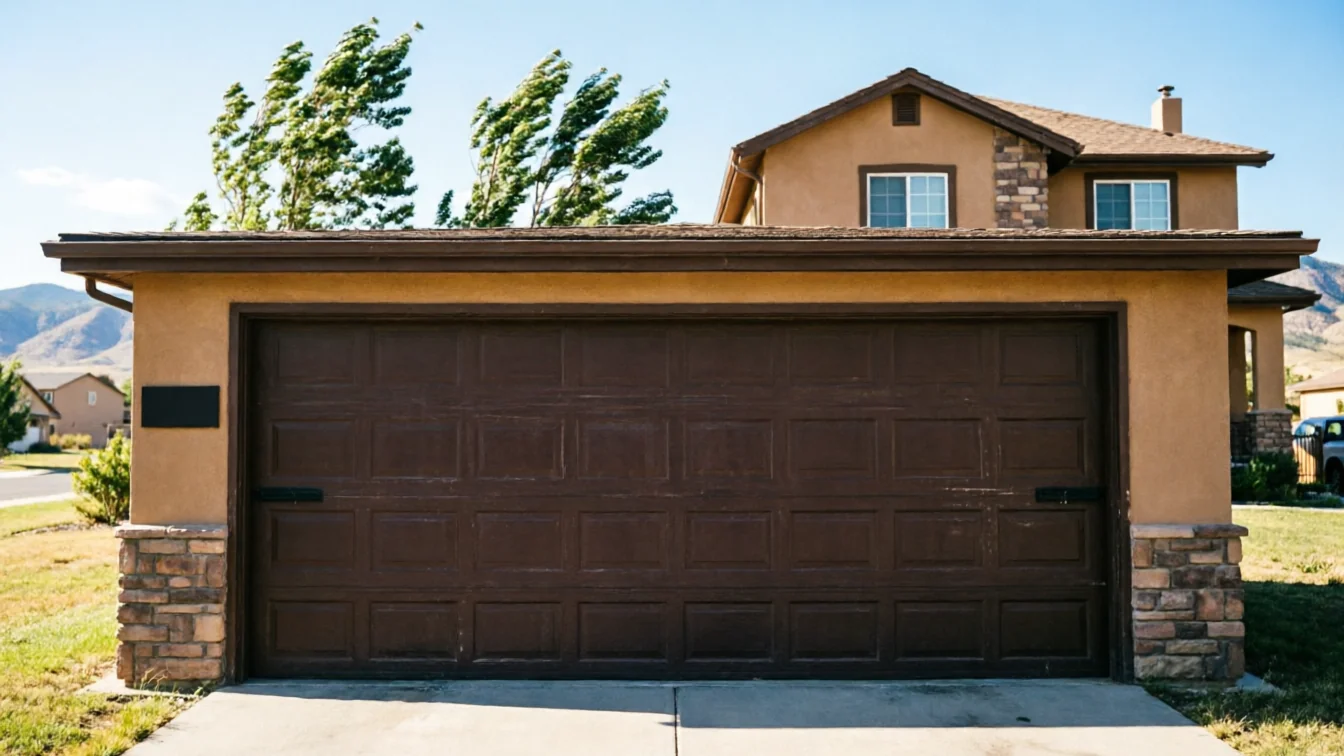
What a Power Cut Does to a Kennewick Garage Door Opener
Most Kennewick homes date to the 1980s and 90s, and a lot of their original openers have no battery backup.
Read guide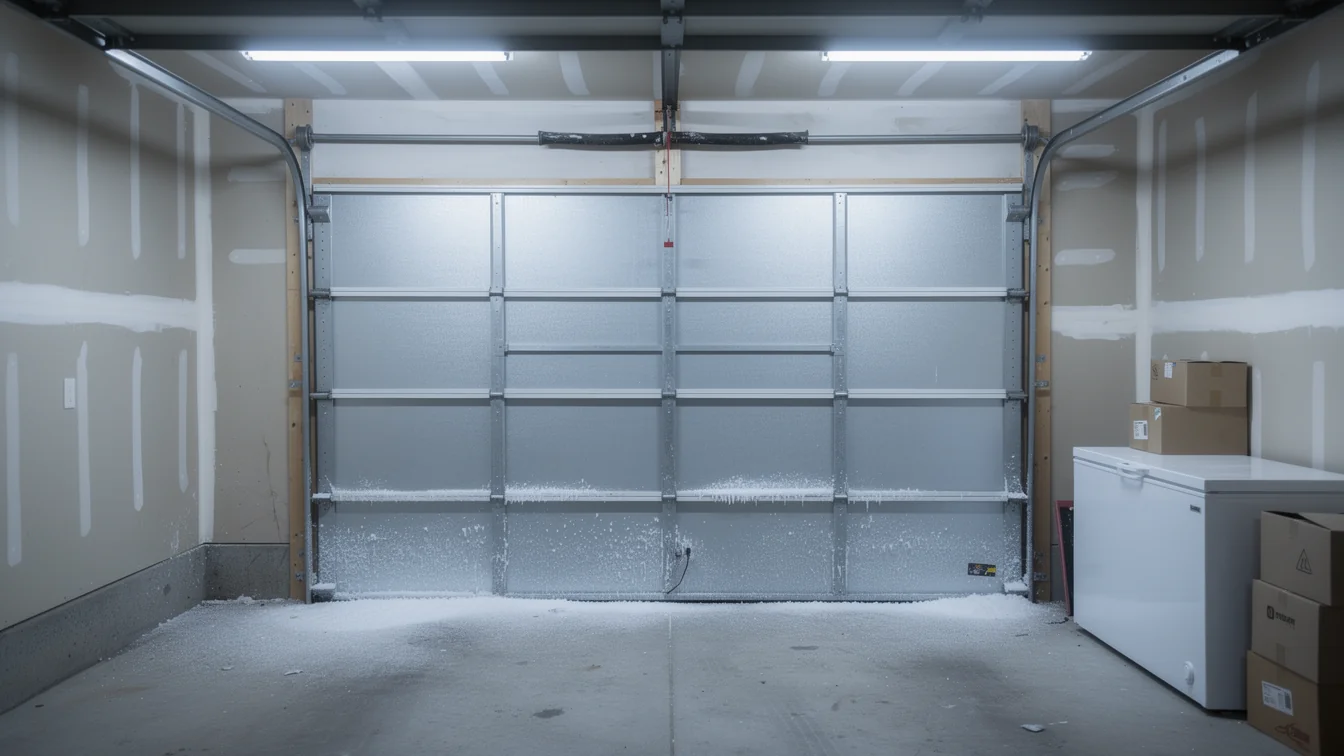
Cold Weather and Garage Door Springs in Kennewick
Kennewick's cold winter mornings snap worn torsion springs fast, especially in homes built in the 1980s and 90s.
Read guide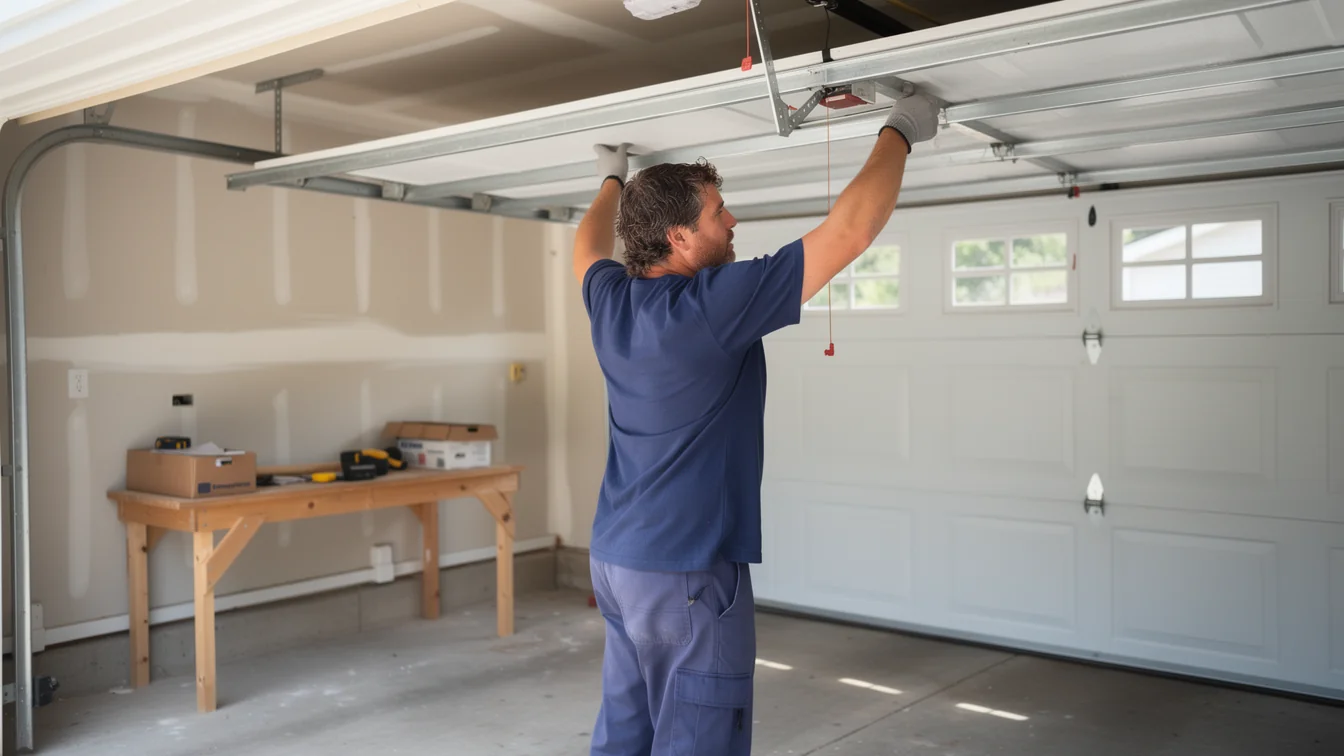
Garage Doors Built for a Different Era
Most Kennewick garages were built between 1981 and 2000, before insulated steel doors were standard.
Read guideReady when you are
Need a garage door sorted in Kennewick?
Kennewick Garage Door Pros repairs and installs garage doors, springs and openers in Kennewick, WA and the surrounding area.