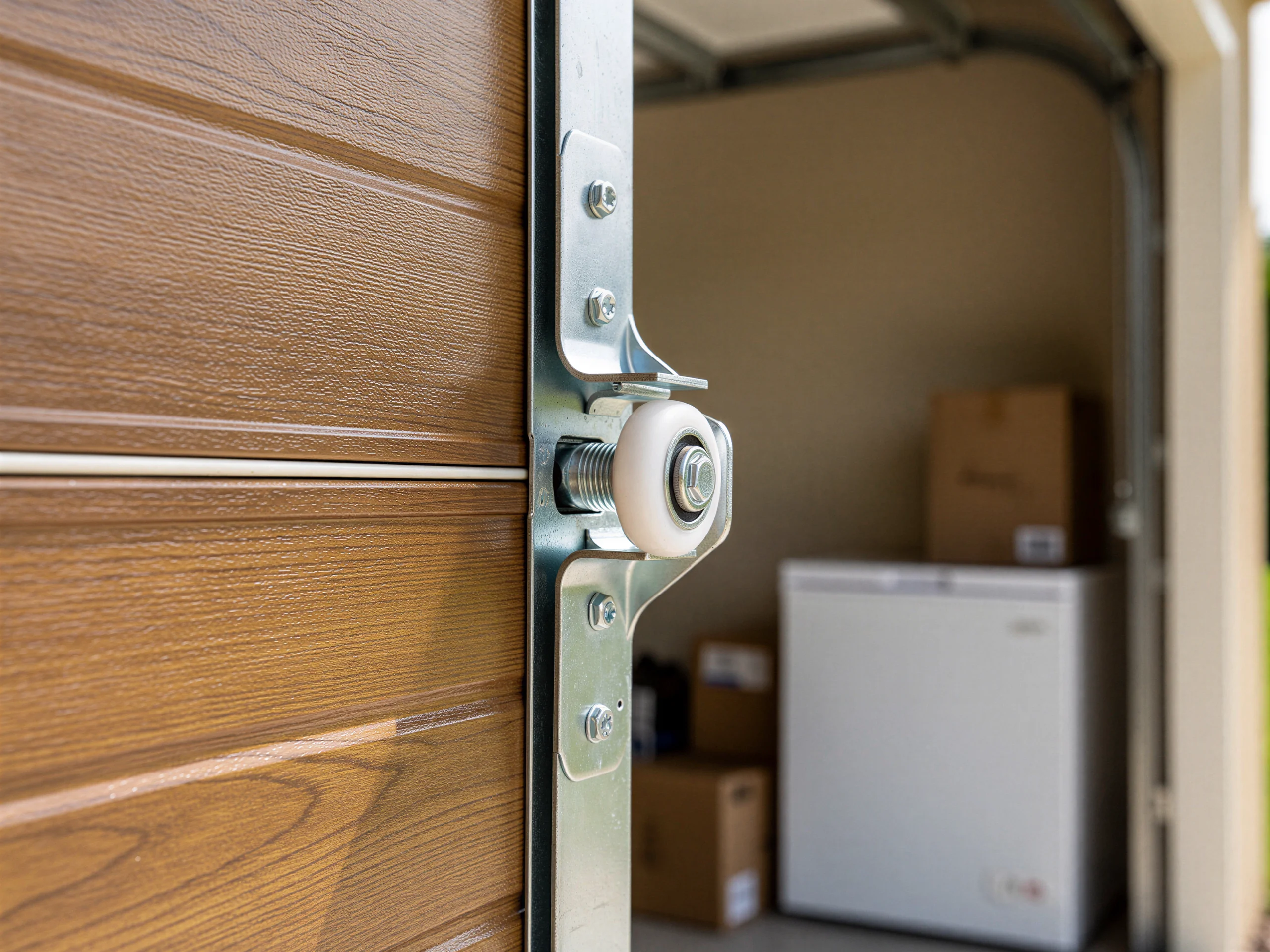
The first sign is usually sound, not movement. A grinding or clicking as the door travels, loudest right where the roller meets the curve at the top of the track. Steel rollers that have lost their bearing grease tend to squeal; nylon rollers that have cracked tend to clunk, one hard knock per rotation.
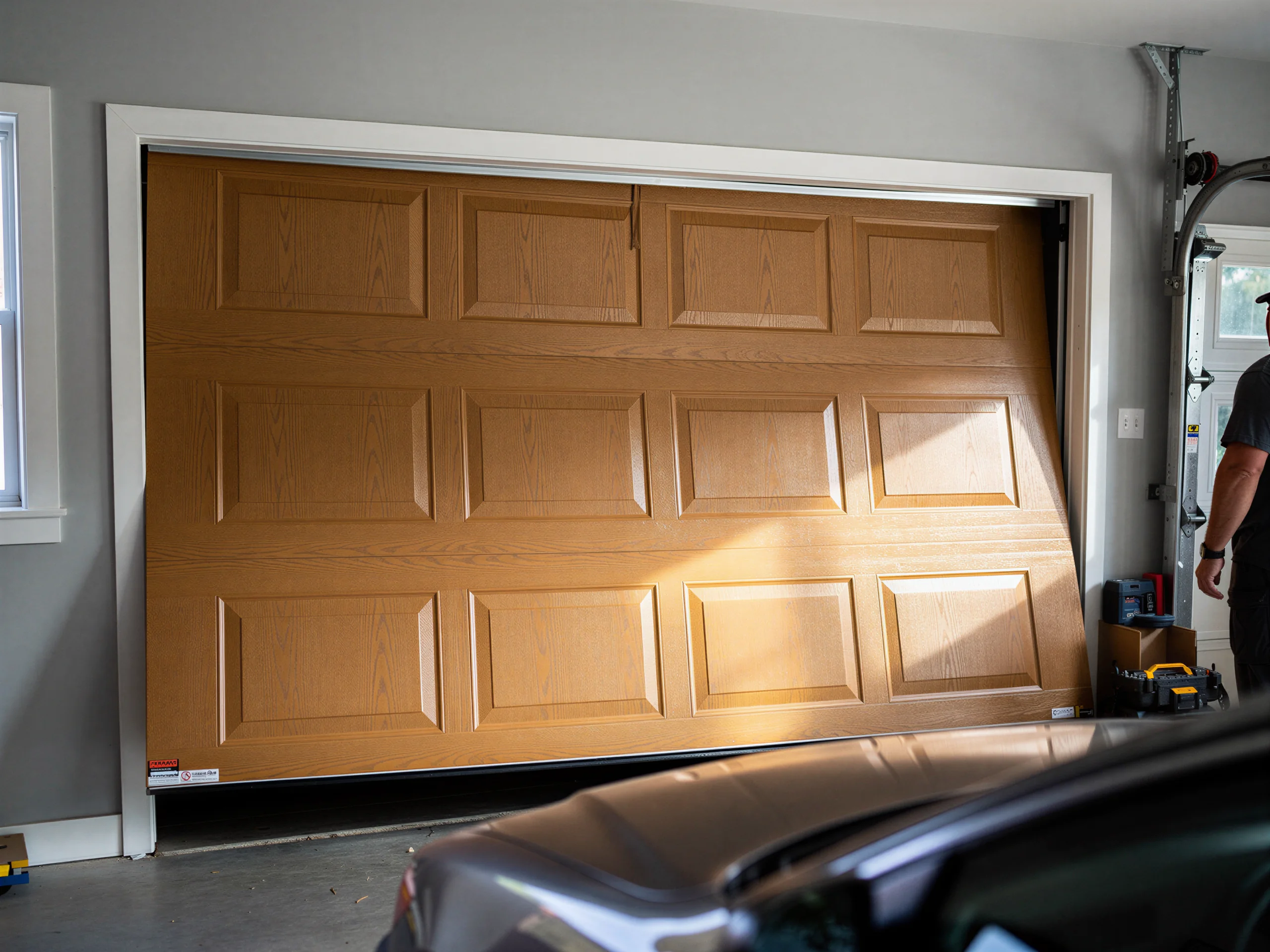
After that comes the visible stuff. The door hesitates at the same spot every time, usually where a worn roller hits a rough patch on the rail. On a two-car door, one side can start lagging behind the other, which puts the whole panel slightly out of square and stresses the opener arm more than it should.
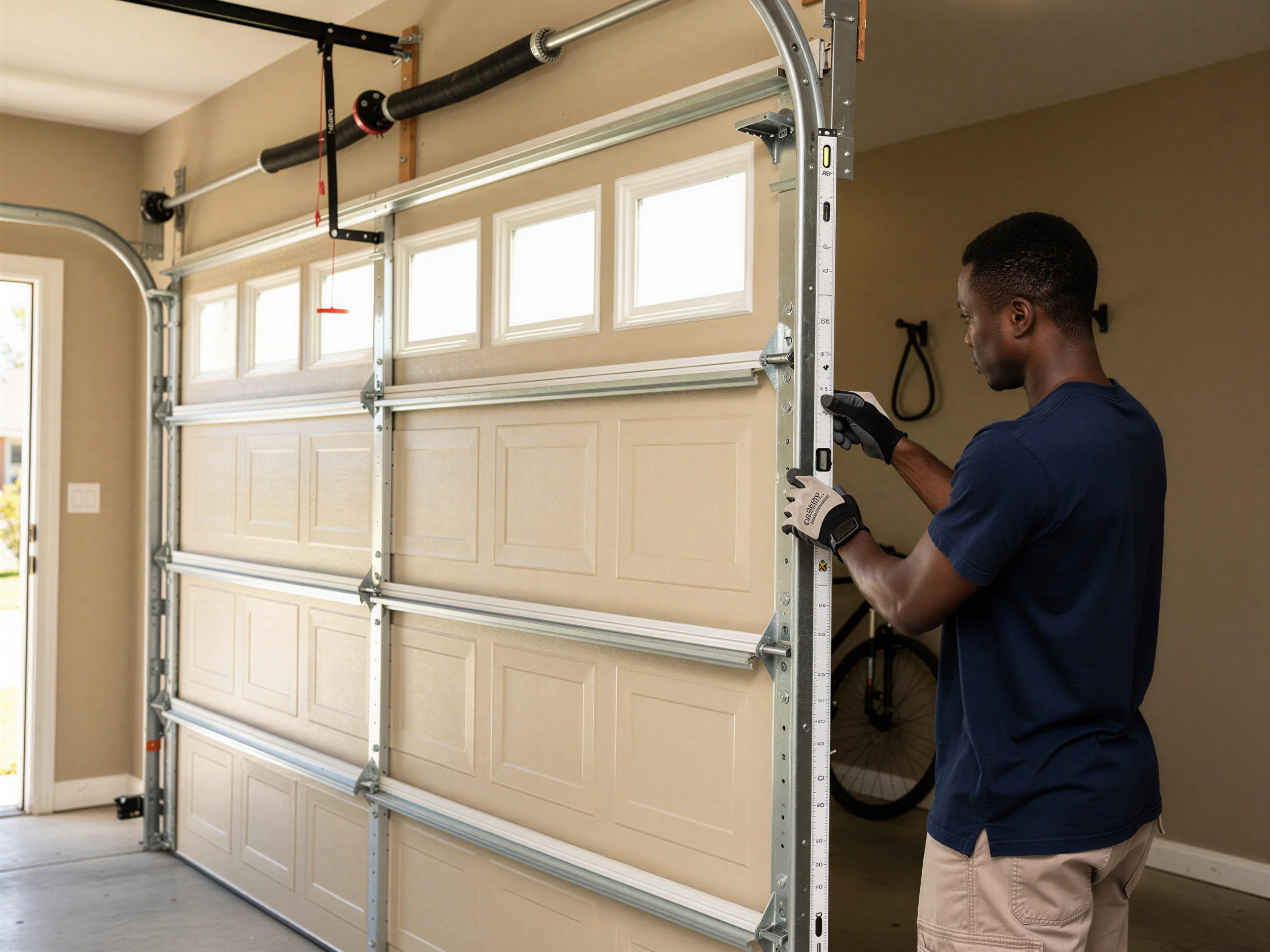
Look at the roller itself if you can get eyes on it with the door open. Cracked nylon, flat spots worn into a steel wheel, or a stem that's bent at an angle instead of sitting straight in the bracket are all signs it's done, not just noisy. Rollers rarely fail without warning.