Kennewick, WASame-day service/Free estimates/Licensed & insured(509) 204-9599
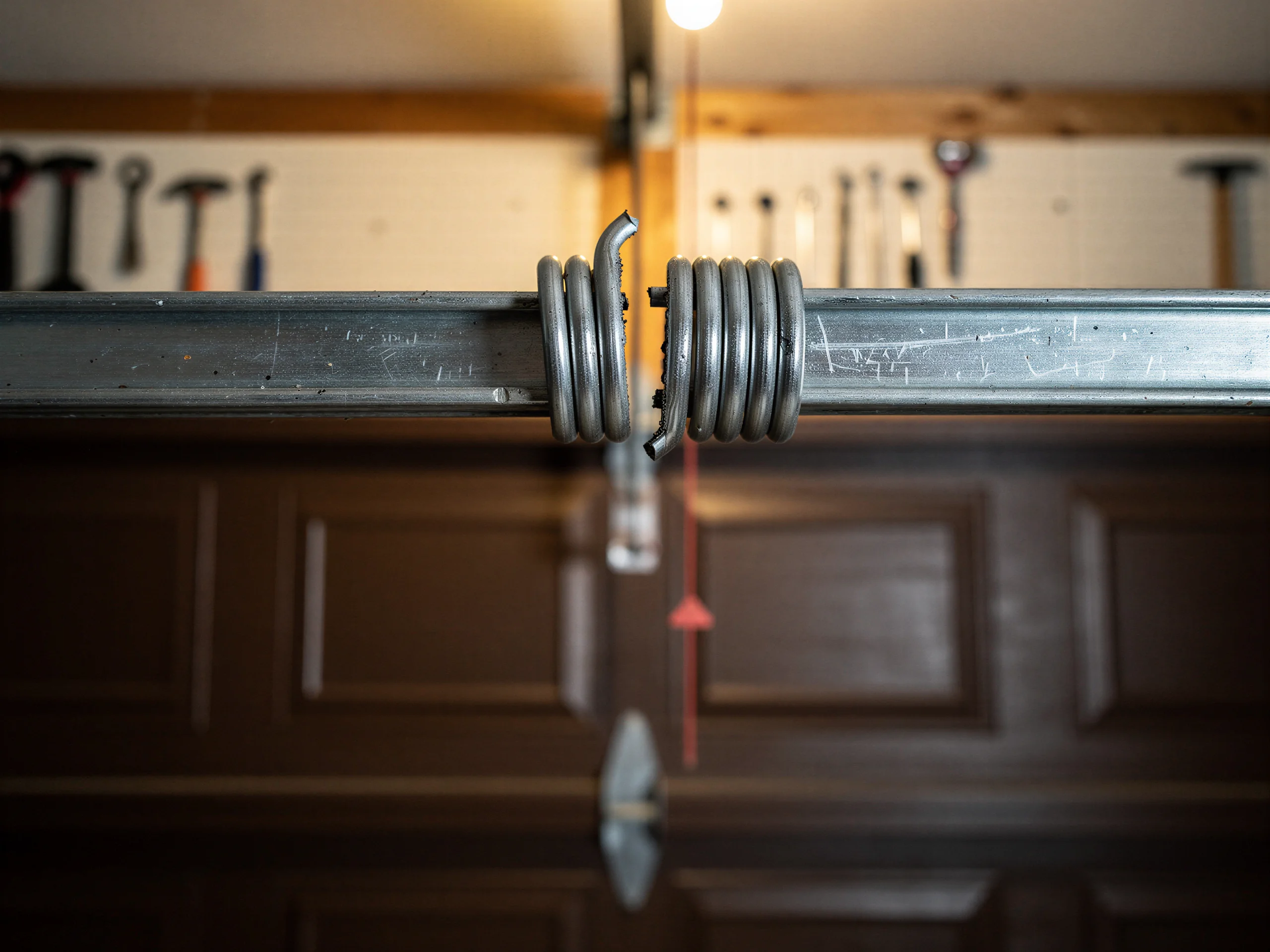
A broken torsion spring is visible on a garage door.

Kennewick, WA

Garage Door Spring Repair for Kennewick Homes

Broken torsion spring on a Kennewick garage door? We explain why 1980s-90s builds and cold winters here wear springs out faster, and what the repair actually involves.

Serving Kennewick, WABackground-checked techsHonest, upfront pricingFast local response
Local
Crews that work this area daily
Same-day
Response for most repair calls
Upfront
Pricing agreed before we start
Insured
Background-checked technicians

DIY or pro

Doing It Yourself

A broken torsion spring is not a weekend project, and we'll say that plainly up front. The spring above your door is wound under enough tension to snap a wrench out of your hand or drop a 150-pound door on a foot.

Spring swap, not adjustment

If you're reading this because your door won't open, or it opens a few inches and stops, the fix is a spring swap - not an adjustment, not a lubrication job. What you can safely do yourself: look at the spring. If it's stretched with a visible gap in the coil, or one half is sitting on the floor of the garage, that's your answer.

Release cord before lifting

Pull the release cord so the door is disconnected from the opener before anyone tries to force it by hand - an opener motor will burn out trying to lift a door with a dead spring. What we don't recommend: buying a spring online and winding it yourself with winding bars you borrowed.

Mismatched spring tension

The hardware varies by door weight and track type, and the wrong spring either won't lift the door or will over-cycle and fail again in months. This is one of the jobs in garage door work where the labor is the actual product, not the part.

Job timing

Time on the Job

A straightforward torsion spring replacement on a standard double door usually runs under two hours once the truck is on site - removing the old spring halves, setting the new ones to the correct wind count for the door weight, and running the door through a full cycle to check balance.

Collateral damage adds time

Single springs on lighter single-car doors go faster. What adds time: doors where the spring failure has already damaged something else - a bent track from the door dropping unevenly, or a cable that jumped the drum when tension released suddenly.

Checking balance on every call

We check both on every spring call because a spring rarely fails in isolation; it's usually the first part to go, and the stress it was carrying has to land somewhere else in the system. We size springs to the door in front of us, not off a guess.

Wire gauge matching

Across the houses we work on in this area - builder-grade doors from the 1980s and 90s through newer installs - spring wire gauge and wind count vary enough that matching them wrong leads to a door that's either too heavy to lift by hand in an opener failure or one that slams down fast. That's checked on site, not estimated over the phone.

Warning signs

How It Shows Up

The most common call we get is a door that won't budge, with the opener motor humming but the door not moving - that's a dead giveaway of a snapped spring, since the opener was never built to lift the door's full weight alone.

Bang when home is empty

Second most common: a loud bang from the garage, usually when nobody's home, which is the spring letting go under tension rather than wearing out quietly. Less obvious signs come earlier. A door that feels heavier than it used to when you lift it manually during a power outage.

Uneven closing and slack cables

A door that closes unevenly, one side dropping faster than the other. Cables that look loose or slightly frayed near the bottom bracket - that's often tension shifting as a spring starts to go, not a cable problem on its own.

Fix sized to failure

We size the fix to what's actually failed. If it's just the spring and the door checks out balanced and square otherwise, that's the whole job. We won't sell a full opener or track replacement onto a spring call unless the inspection actually shows damage there.

Local causes

Why It Happens Here

Most garage doors in this service area sit on houses built between 1981 and 2000, which means the original torsion springs on a lot of those doors are now entering their third or fourth decade of daily cycling. A torsion spring has a rated life measured in cycles, not years, and a door used twice a day for thirty-plus years runs out that rating regardless of how well it was installed.

With roughly 19,085 owner-occupied houses across the area, a lot of those original builder's-grade springs are reaching end of life around the same stretch of years, which is why spring calls cluster rather than trickle in evenly. The 1980s and 90s stock common here often used lighter-gauge springs than code requires on newer builds, and those wear sooner under the same daily use.

Cold winters add their own stress. Spring steel loses some flexibility as temperatures drop, and a spring already near the end of its cycle life is more likely to snap on a cold morning than a mild afternoon. At a median household income of $87,022, most owners here choose a same-day spring swap over living with a door that won't close, which is the call volume we plan our schedule around.

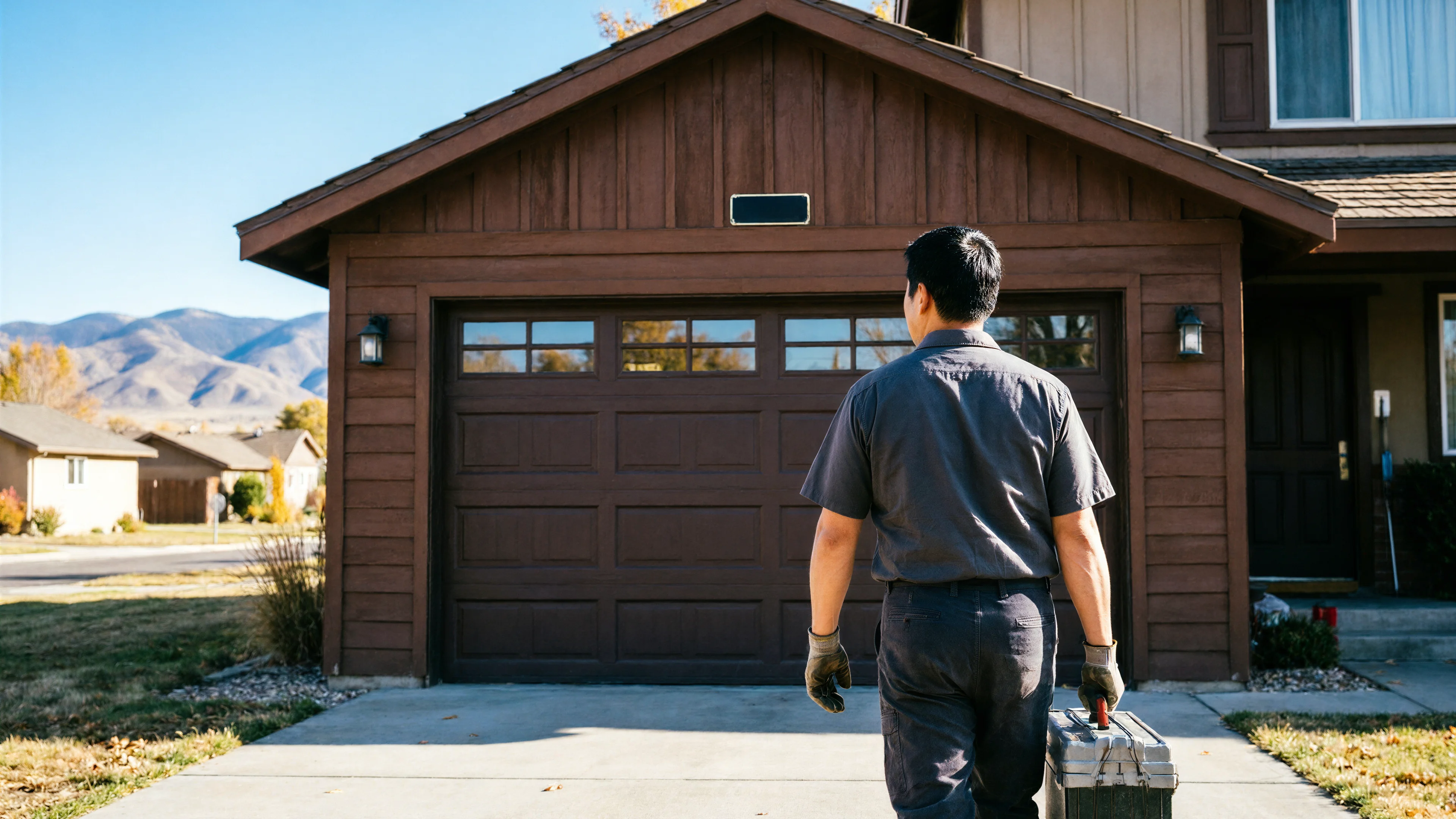
A technician walks toward a brown garage door on a house.

Questions

Common questions

How do I know if it's the spring and not the opener?

If the opener motor runs - you hear it humming - but the door doesn't move or only inches up, that's almost always a broken spring, not an opener problem. The opener isn't built to lift a door's full weight alone. If the motor doesn't run at all, that's a different issue, likely electrical or the opener itself.

Can I just replace one spring if I have two?

On a double torsion spring setup, we replace both even if only one broke. They're wound under matched tension and installed at the same time, so the surviving one is close behind on cycle life. Replacing just one usually means a second service call within months.

Why did my spring snap with no warning?

Torsion springs rarely show visible wear before they go. They fail at the end of their rated cycle life, which is a function of door use, not a slow fray you can spot. Houses in this area built in the 1980s and 90s are reaching that point in similar numbers now, which is why it can feel sudden.

Explore more

Explore More Services In Kennewick, WA

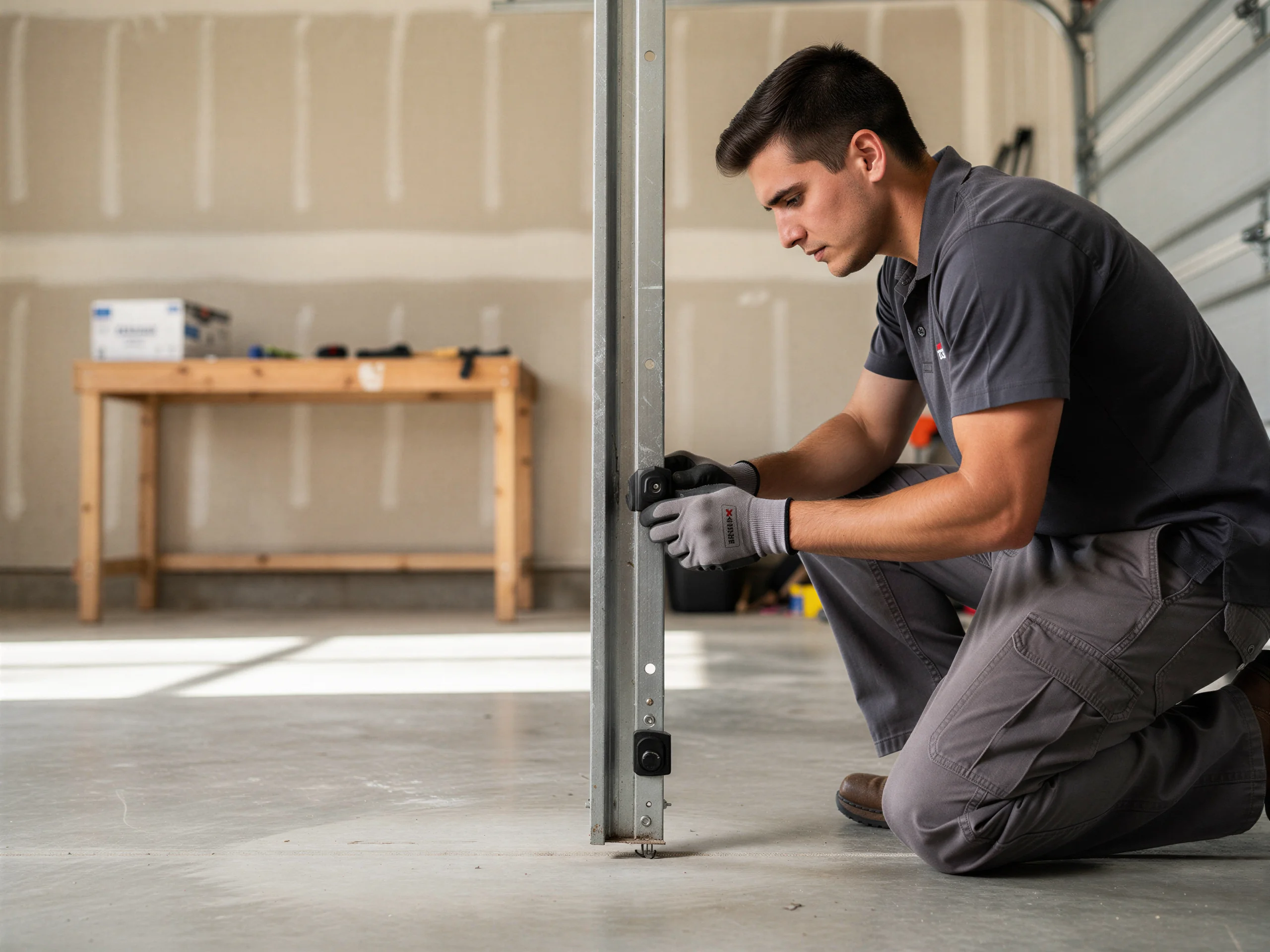
A technician in a gray shirt and gloves works on a garage door track.

Garage Door Service for Kennewick's 1980s and '90s Homes

Garage door service in Kennewick, WA for the 1980s and '90s-built houses that make up most of this area, where cold-moderate winters wear on original hardware. Learn more →
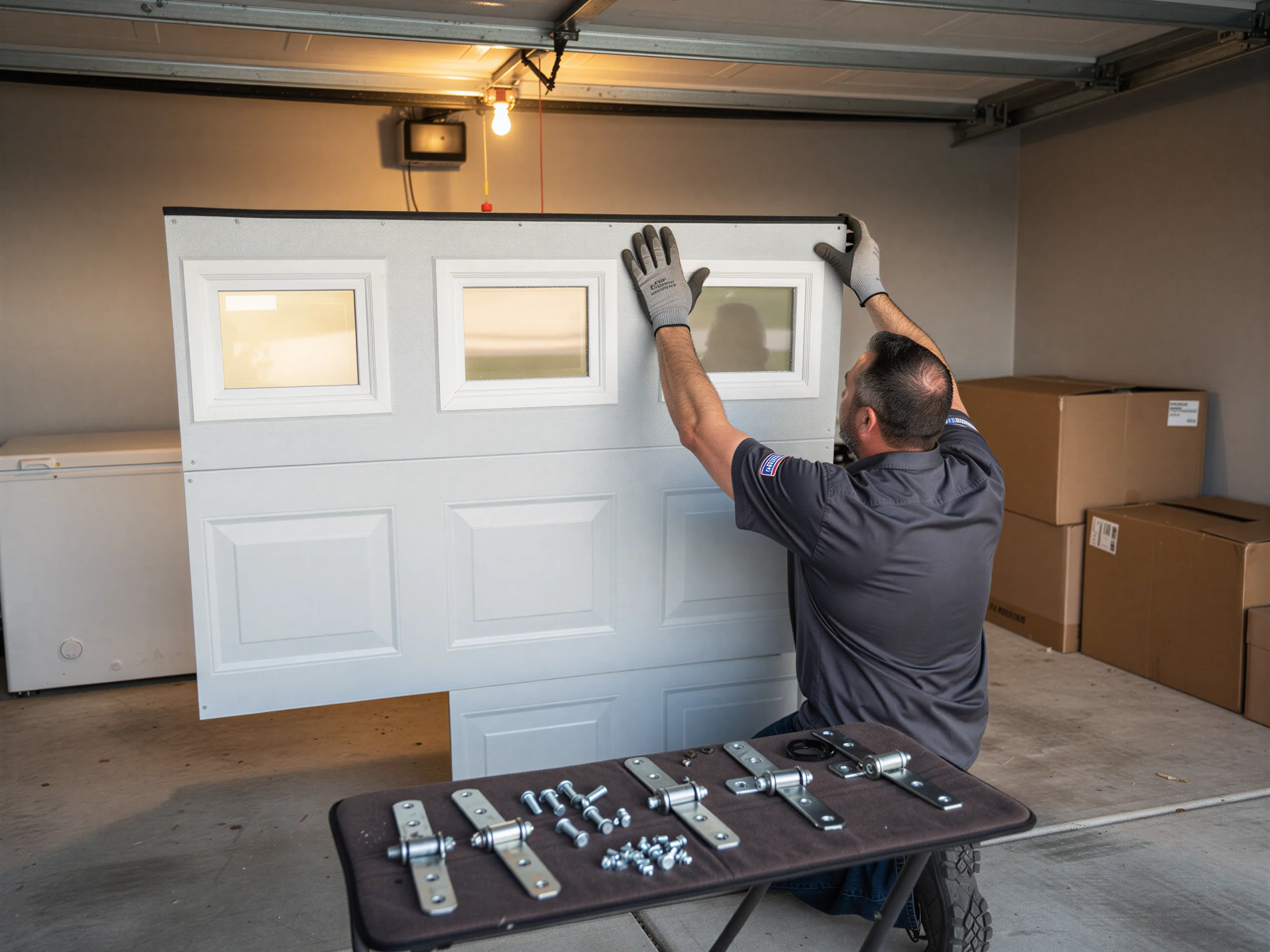
A technician installs a white garage door panel with windows.

Garage Door Panel Replacement in Kennewick

Replace a dented, cracked, or rotted garage door panel in Kennewick, WA. Learn more →
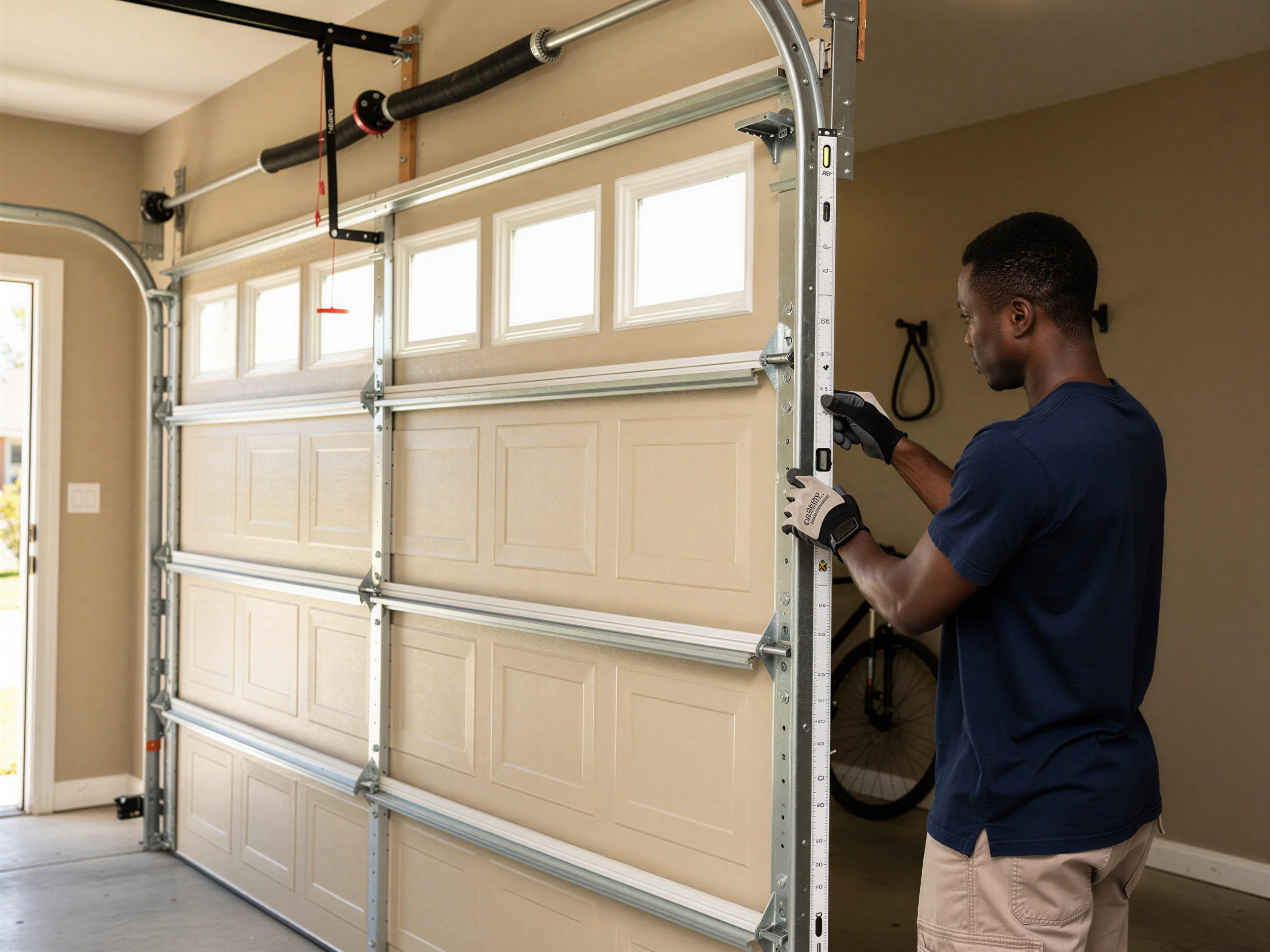
A technician uses a level on the track of a beige garage door.

Garage Door Repair in Kennewick, WA

Garage door repair for Kennewick homes built mostly in the 1980s and 90s, where original torsion springs and track hardware are now reaching the end of their life. Learn more →
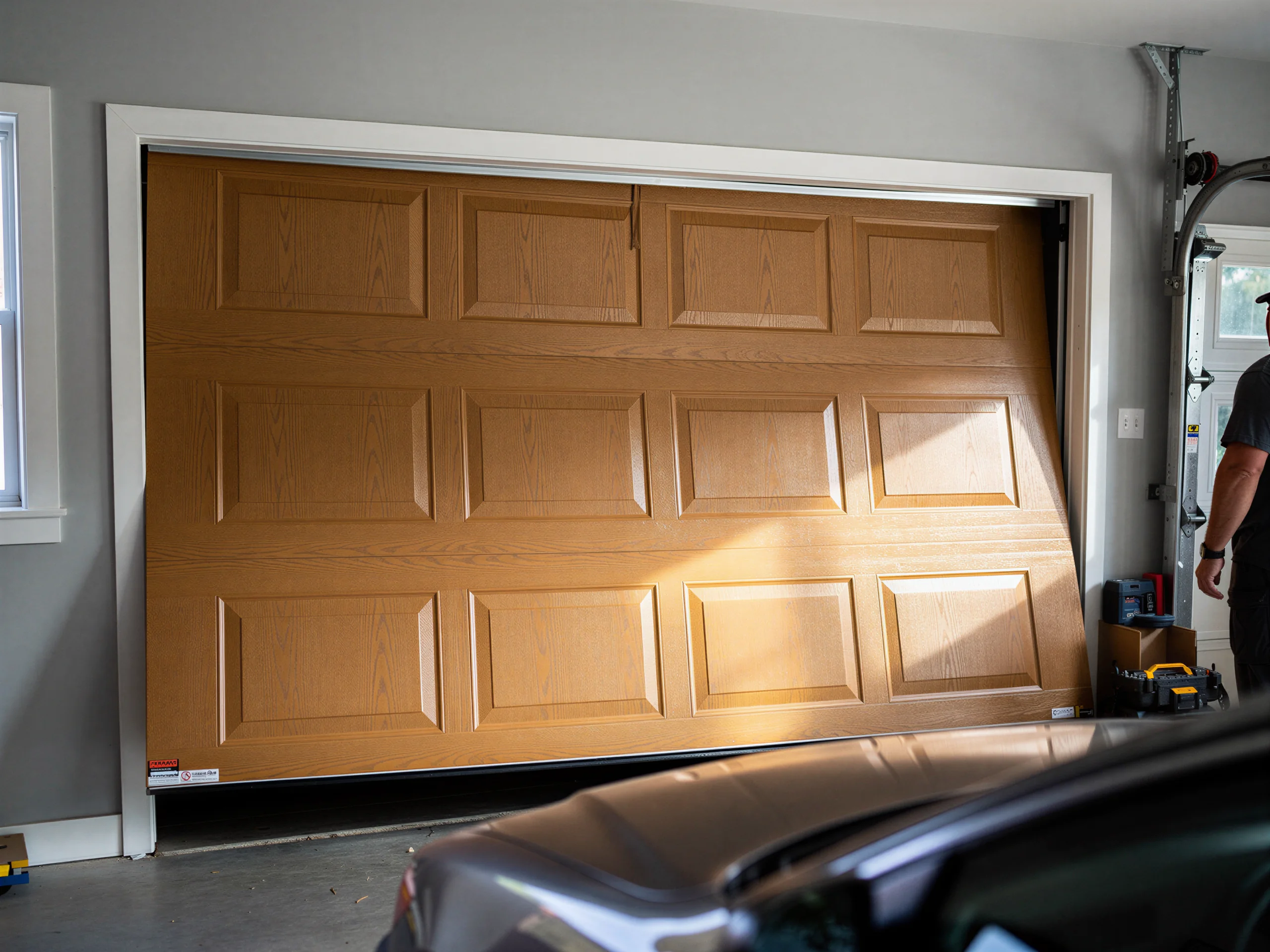
A brown garage door is crooked in its frame, with a technician standing nearby.

When a Garage Door Jumps the Track in Kennewick

Panels bent, cables slack, rollers jumped the track. Learn more →
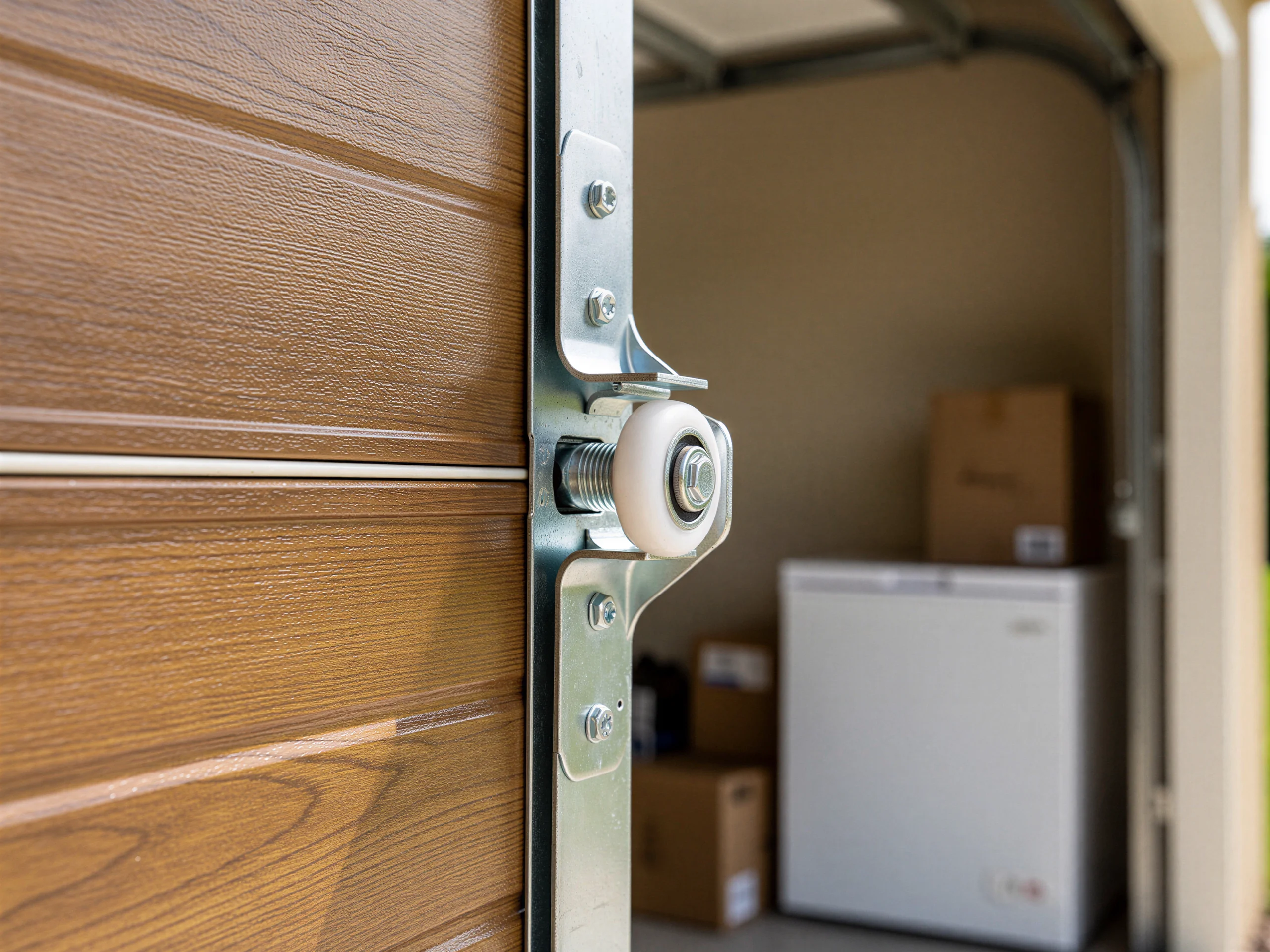
A brown wood-look garage door is open, showing a roller and track.

Worn Rollers on Kennewick-Area Garage Doors

Worn or cracked rollers are common on garage doors built across Kennewick in the 1980s and 90s. Learn more →
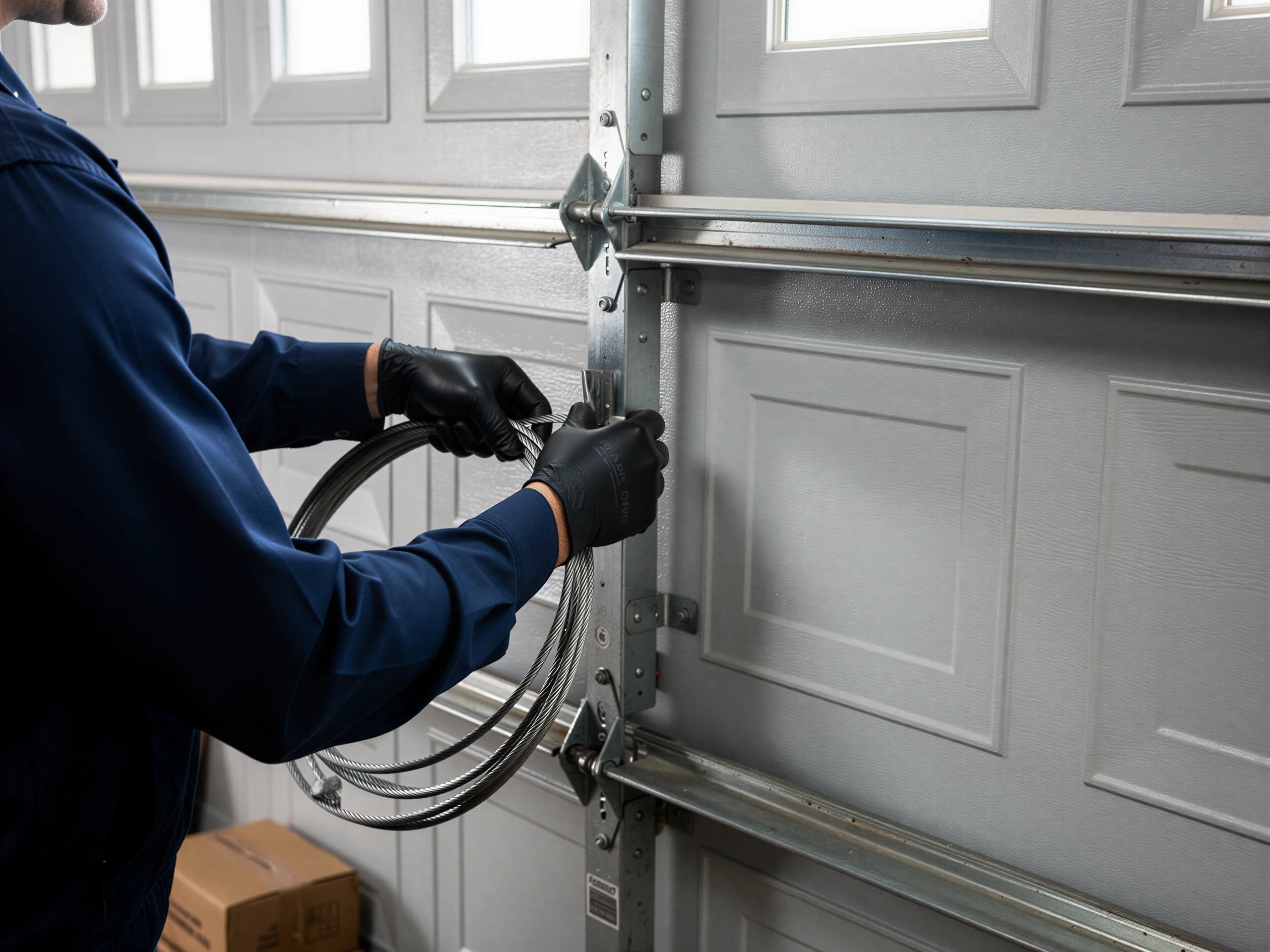
A technician in black gloves holds a coiled cable next to a white garage door.

Garage Door Cable Repair Across the Kennewick Area

Broken or frayed garage door cables on Kennewick-area homes built in the 1980s-90s. Learn more →

Ready when you are

Need a garage door sorted in Kennewick?

Kennewick Garage Door Pros repairs and installs garage doors, springs and openers in Kennewick, WA and the surrounding area.

Call NowGet a quote