
Stem length stock
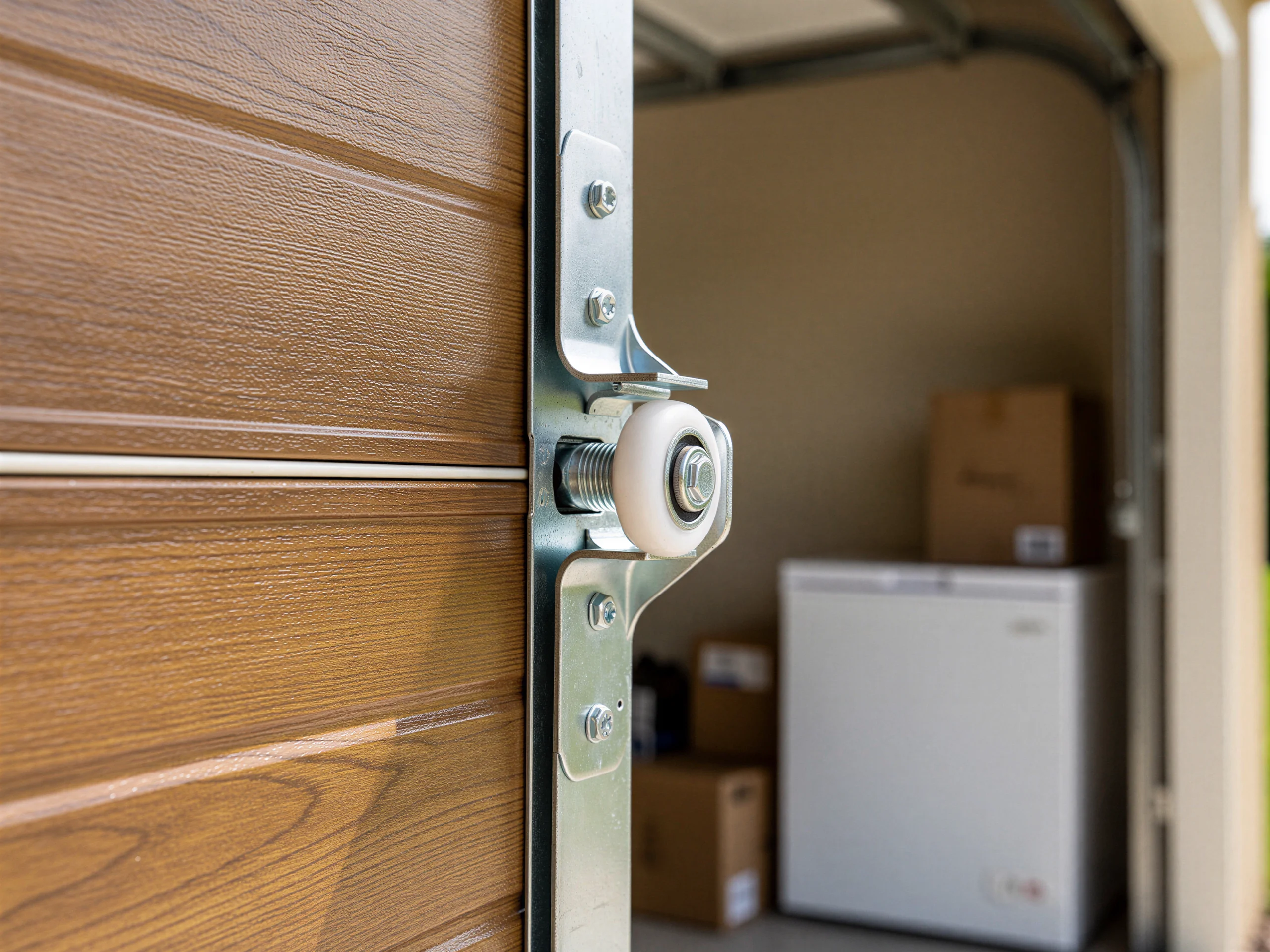
We stock the stem lengths and roller diameters that match that generation of builder-grade doors, along with the track brackets that often need a light bend-back when a roller has been riding rough for a while.
West Richland, Kennewick
West Richland's housing dates mostly to 2000, so original steel rollers are nearing 25 years old. We replace worn rollers from our Kennewick shop, 13 miles out.
On the truck
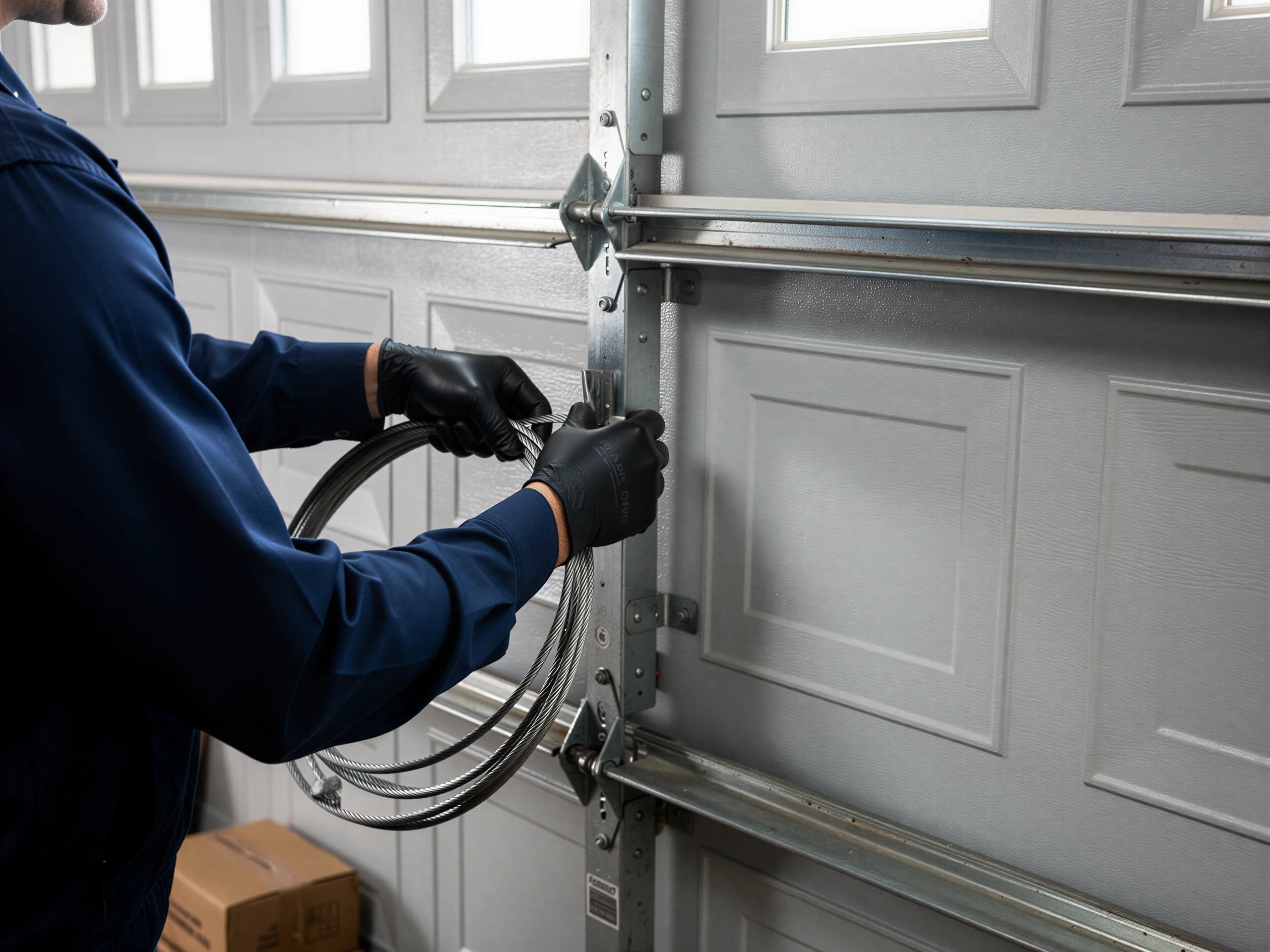
We carry three roller grades: stamped steel on a steel stem, nylon on a steel stem, and sealed ball-bearing nylon. Most doors in West Richland went up around the year 2000, which is the window builders here used stamped steel rollers as standard equipment - the cheapest part on the door, and usually the first to wear out.
We stock the stem lengths and roller diameters that match that generation of builder-grade doors, along with the track brackets that often need a light bend-back when a roller has been riding rough for a while.
If your door is older or newer than that typical build year, we bring options for both, but the steel-stem roller is what we load first for a West Richland call.
We don't carry every obscure roller size on the truck - some specialty doors use a stem diameter we have to order, and we'll tell you that on the spot rather than force a fit that won't hold up.
DIY or pro
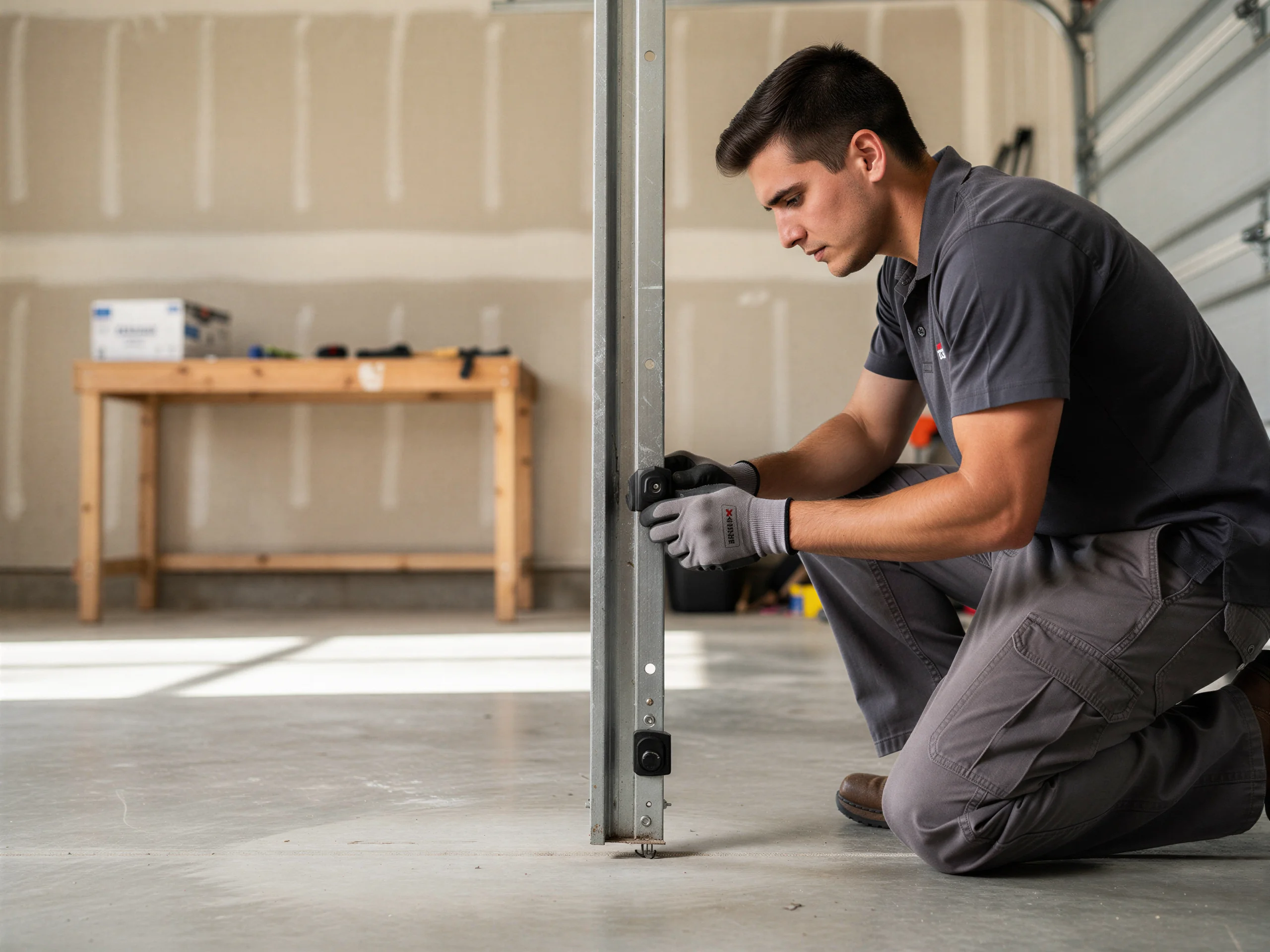
Rollers are one of the few garage door parts a careful homeowner can swap without real danger, as long as you stay away from the bottom bracket on a door under spring tension. Top rollers, the ones that ride in the horizontal track, are the safer ones to pull one at a time while the door is down and the opener is unplugged. Bottom rollers sit in brackets holding cable tension, and that's where we'd rather you call than improvise. The honest limit here: if more than two or three rollers on one side are shot, the track is probably bent too, and bending it back straight without the right tools usually makes it worse, not better. That's a job where the labor is in the alignment, not the part.
Warning signs
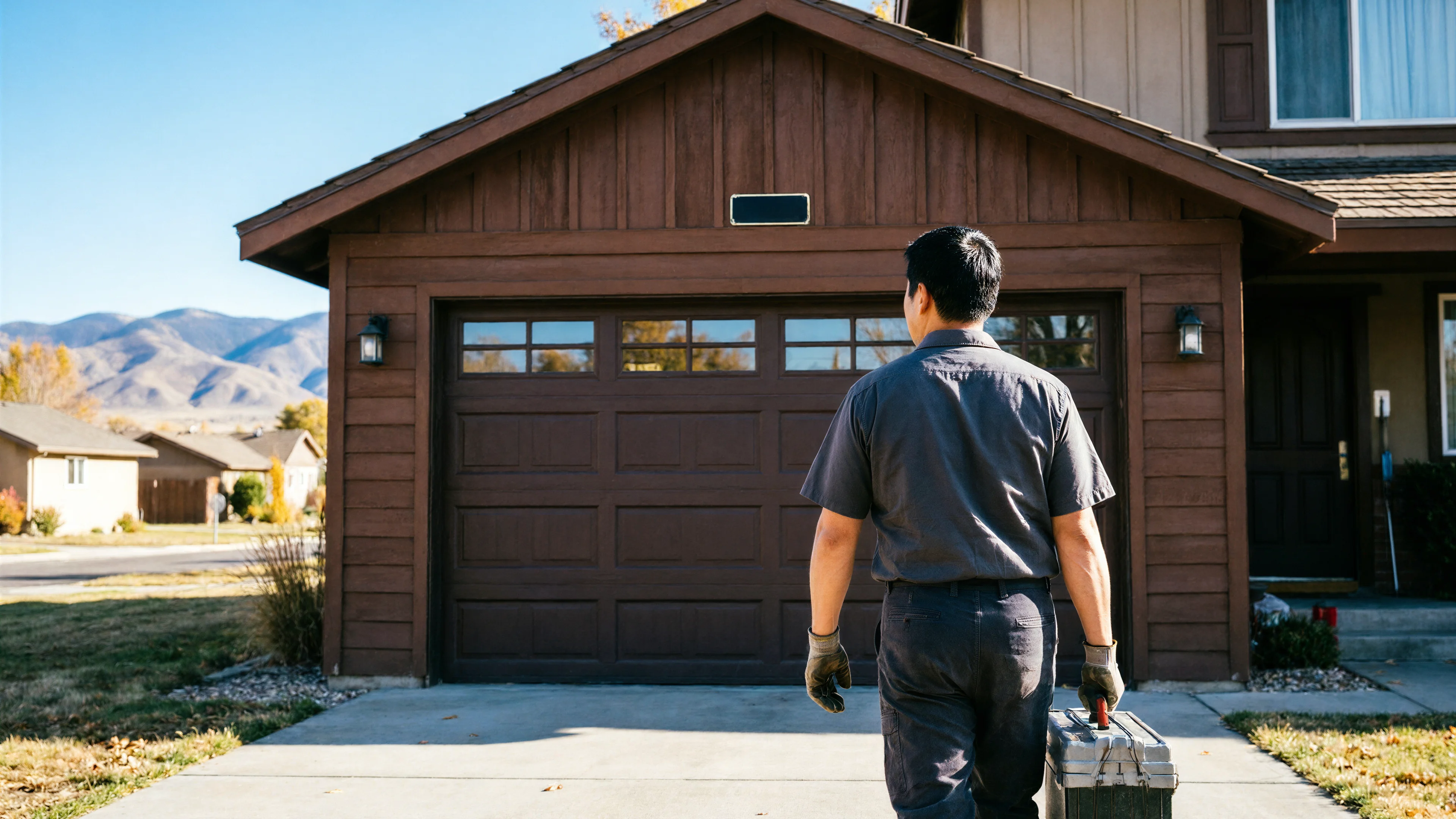
The first sign is usually sound - a grinding or rumbling as the door travels, louder on cold mornings before the grease has worked through.
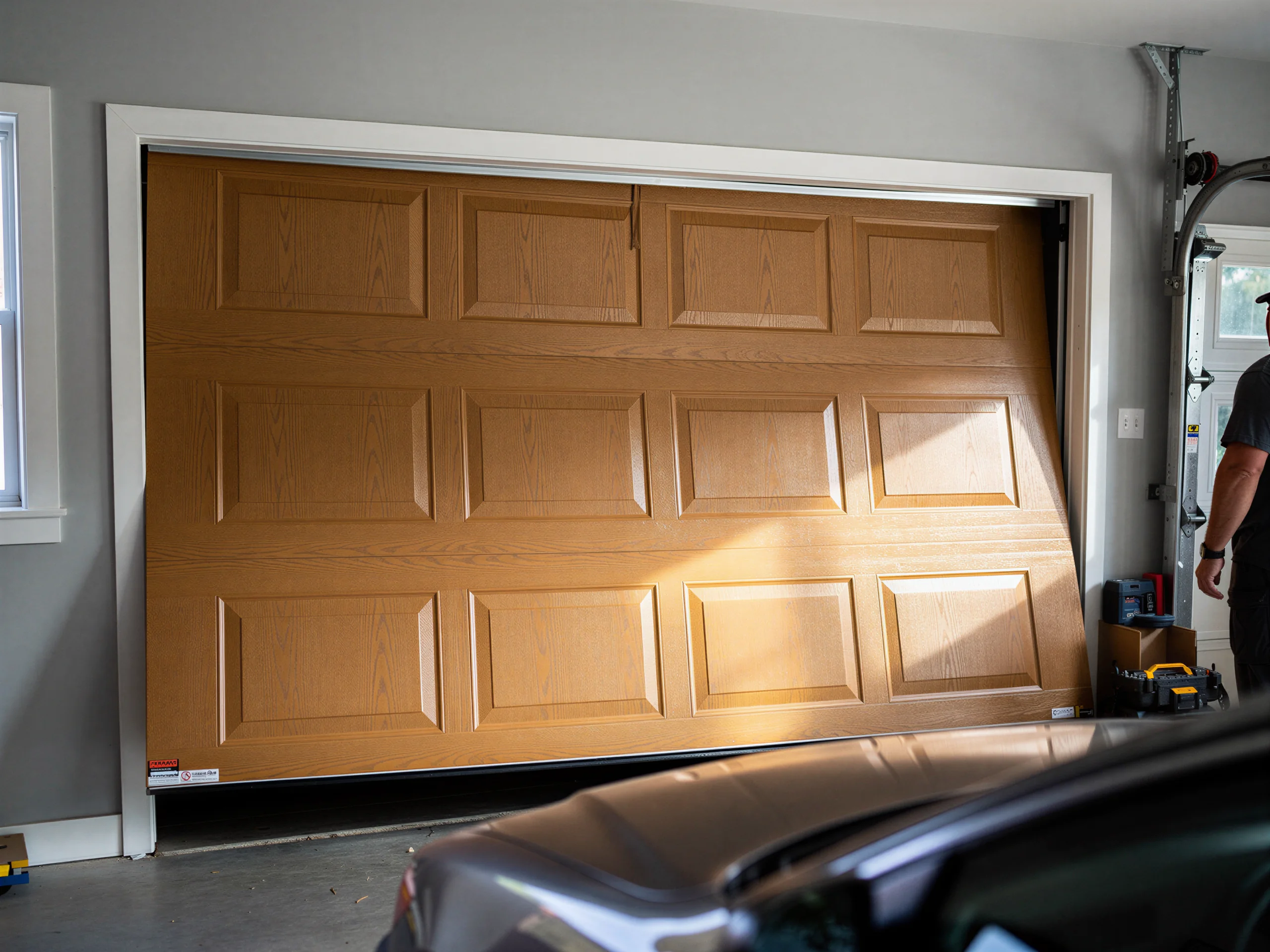
Next comes a visible jump or hop where the roller skips in the track instead of rolling smooth. Left alone, a worn roller starts chewing a groove into the track itself, and at that point you're paying for track, not just rollers.
Some owners notice the door hesitating partway up, which is often a roller that's seized on its stem and dragging rather than turning.
Local causes
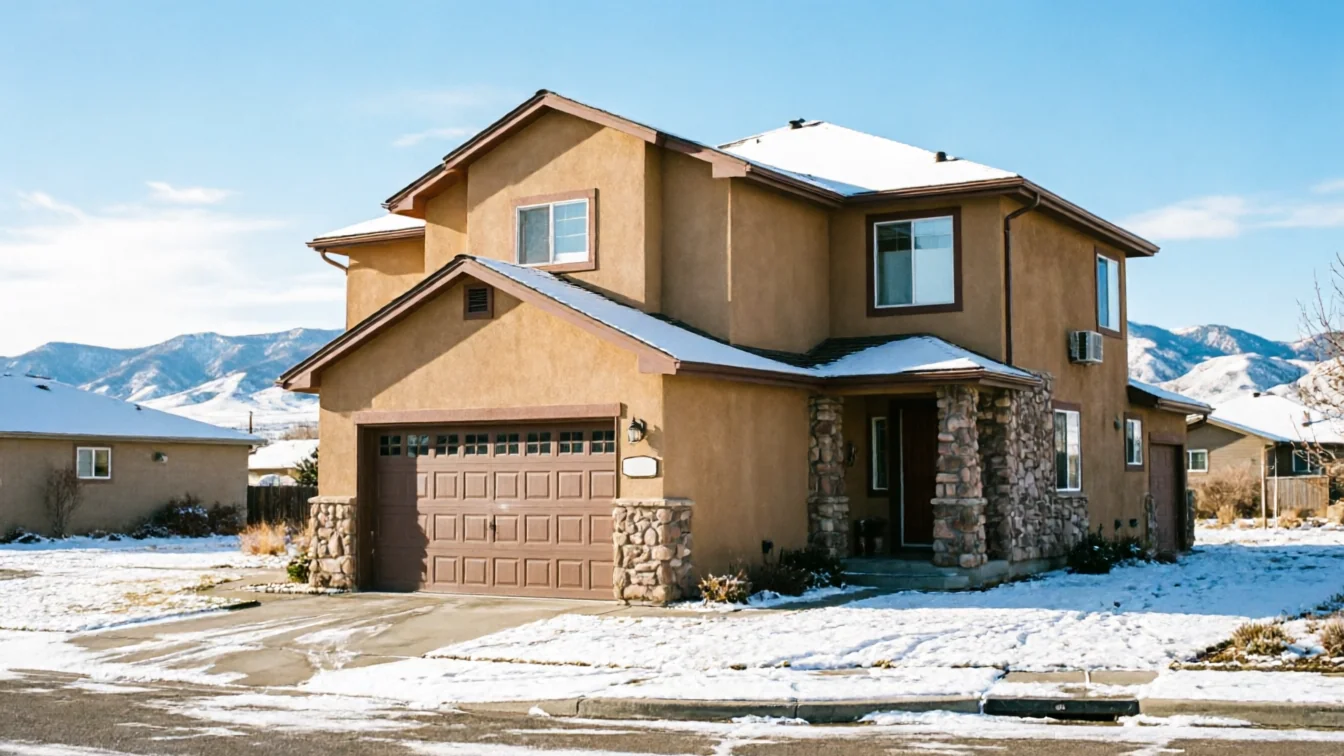
Most houses in West Richland went up around 2000, which means original rollers are factory-grade steel stems now closing in on twenty-five years of use - long past what that grade of roller is built to last. This area sits in a cold moderate climate band, and cold winters push the grease on steel rollers to stiffen before it's warmed back up by midday. A quarter-century of that stiffen-and-loosen cycle is what turns a quiet door into a grinding one around here, more than any single storm or event. With roughly 5,722 households in the area, the roller failures we see line up with the same single building boom rather than a mix of eras - it's less "random wear" and more "this is what happens to that generation of part on that schedule."
Pricing
We don't have a fixed roller price to quote here in writing, because the job varies with how many rollers are worn, whether the track needs straightening, and which roller grade you choose.
What we can tell you is the general shape of the decision: steel-stem rollers are the cheapest to replace but tend to repeat the same failure in another decade or so, while sealed nylon rollers cost more up front and run quieter with less maintenance.
A $118,056 median household income here is part of why most owners we talk to in West Richland go with the sealed nylon upgrade instead of patching with steel again - it's a one-time decision that doesn't come back around. We'll give you an exact number once we've looked at the door, not before.
Booking
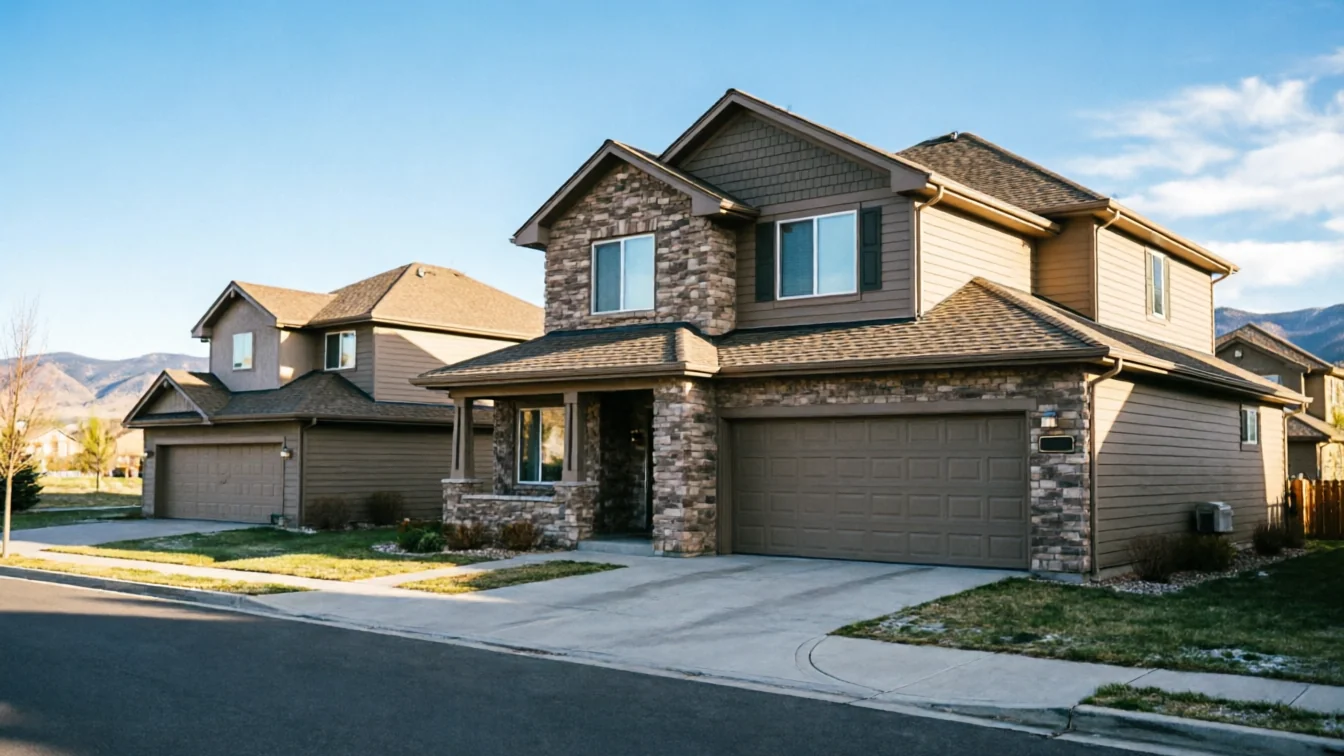
West Richland sits about 13 miles from our Kennewick shop, which is why roller jobs here get scheduled rather than run same-day on a drop-in basis. We batch West Richland calls when we can, so the drive time doesn't get tacked onto your bill as a separate charge. If the noise or jump you're hearing points to something past the rollers themselves - a bent track section, a cracked panel, a spring that's past its cycle count - our general repair page covers that broader diagnosis. For the roller job specifically, or to compare what this looks like on the Kennewick side of the service area, see our roller replacement page for Kennewick.
Questions
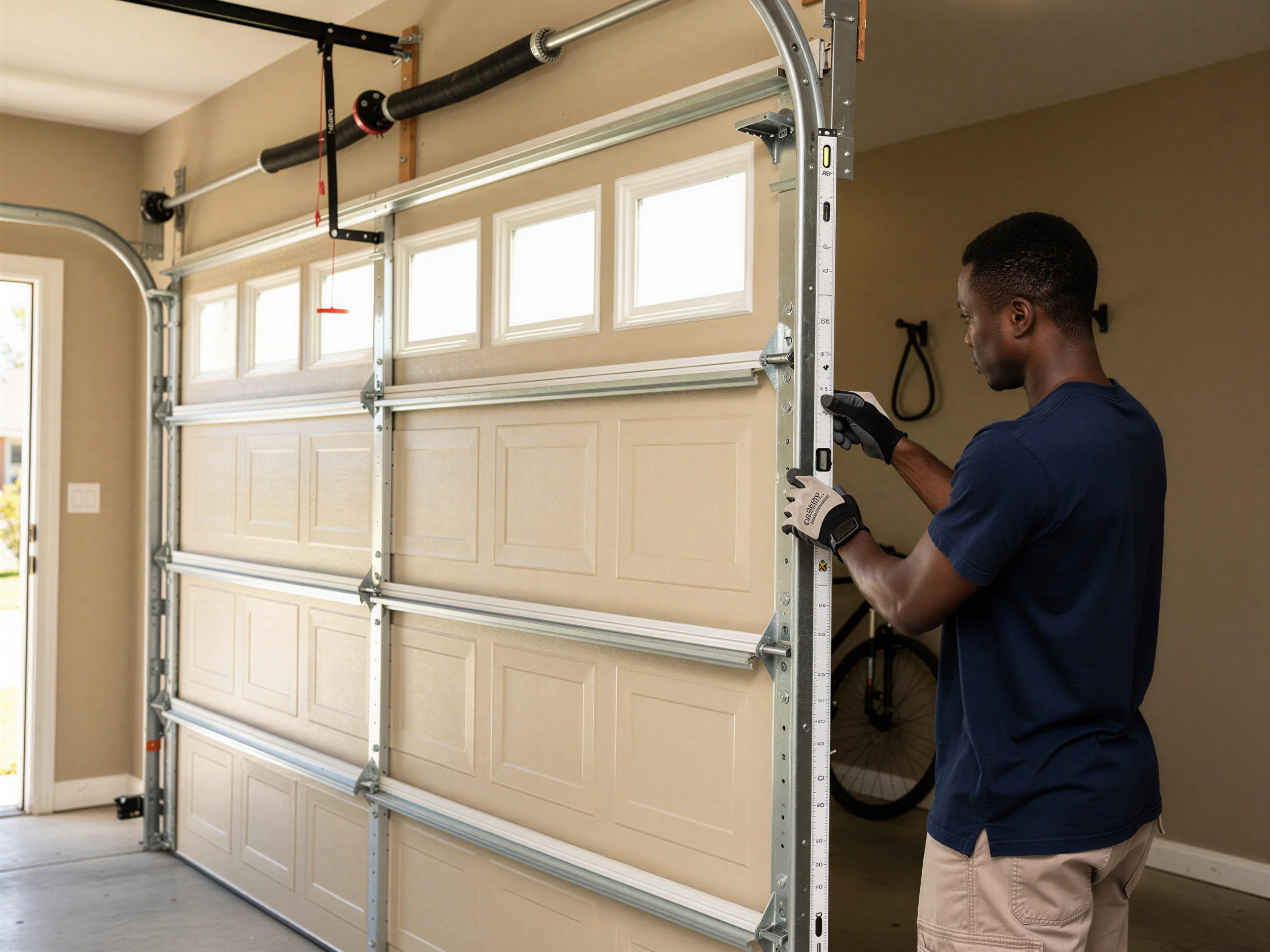
Most doors here have ten rollers total. If the door is original to a 2000-era build and one roller has failed, the others on that run are usually close behind, so we'll check the whole set and tell you honestly whether you need two or all ten - we won't sell you ten if two will hold.
Usually, yes, if the noise is roller wear and the track underneath hasn't been chewed into a groove yet. If the track is already damaged, you'll still hear some noise after the roller swap, and we'll flag that separately rather than let you think the job didn't work.
For a door this close to 25 years old, yes in most cases - sealed nylon rollers run quieter, handle the cold-stiffen cycle better, and don't need the periodic lubrication steel rollers do. Steel is the cheaper patch, but you're likely doing this job again.
Explore more
Ready when you are
Kennewick Garage Door Pros repairs and installs garage doors, springs and openers in Kennewick, WA and the surrounding area.