
Twenty-year spring cycles
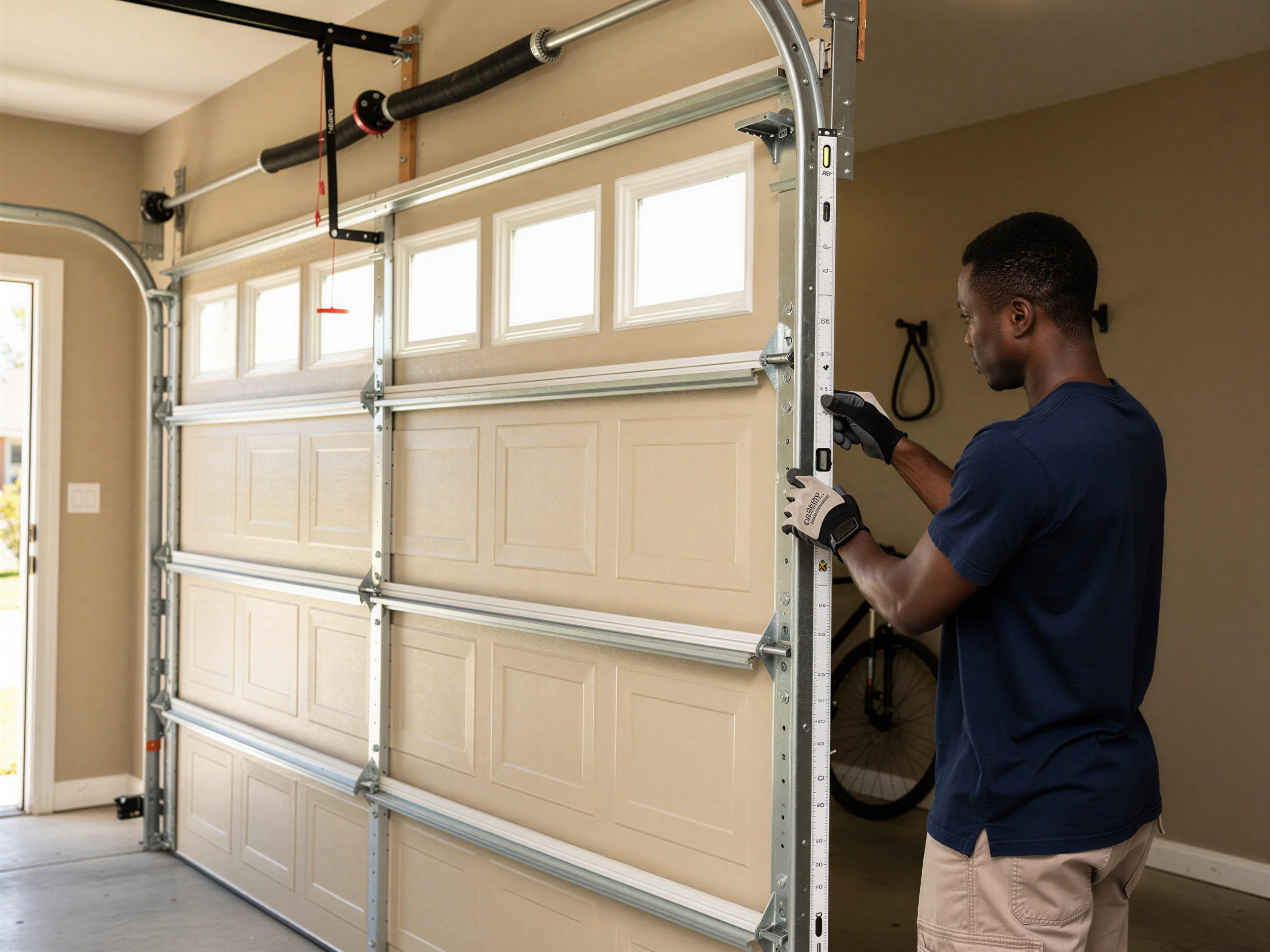
Twenty-plus years on a torsion spring is near the end of its rated cycle count even if nothing has broken yet, and the chain-drive openers from that era are starting to strip gears or lose their logic boards.
Pasco, Kennewick
Pasco homes built around 2000 still run original openers and torsion springs from the build year. We drive the 5 miles from Kennewick to fix what's wearing out now.
On the truck
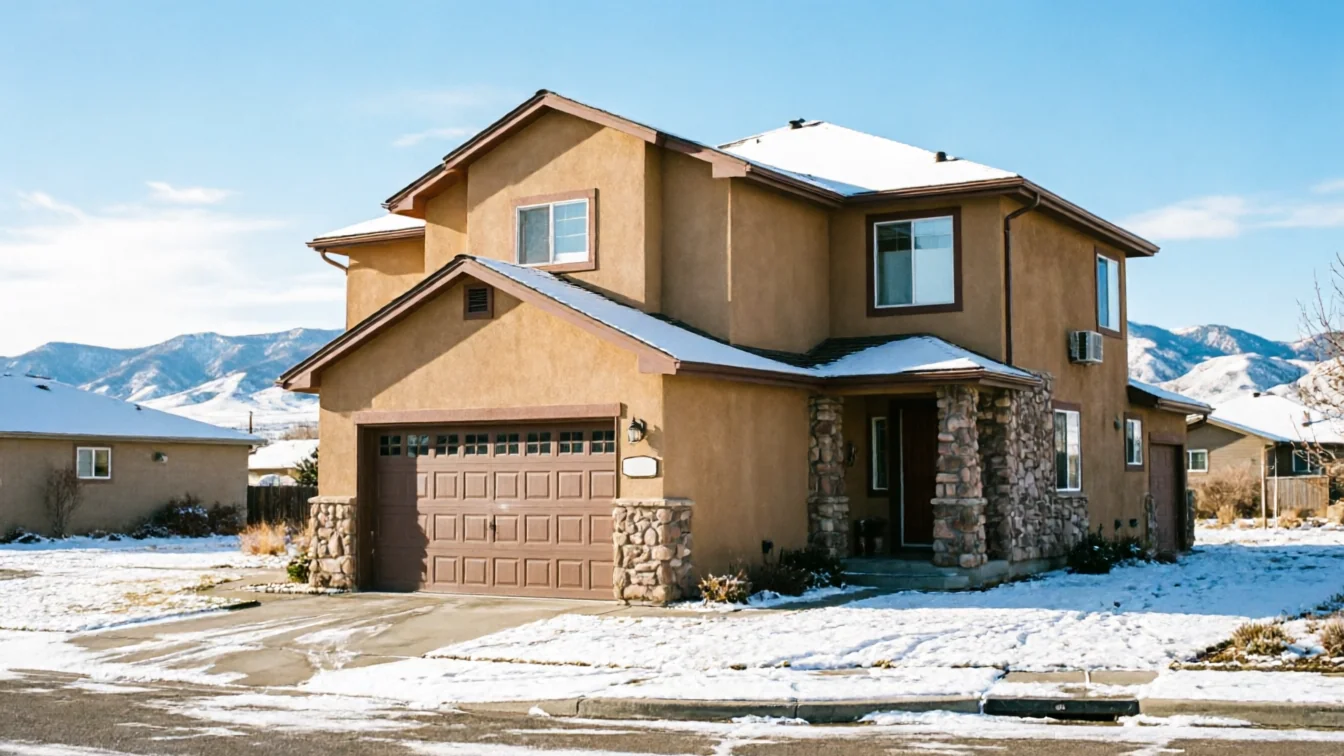
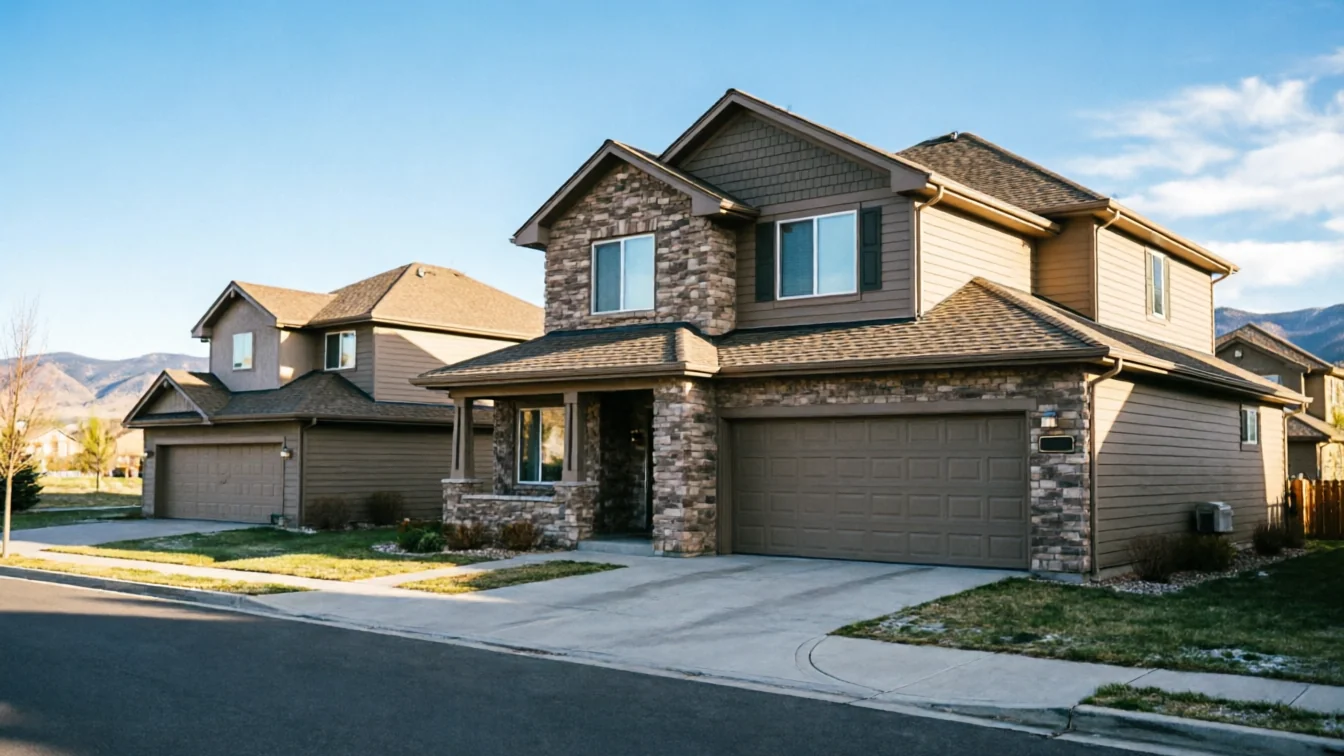
Most houses on this side of Pasco went up around 2000, which means a lot of garage doors out here are still running the opener and springs they shipped with.
Twenty-plus years on a torsion spring is near the end of its rated cycle count even if nothing has broken yet, and the chain-drive openers from that era are starting to strip gears or lose their logic boards.
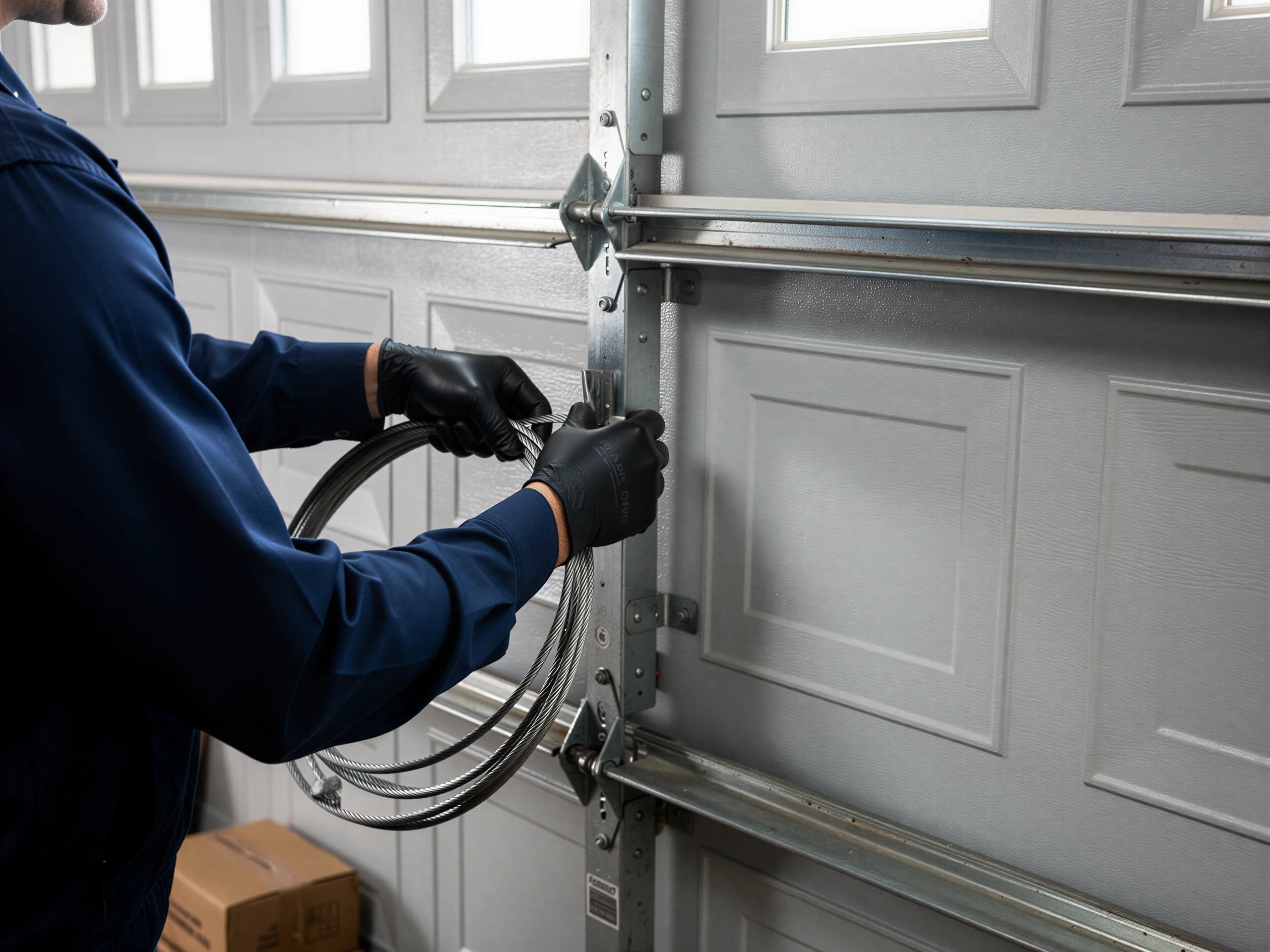
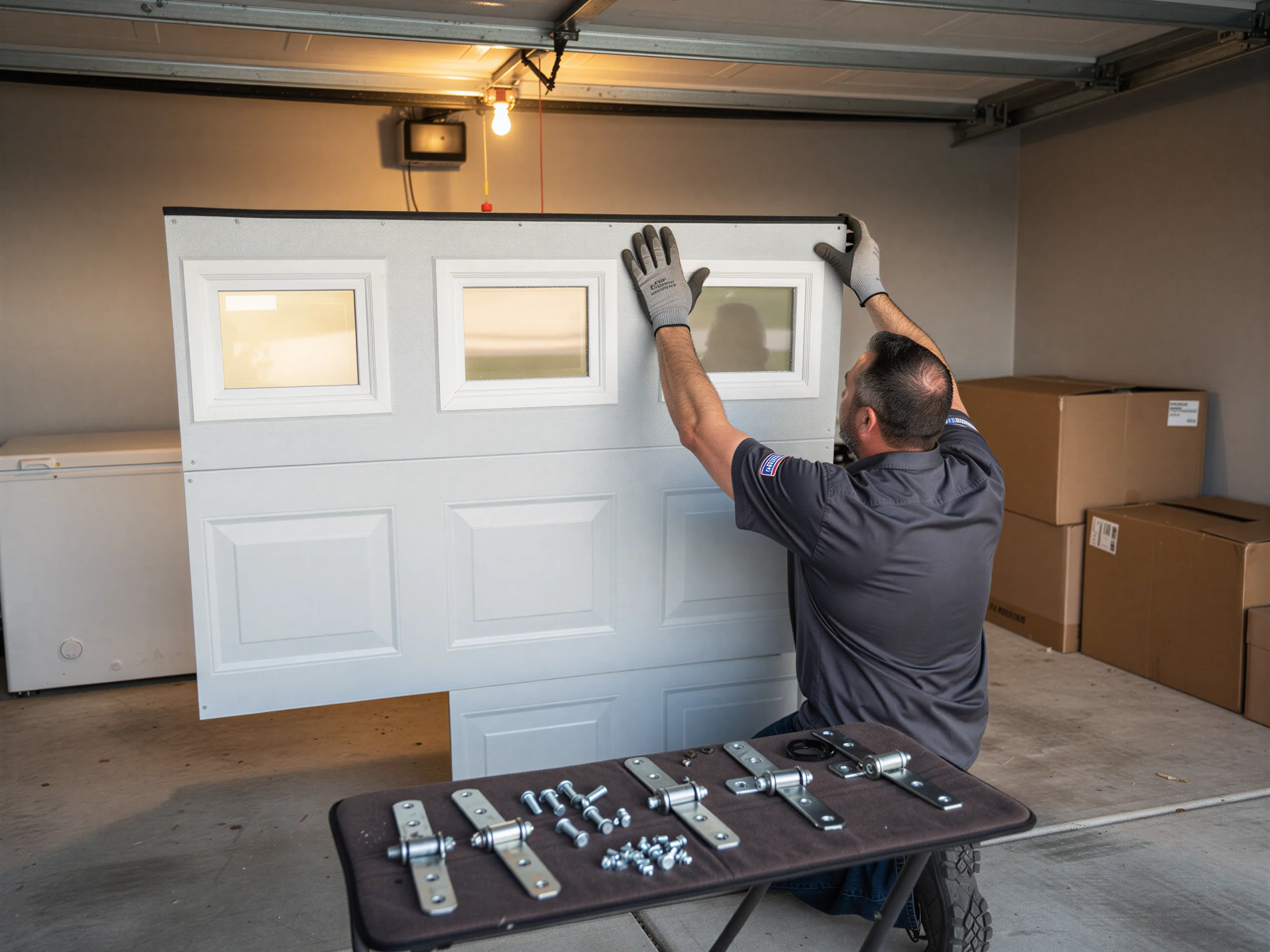
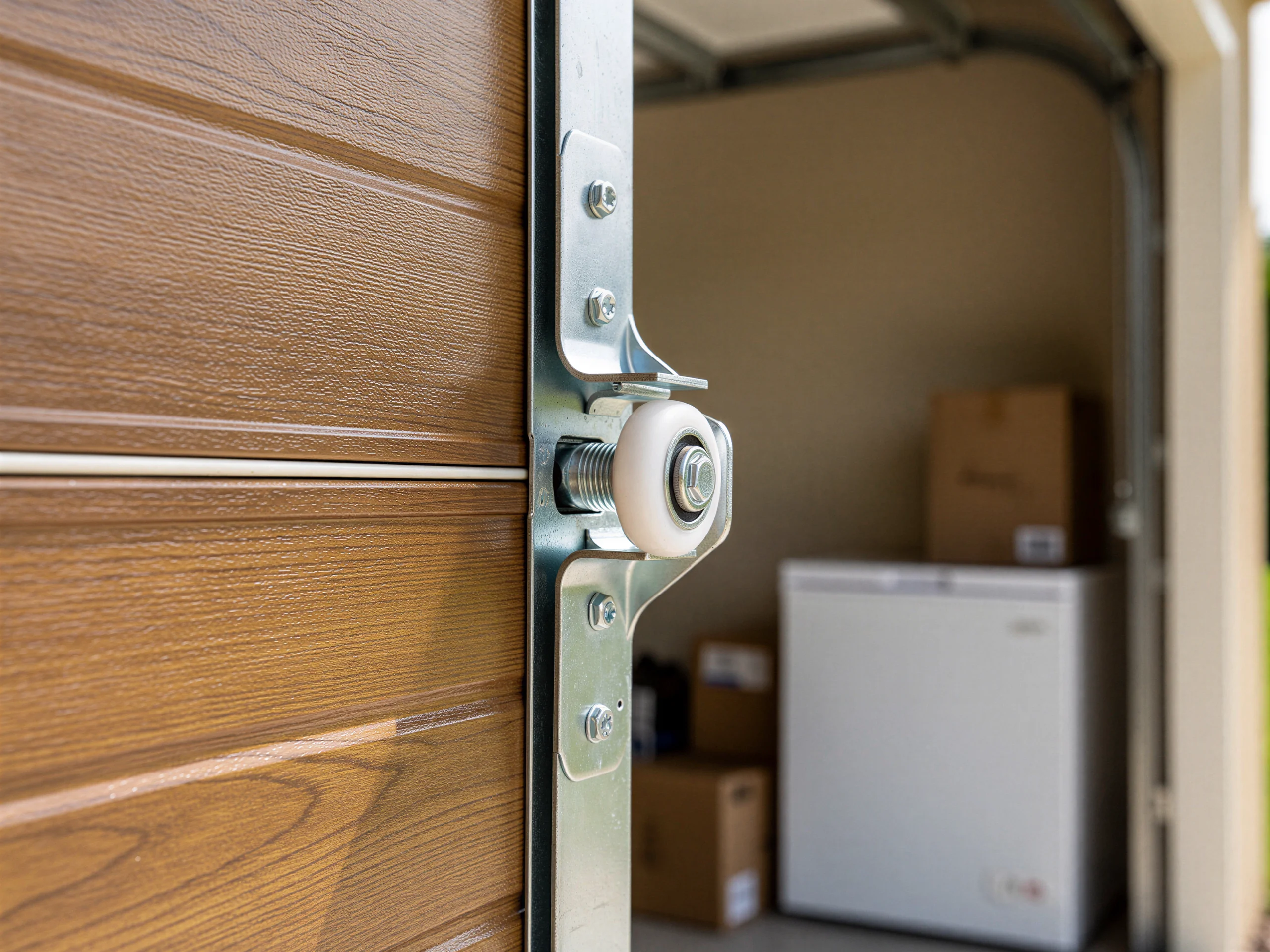
We carry torsion springs in the sizes that match standard double and single door openings from that build period, plus the drive gear kits and circuit boards for the opener brands that were common in new construction then. We also stock rollers and standard-width track sections, since original steel rollers from 2000-era installs are usually down to bare bearings by now.
What we don't carry on every run is a replacement for every obscure opener model - if your garage still has a wall-mounted unit from a less common brand, we may need to order the board instead of swapping it same-visit. We'll tell you that upfront rather than guess.
Local causes
A door's hardware doesn't fail because it's old in the abstract - it fails because it's hit its cycle count, and a house built around 2000 has had roughly the same number of open-close cycles as every other house from that same decade. Add the cold-moderate winters this area gets, where temperature swings make steel springs and cables contract and expand enough to accelerate fatigue, and you get a predictable failure pattern: springs going in the first hard cold snap of the season, openers that worked fine in summer suddenly grinding in January. With close to 24,000 households in this part of the service area, a big share of them are hitting that same 20-to-25-year mark on original hardware within a few years of each other. That's not a coincidence tied to one street - it's the math of a neighborhood that got built in a tight window.
DIY or pro
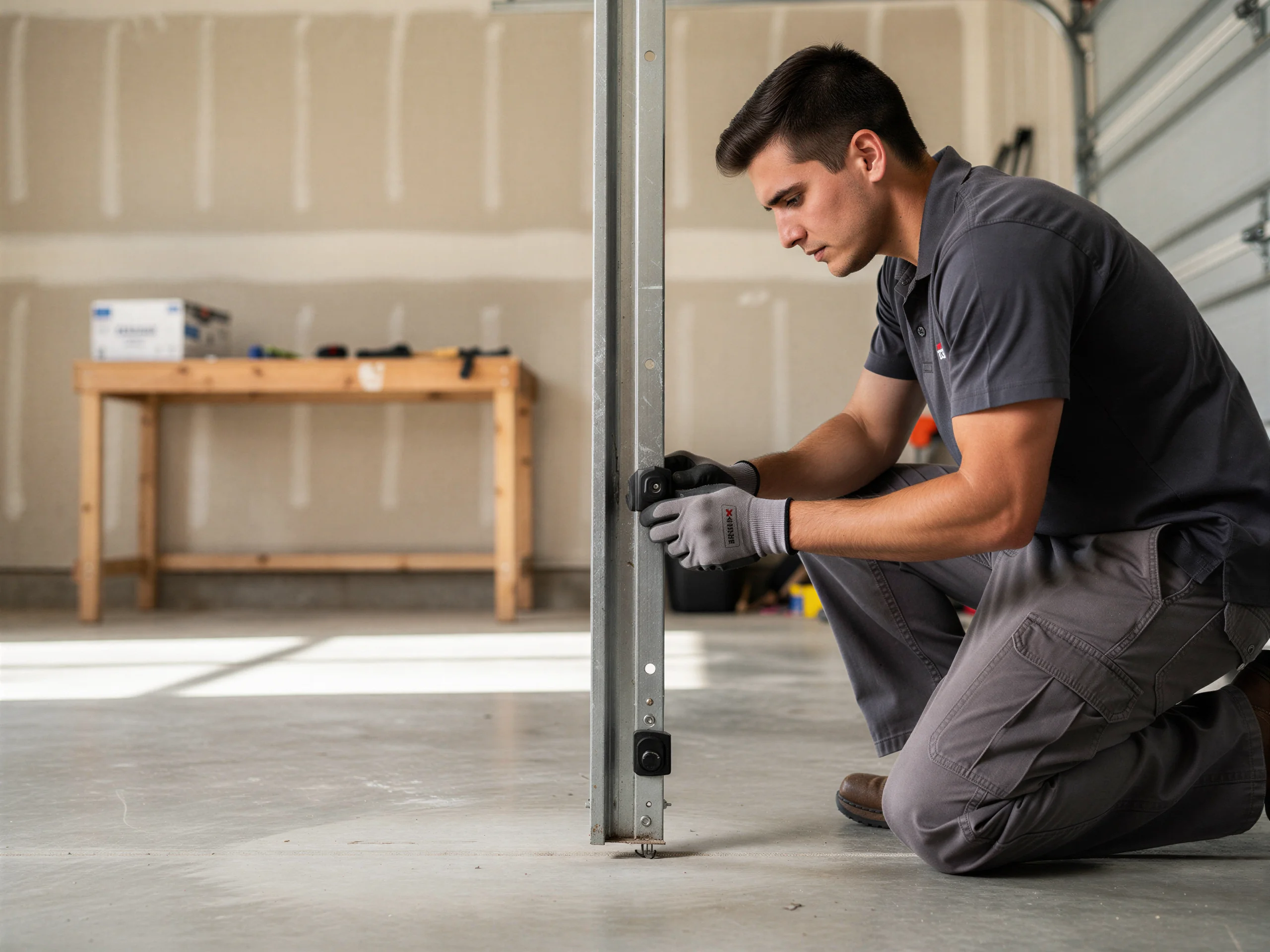
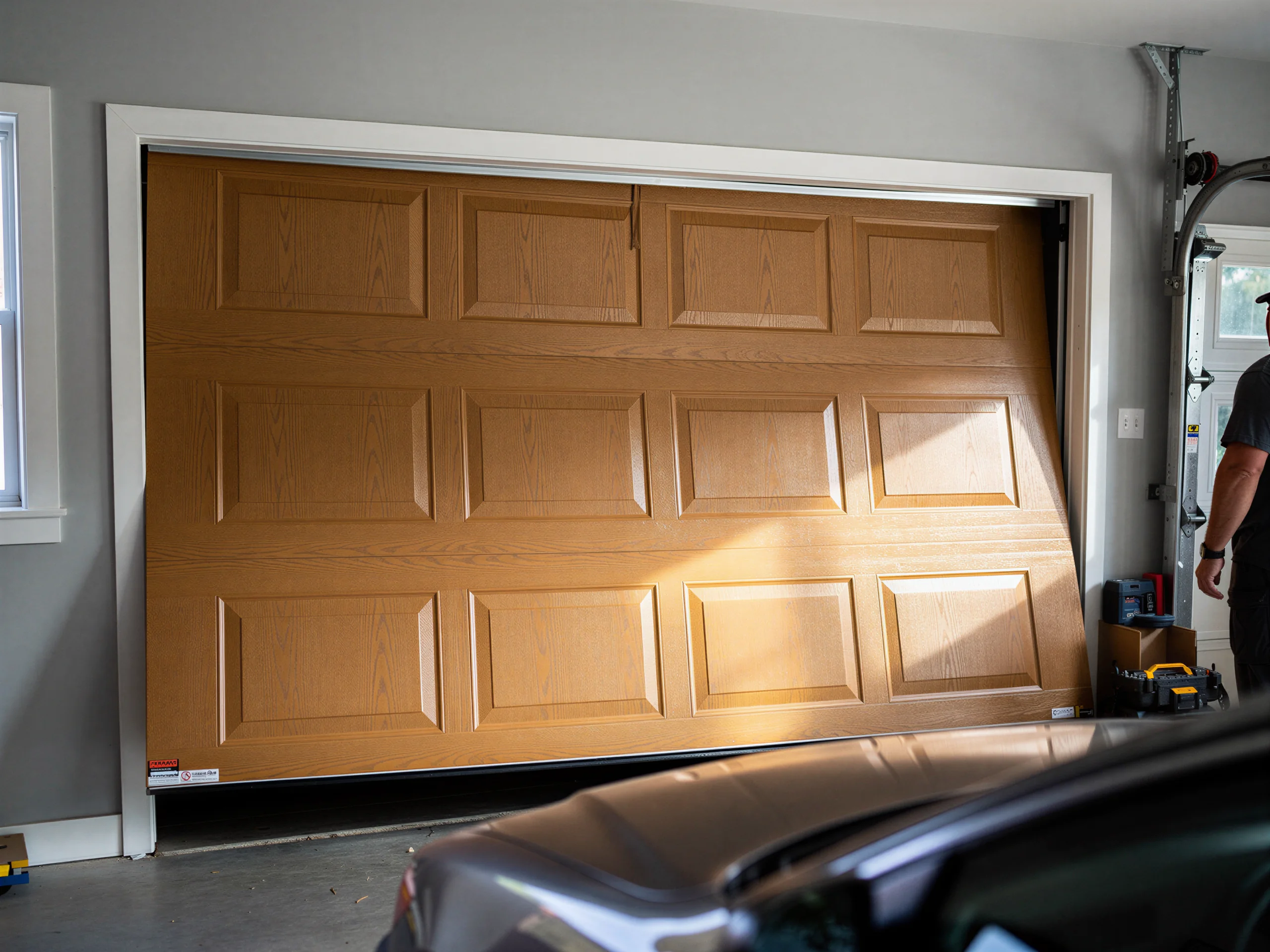
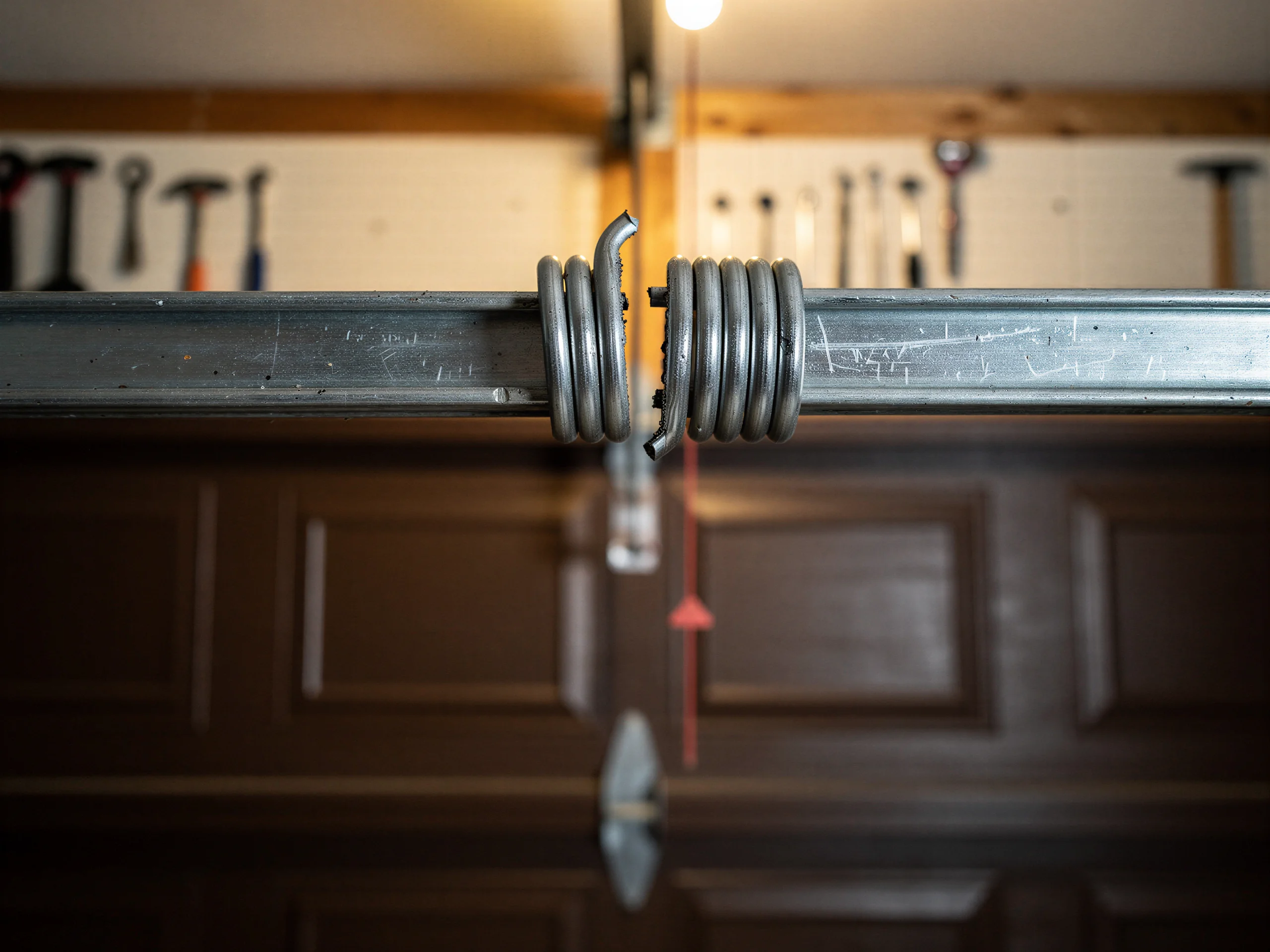
Lubricating hinges and rollers with a garage-door-specific spray, checking that the photo-eye sensors near the floor are aligned, and tightening loose bolts on the track brackets are all fine to do yourself and worth doing twice a year given the winter swings here. What's not worth doing yourself is anything involving the torsion spring above the door - that spring is wound under enough tension to cause real injury, and on a door this age the spring is likely original, which means it's also more brittle than a newer one and more likely to let go under load. If the door is heavy to lift by hand with the opener disconnected, or if you hear a loud bang and the door won't move, that's a spring job. Call for that one rather than working it out with a ladder and a wrench.
Booking
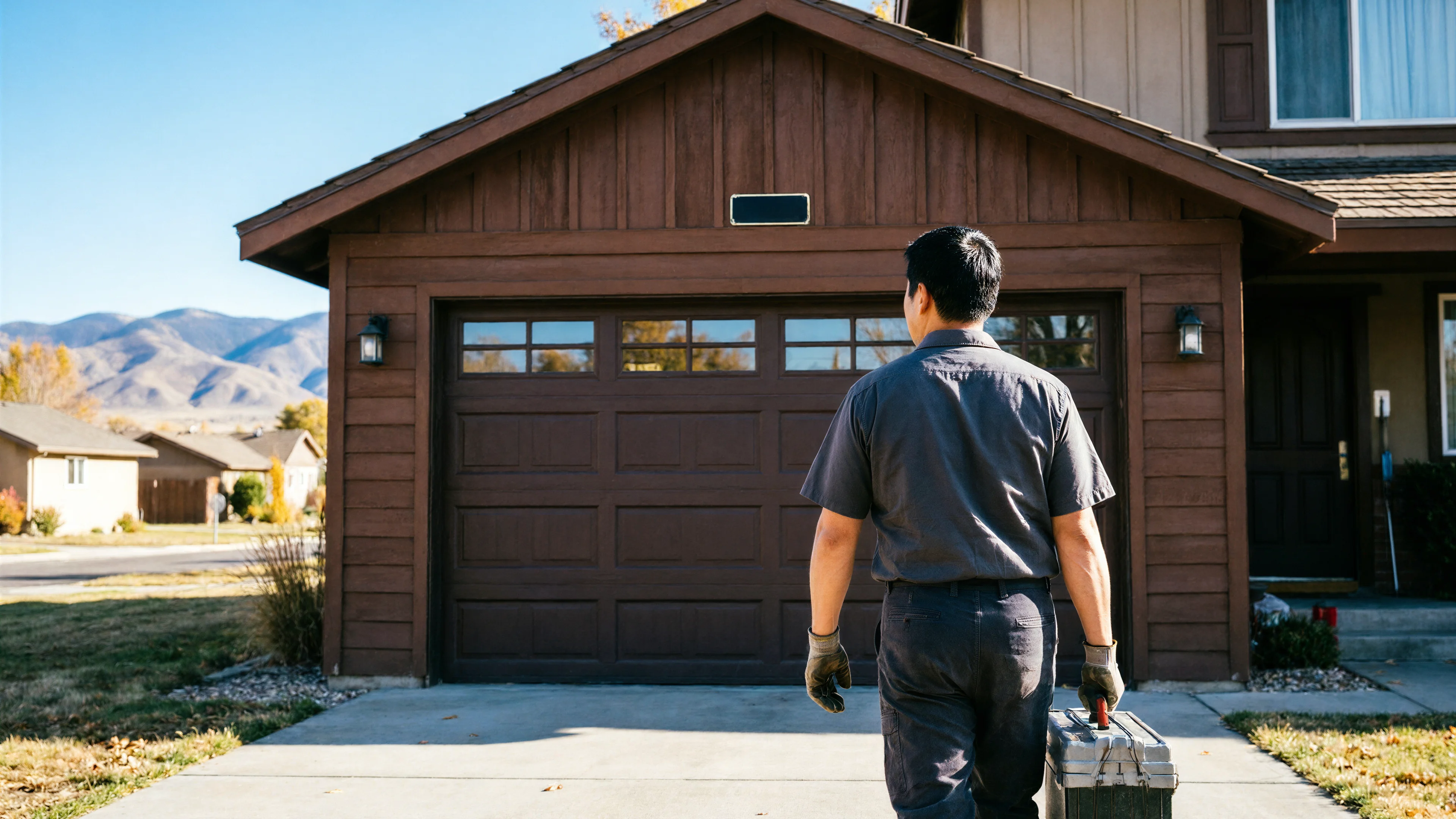
We're based in Kennewick and drive the 5 miles into Pasco for repair calls, so we're not a local walk-in shop - we schedule the visit, bring what the job needs based on what you tell us over the phone, and show up with the truck stocked for houses from this area's build era.
Median household income here runs around $81,130, which is part of why we try to give a straight repair-or-replace answer rather than defaulting to a new door sale.
Tell us the age of the house and what the door is doing (won't open, makes noise, opener runs but door doesn't move) and we'll have a good guess at what's on the truck before we arrive.
Watch-outs
Not every job is a straightforward spring swap. Houses from this build era sometimes have openers that are long out of production, and the control board or the specific remote-receiver frequency isn't something every supplier still makes - that can mean ordering a part and a second trip instead of a one-visit fix. We'll also tell you when a repair isn't worth doing: if the door itself is the original steel panel and it's rusted or dented badly enough that the track keeps binding, patching the opener or spring won't fix the underlying problem, and we'd rather say that than keep charging you for parts that won't hold. On a door this age, it's also common for more than one thing to be worn at once - a dying spring and a weak opener capacitor, say - so the first visit sometimes turns into a longer conversation about what to fix now versus what to plan for.
Questions
If your house was built around 2000 and the opener hasn't been replaced, it's likely at or past the end of its practical lifespan. We can often fix a dead capacitor or a worn gear kit, but if the circuit board is shot and the model is long discontinued, we'll tell you straight whether it's cheaper to repair or replace.
Cold-moderate winter swings put more stress-cycling strain on steel torsion springs than mild weather does, and springs installed when the house was built have usually used up most of their rated life by the time they're 20-plus years old. Winter is often just when the last cycle happens.
No - we're based in Kennewick, about 5 miles away, and we schedule and drive out for Pasco repair calls. We stock the truck ahead of time based on the age of the house and the symptoms you describe over the phone.
Explore more
Ready when you are
Kennewick Garage Door Pros repairs and installs garage doors, springs and openers in Kennewick, WA and the surrounding area.