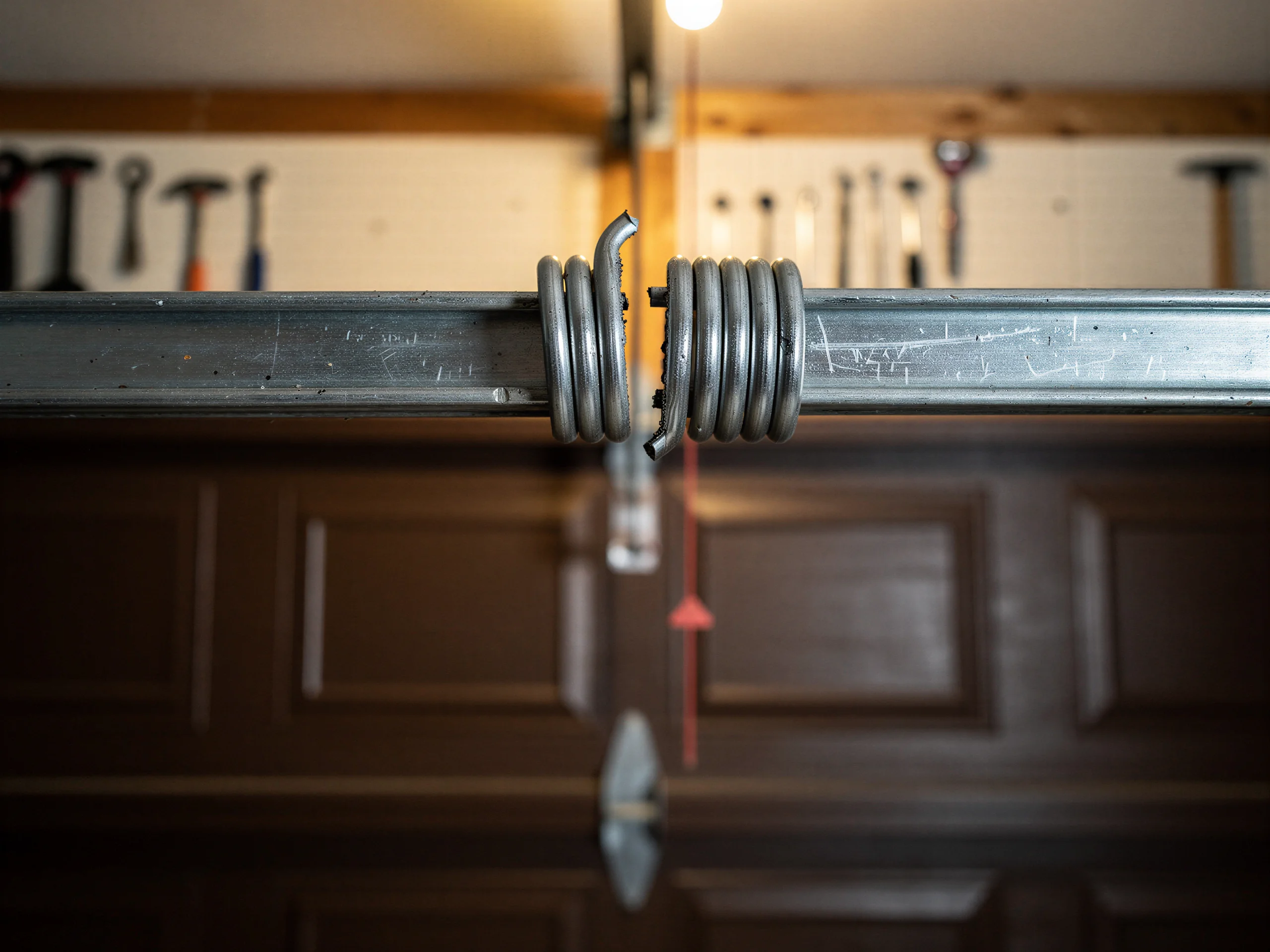
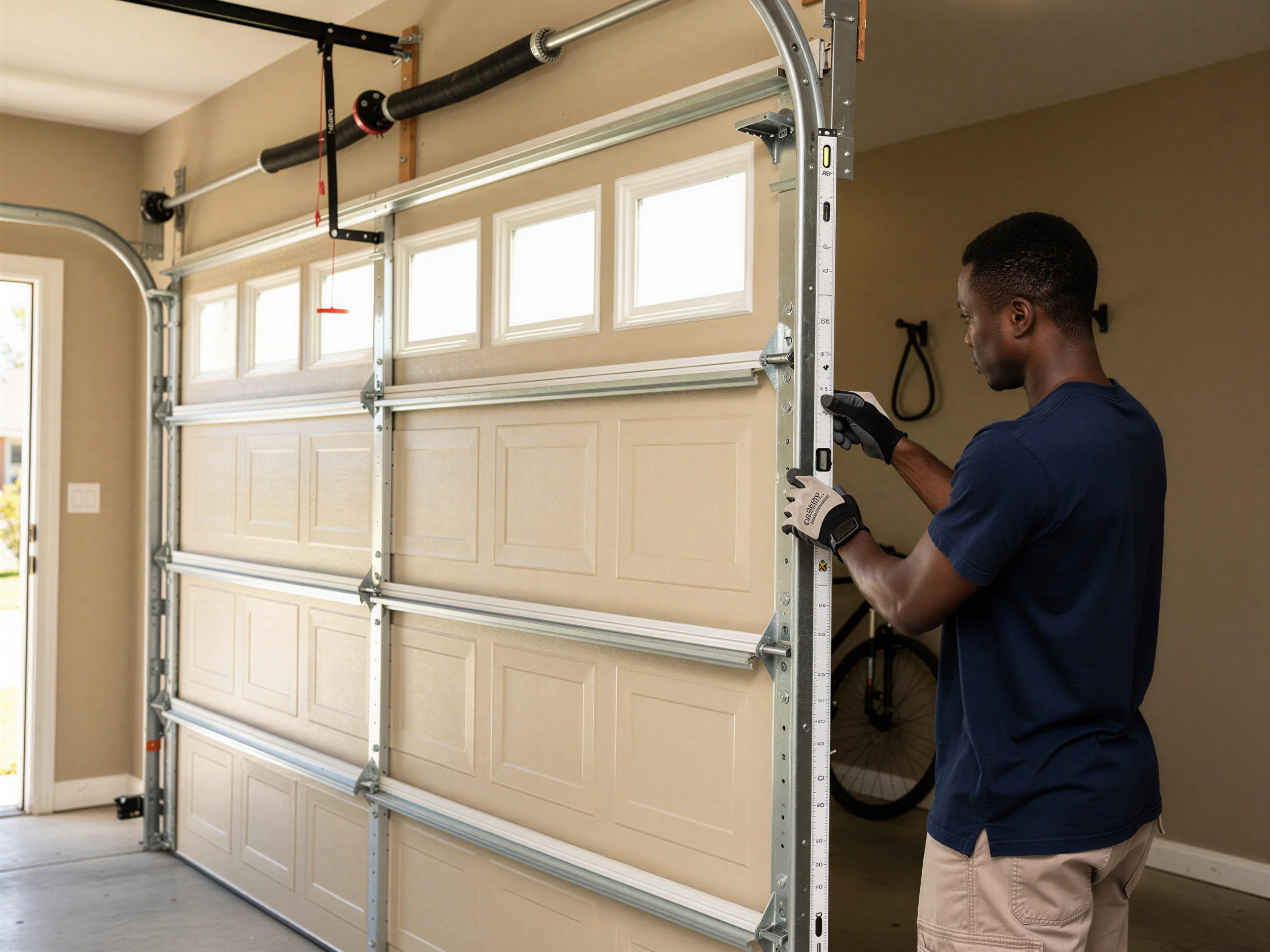
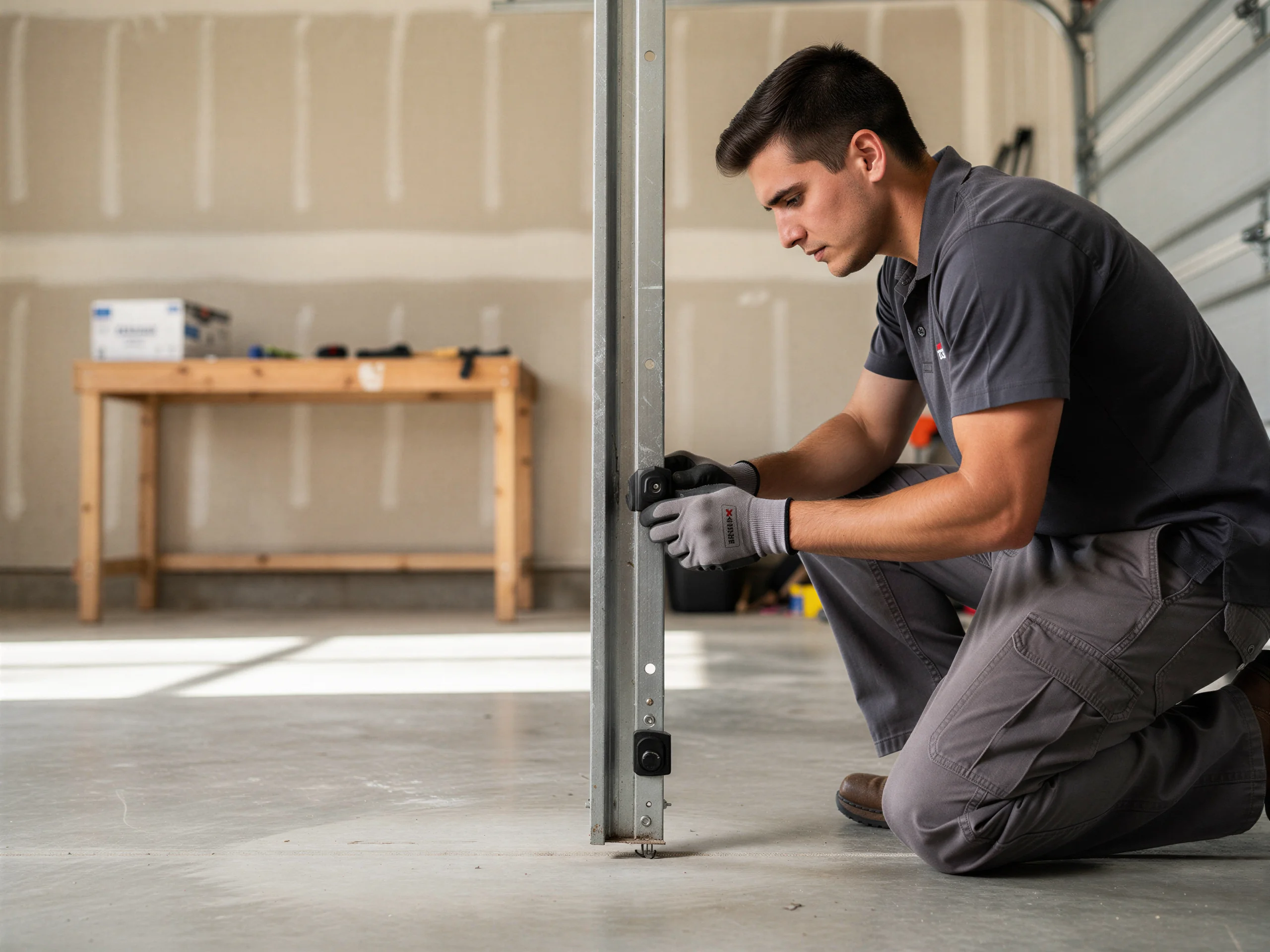
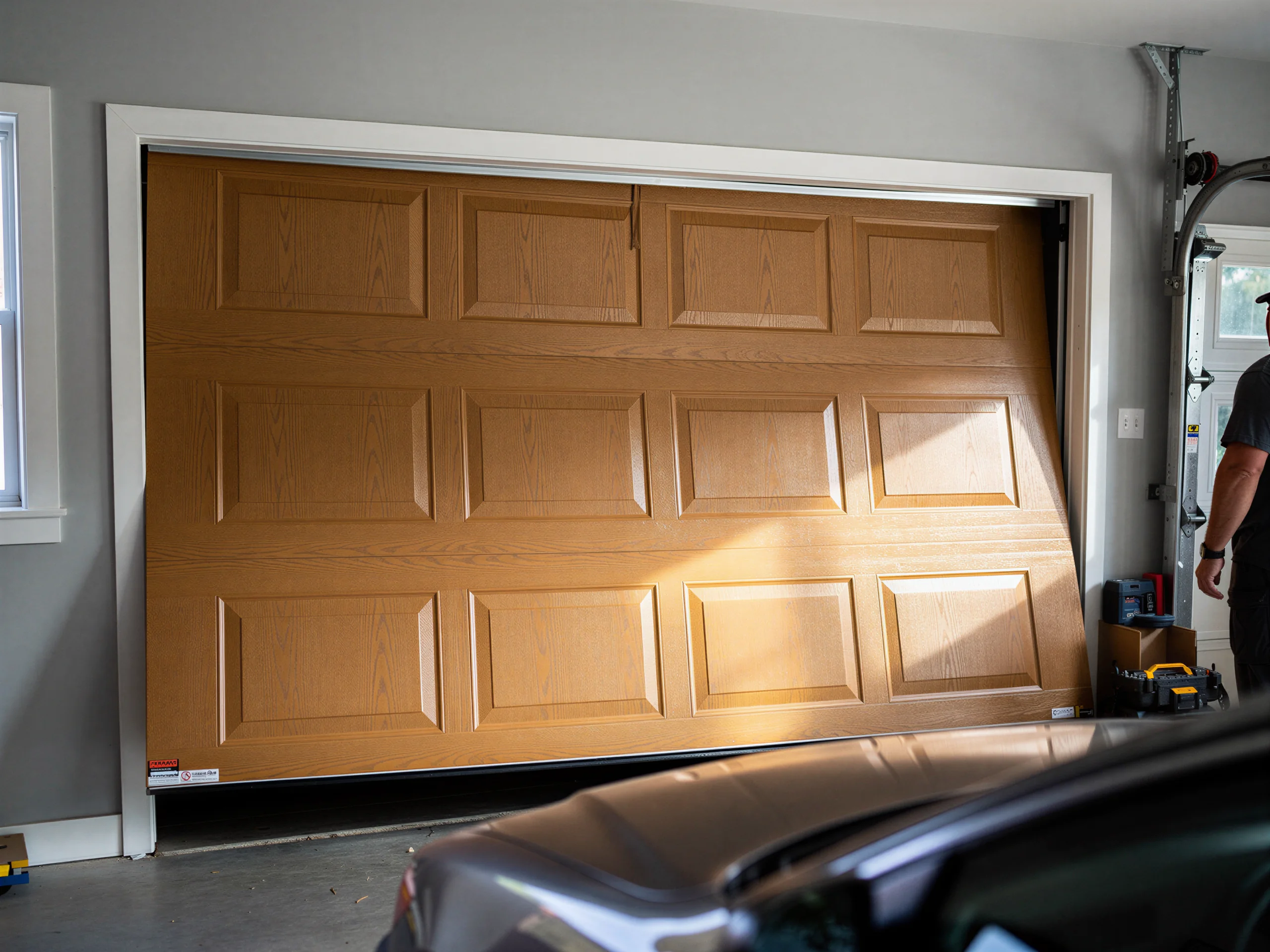
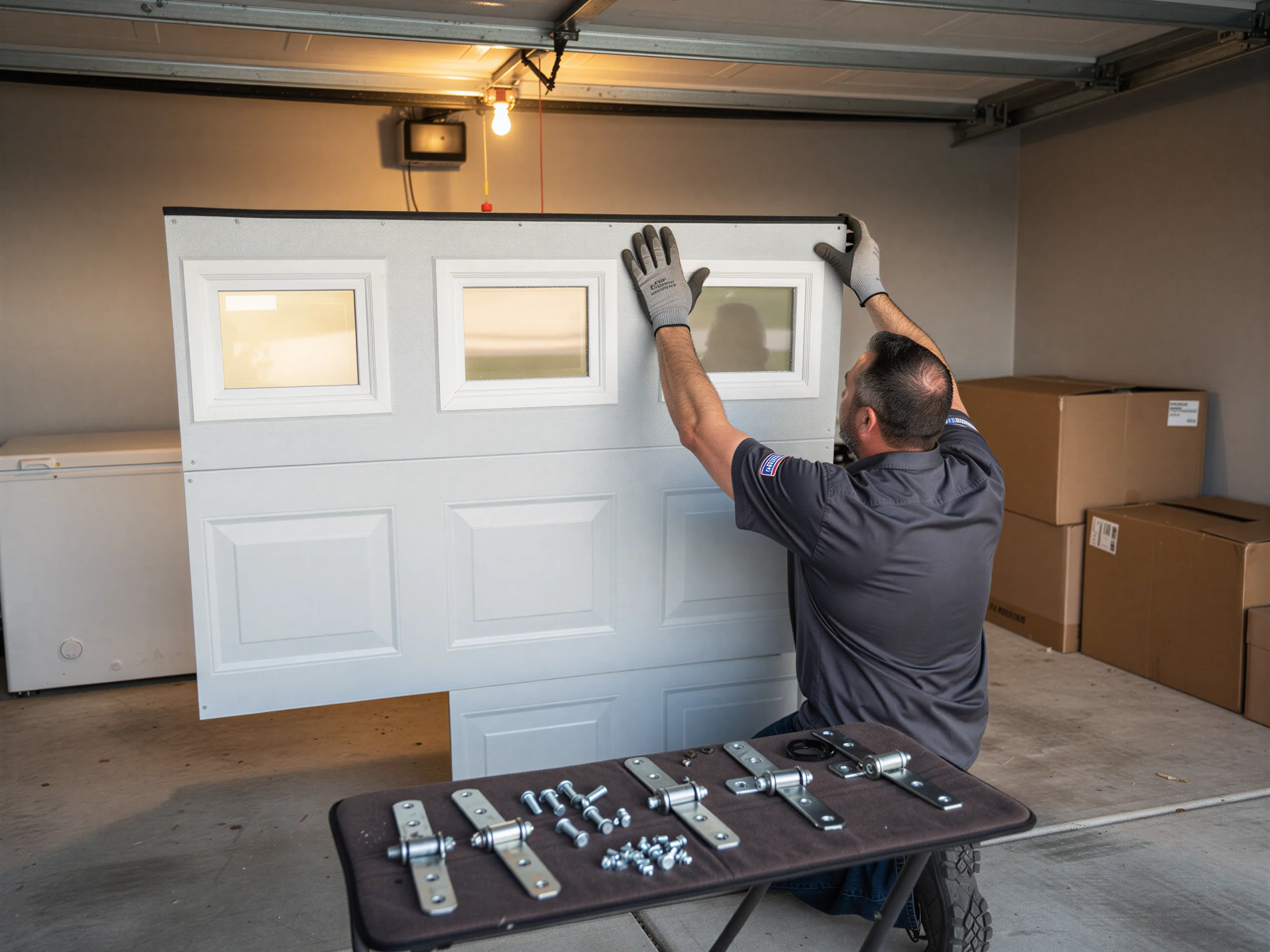
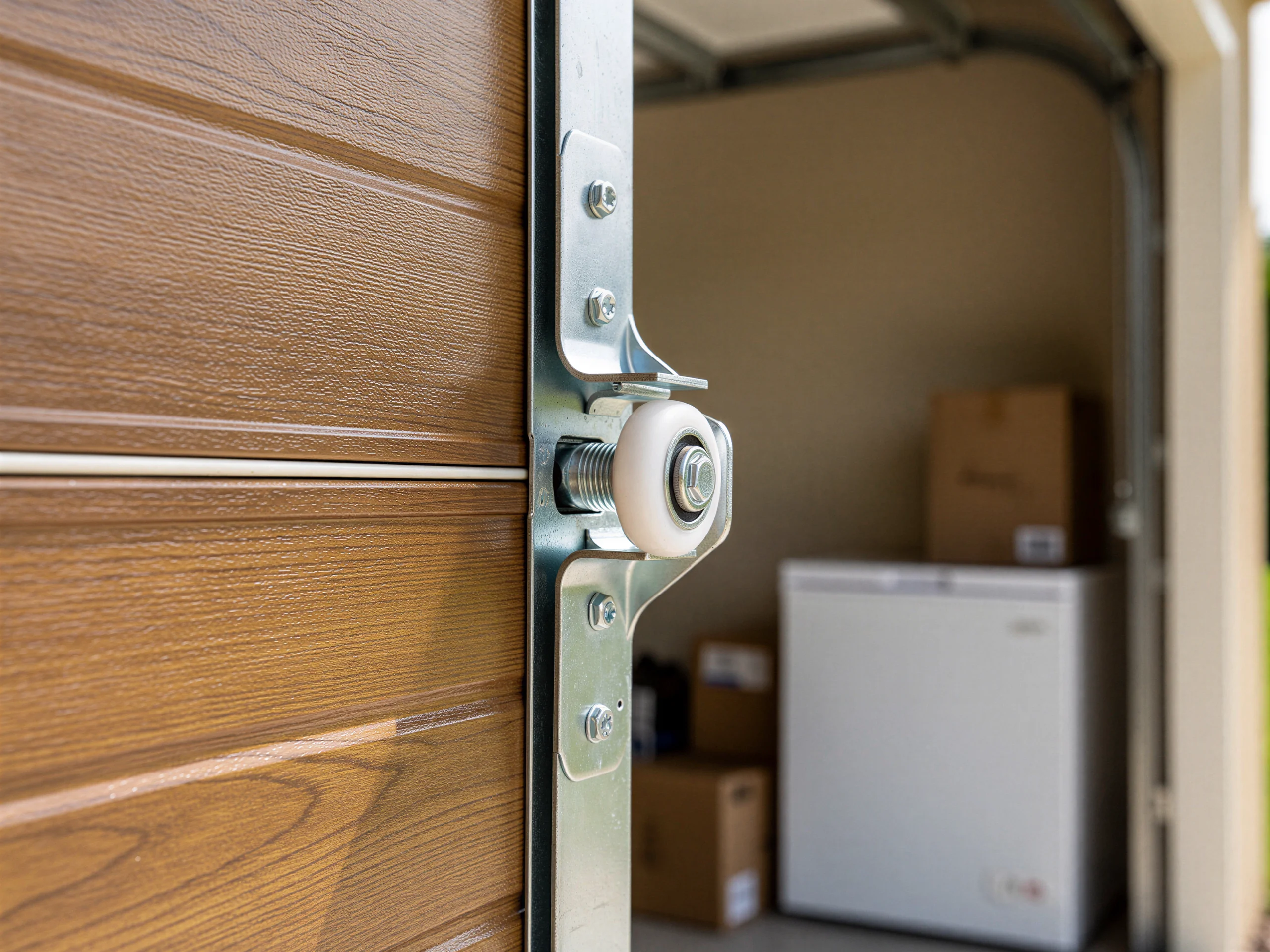
Springs fail from cycle count, not calendar age, but the cycle count climbs faster on houses built when three-car garages and taller doors became common. A heavier door means more tension stored in the spring on every open and close, and that tension is what eventually fractures the coil.
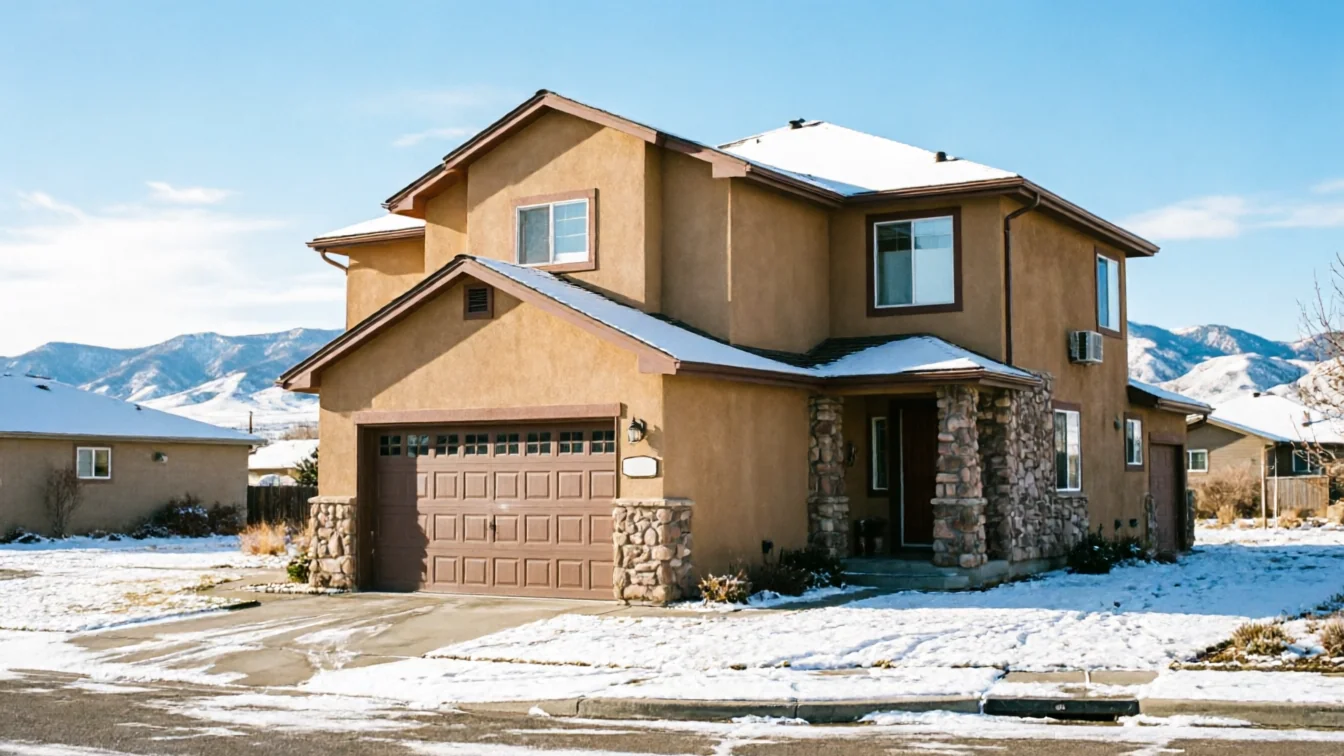
Pasco sits in the same cold-moderate climate band as the rest of the service area, which matters here because steel contracts in cold snaps and expands again once it warms. That cycling stiffens the coil over seasons and speeds up metal fatigue that was already running high from a heavier door. It's not dramatic - no single cold morning snaps a spring - but it's a steady tax on top of the daily open-close cycle.
The broader service area runs mostly 1980s-90s housing stock across six named areas, and Pasco's newer end of that range means the springs we replace here tend to be a step up in wire gauge from the ones we pull in the oldest Kennewick neighborhoods.