
Later build-year stock
Most of that stock went up right around 2000, later than the 1981-2000 spread that covers the wider area we work. That matters for what rides in the truck.
Pasco, Kennewick
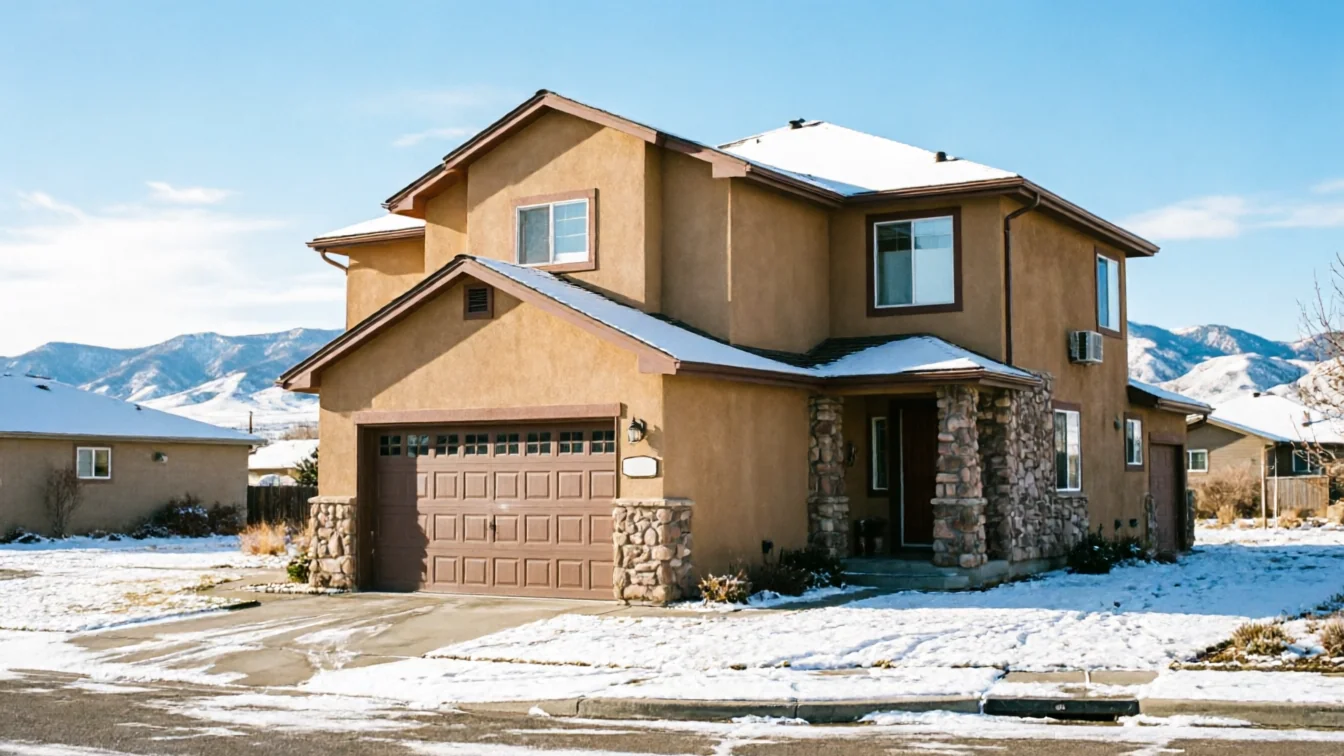
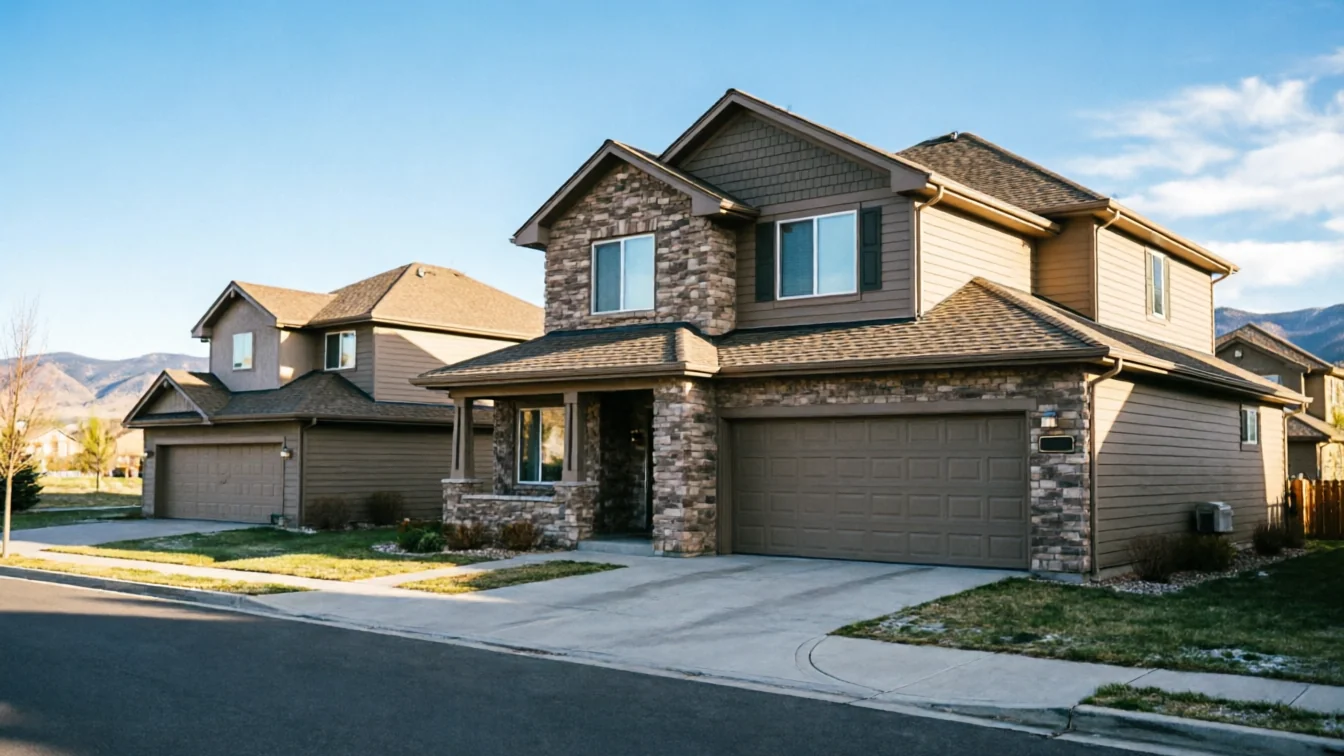
Pasco runs about 23,956 households, mostly built right around 2000. That building run shapes the off-track calls we see here. We travel 5 miles from Kennewick to fix them.
On the truck
Pasco is a real-sized town, not a scattering of houses - somewhere near 23,956 households, smaller than the roughly 34,352 across our whole service footprint but still enough volume that off-track calls here aren't one-offs.
Most of that stock went up right around 2000, later than the 1981-2000 spread that covers the wider area we work. That matters for what rides in the truck.
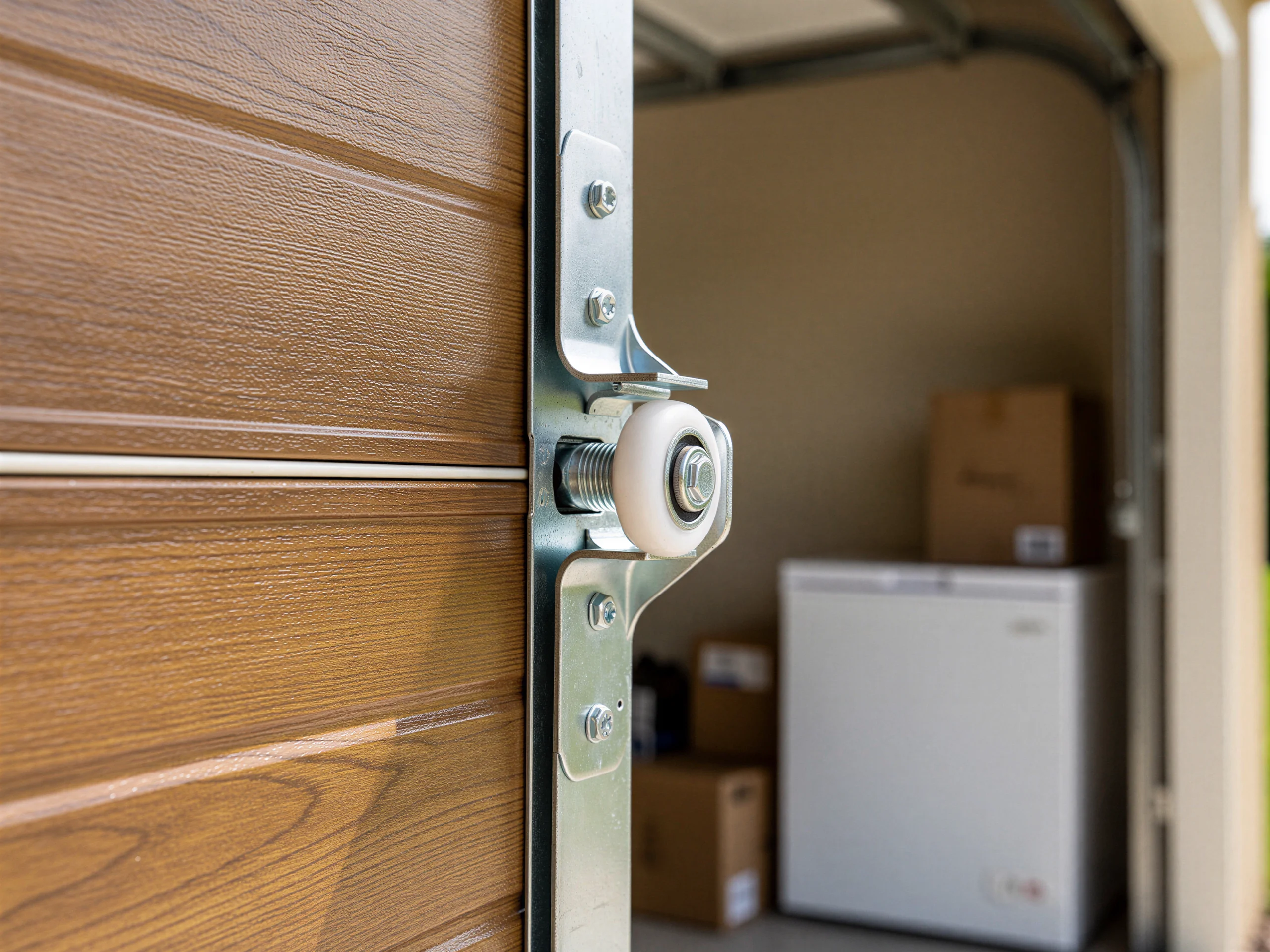
A door that age is almost always a steel sectional panel on nylon rollers running in galvanized track, with a torsion or extension spring setup that's held up fine until a roller finally gives or a bracket works loose.
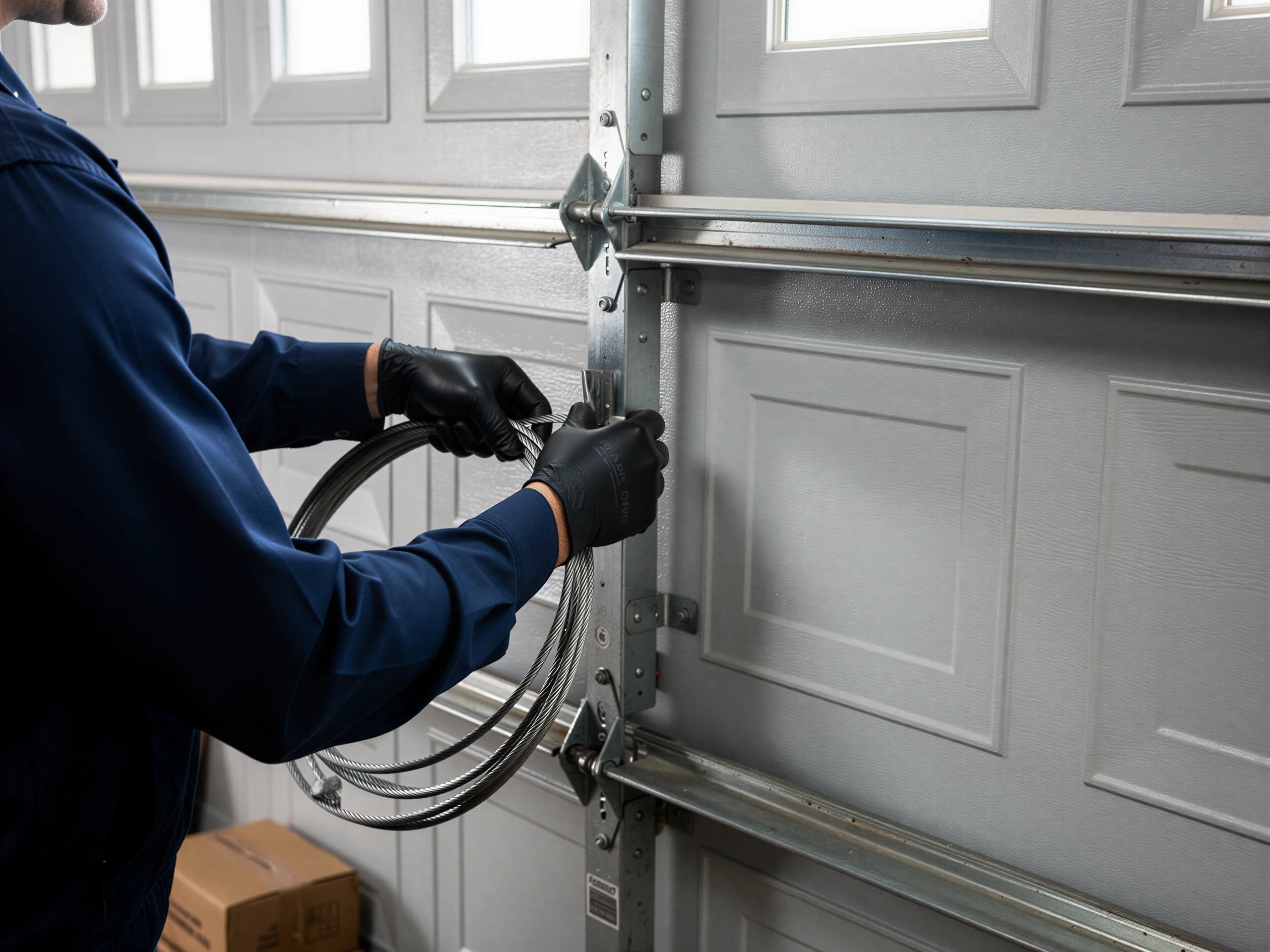
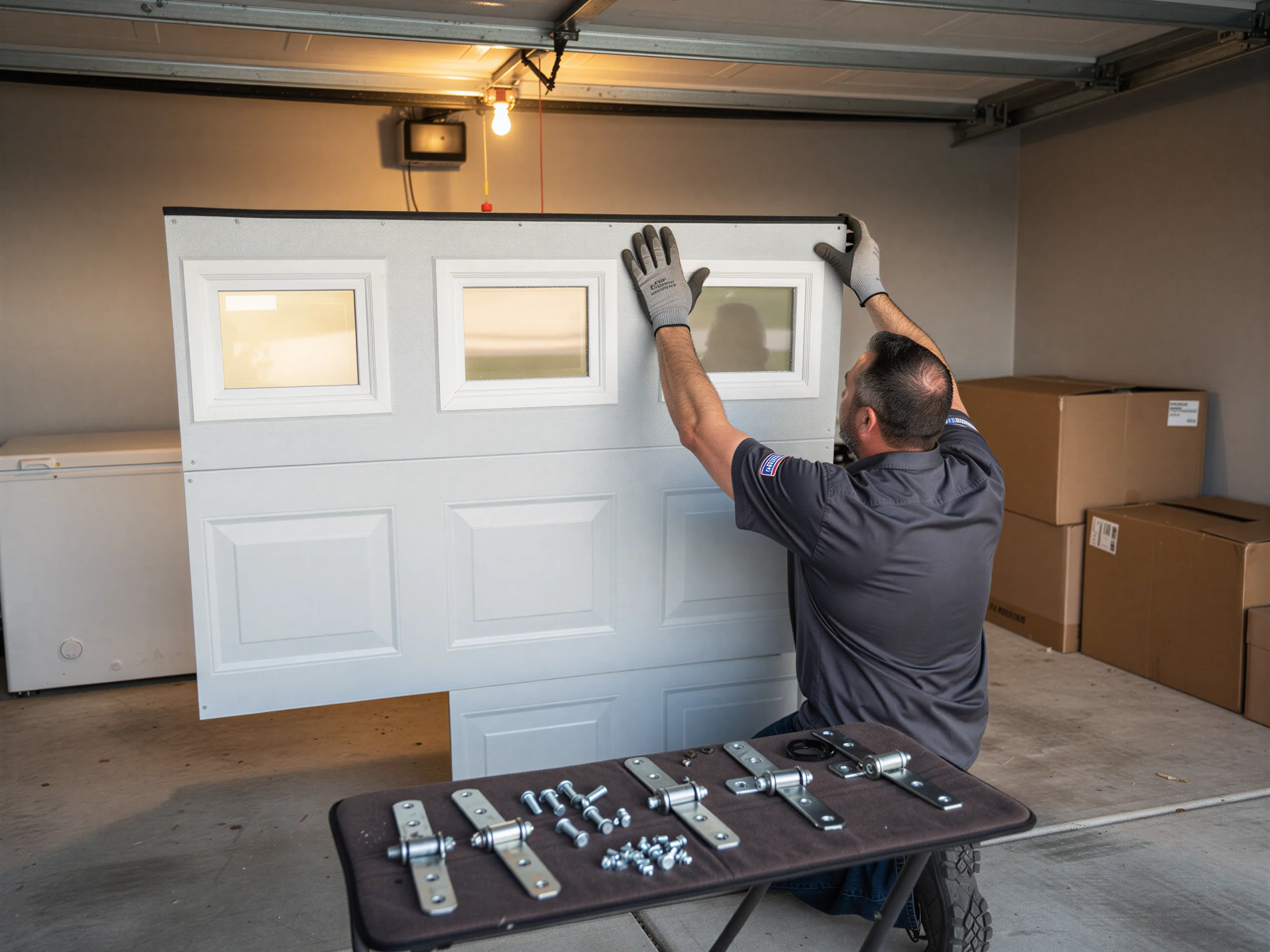
We carry replacement rollers, track sections, bottom brackets, and the fasteners that go with them, because those are the parts that actually come off a 2000-era door when it jumps the track. We don't load up on parts for older galvanized-roller systems the way we might for a 1980s neighborhood - that's a different job, with different failure points.
Local causes
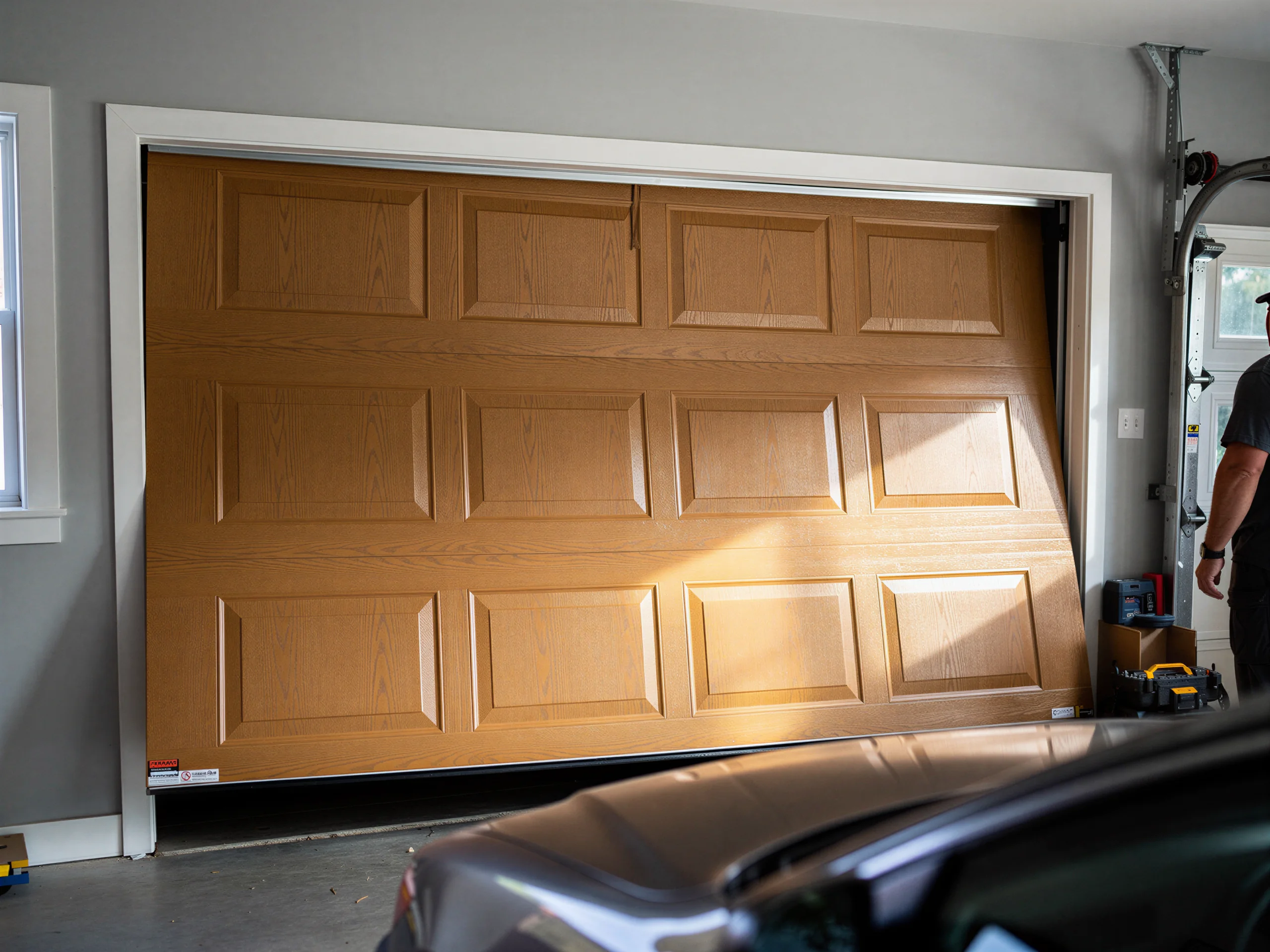
An off-track door is rarely one dramatic event. It's usually a track bracket that's been loosening for months, or a roller that's worn enough to catch instead of roll smoothly. This area sits in a cold moderate climate band, and the freeze-thaw cycle through winter works on anything bolted to a slab or a jamb - brackets back out a sixteenth of an inch at a time, and by spring the door is riding just far enough off true that one hard stop knocks it clean off the rail. Houses built around 2000 in Pasco usually have double doors on a single torsion spring, and when one side's track nudges out of plumb, the whole panel can tip and bind. We see this more in late winter and early spring than any other stretch, which lines up with when that seasonal movement finally catches up to the hardware.
DIY or pro
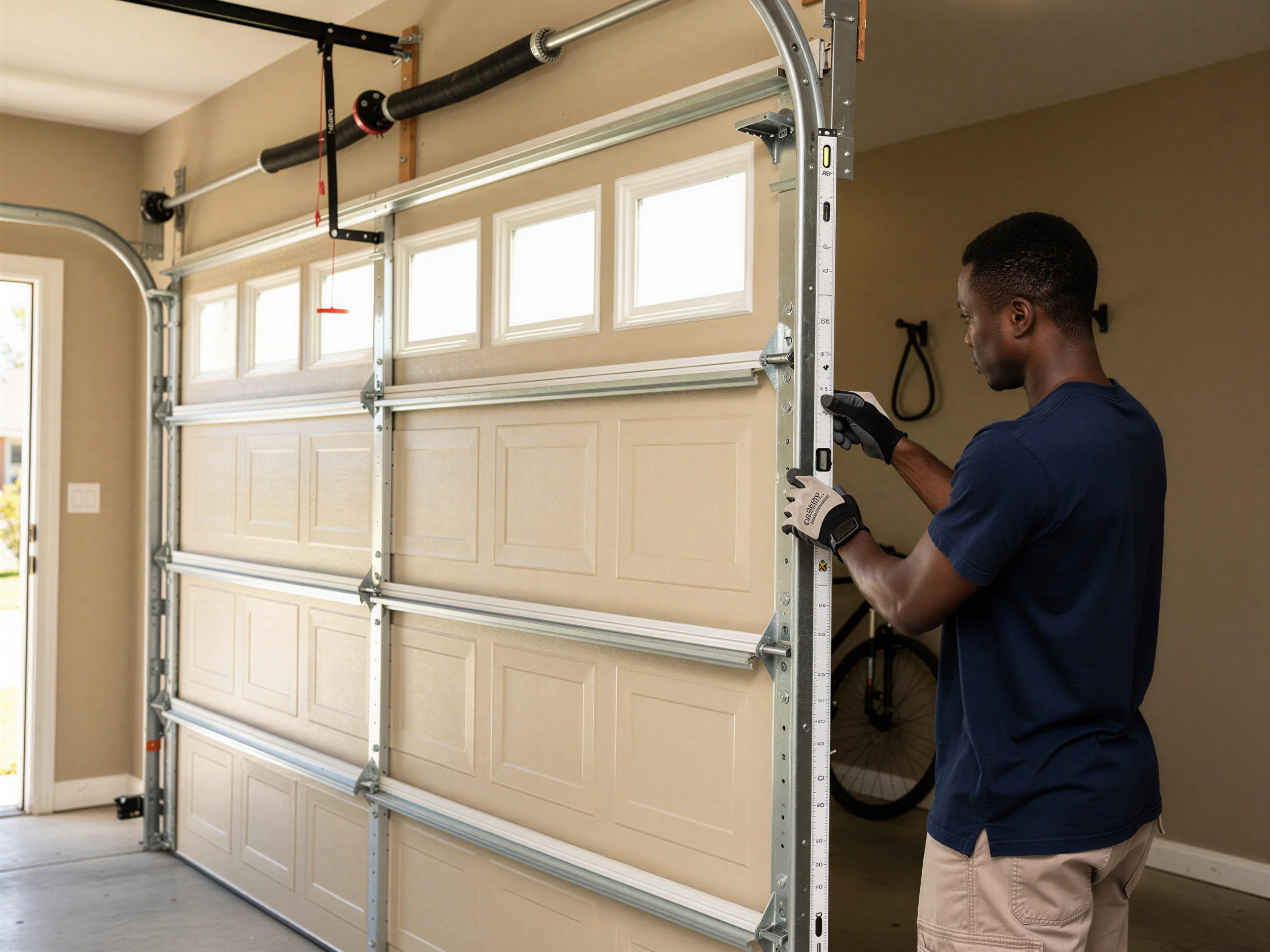
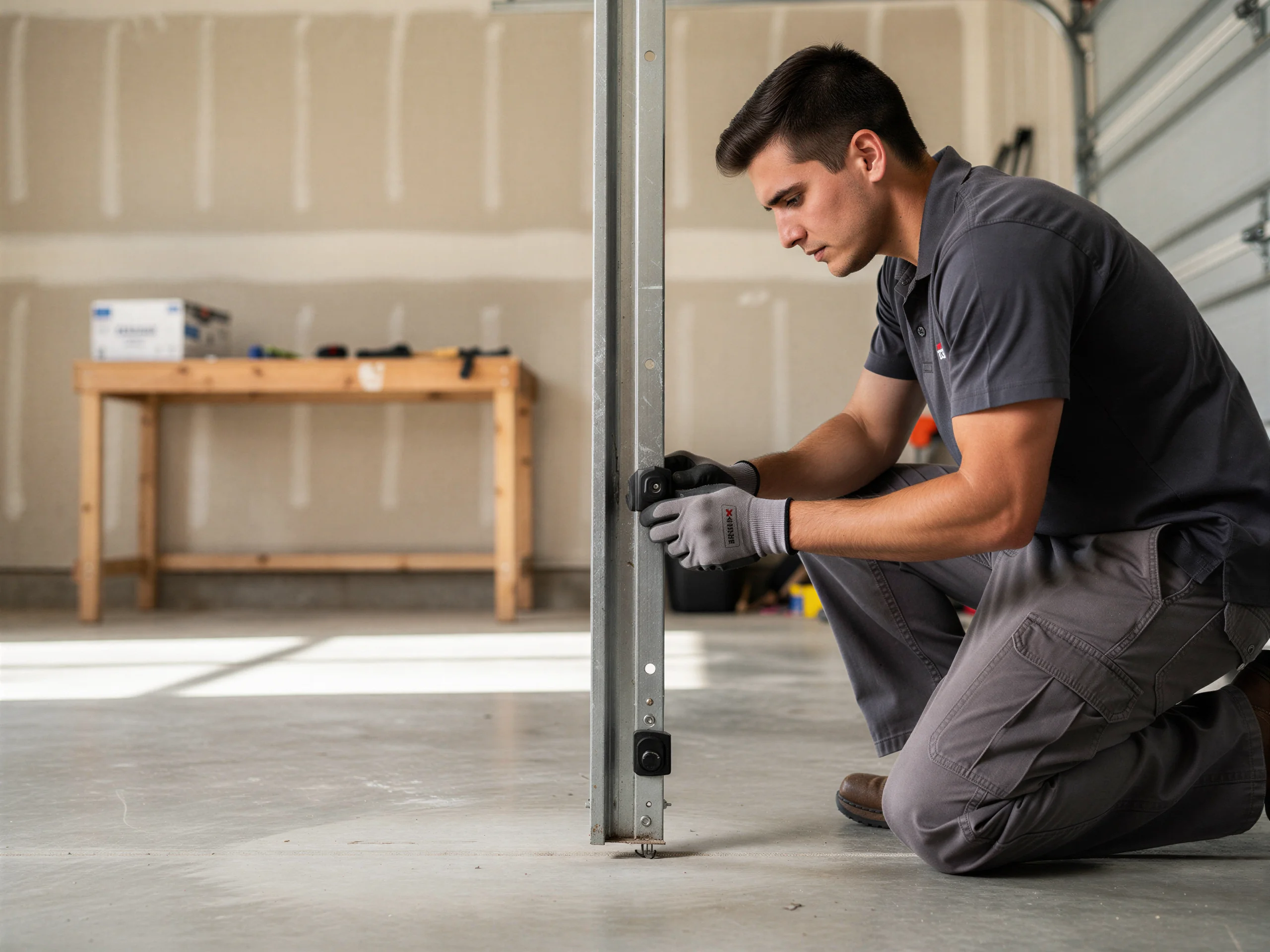
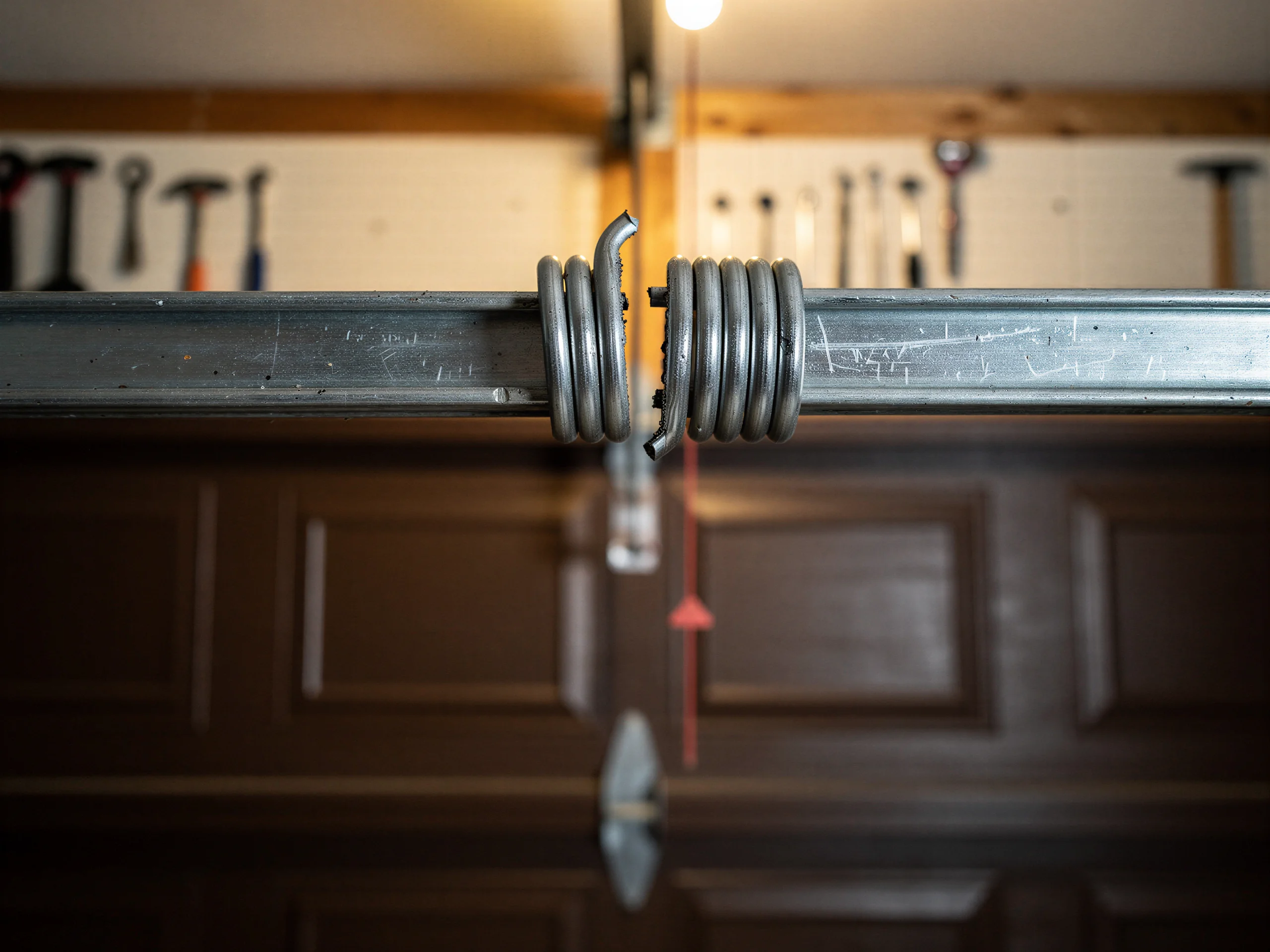
If the door is off the track but the panels aren't bent and the cables are still on the drum, you can sometimes walk it back into the rail by hand with the opener disconnected - but only if there's no tension on a broken spring. If a spring has let go, or if you see a cable hanging loose, stop. A door under spring load that's off its track can drop or whip, and that's not a job for a crowbar and a free Saturday. What you can safely do yourself is check the obvious: look at the bottom brackets for play, check whether the track bolts are backing out of the jamb, and clear out anything the roller might have caught on - a stray bracket screw, built-up grit, a bent lip on the track itself. If straightening it by eye doesn't line the door back up in a minute or two, it's time to call rather than force it.
Booking
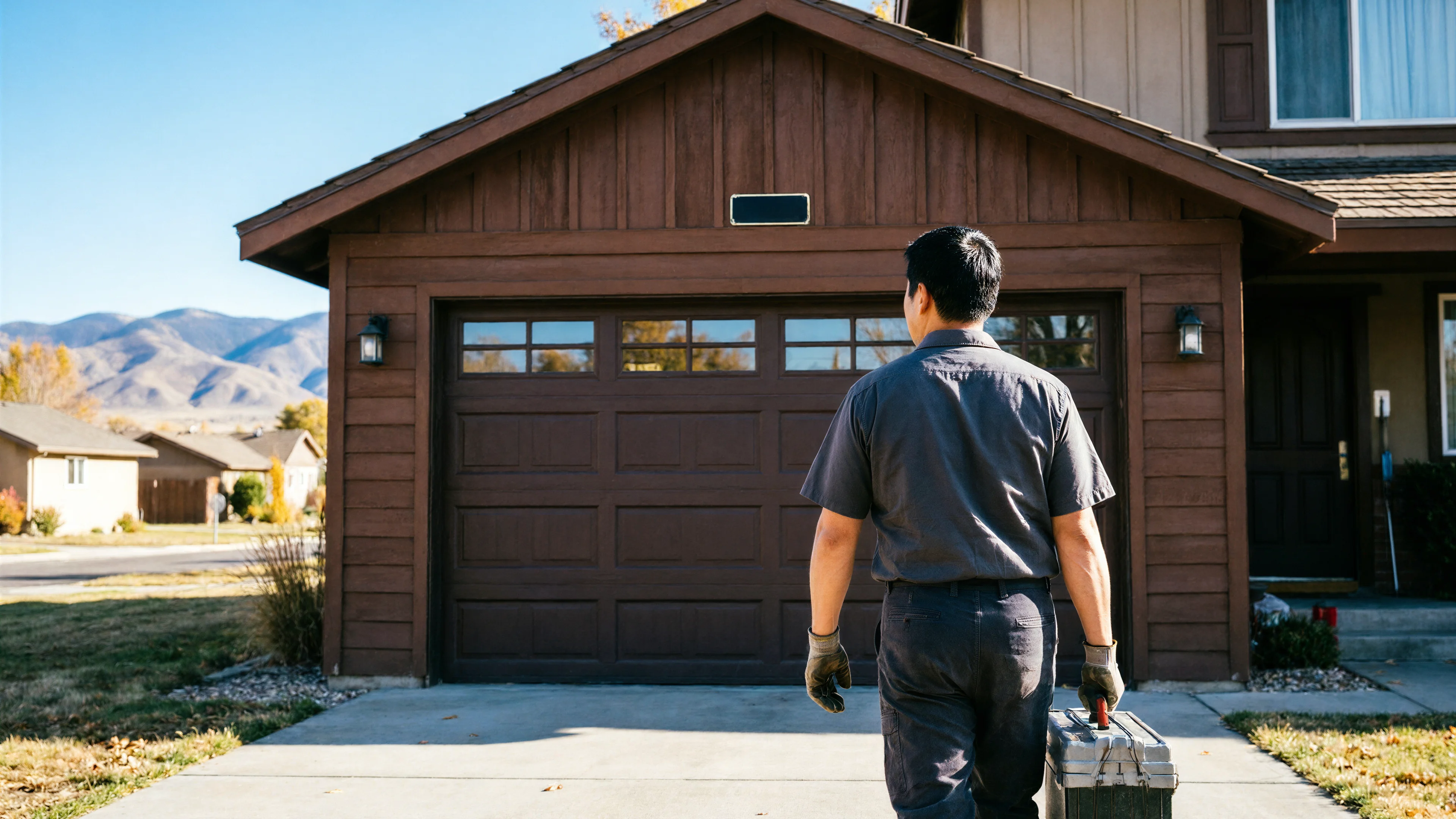
We run out of Kennewick, about 5 miles from Pasco, so when you call about a door that's jumped the track, we're not quoting a drive across the valley - it's a short run.
Tell us whether the door is a single or double, roughly what year the house was built if you know it, and whether you can see a broken spring or snapped cable. That tells us which parts to load before the truck leaves.
For a straightforward track and roller job on a 2000-era double door, that's usually enough information to get a tech out with the right hardware the first trip, instead of a diagnostic visit followed by a second one for parts.
Watch-outs
Not every off-track door is a track-and-roller fix. If the panel itself is bent where it came off the rail, or if the bottom bracket has pulled through the metal rather than just loosening its bolts, you're looking at panel or bracket replacement, not a realignment. And if a cable has come off the drum at the same time the door jumped track - which happens more than people expect, since the two often fail together - that's not a same-visit fix with parts off the truck in every case; a non-standard drum or an older spring size can mean a short wait on a part. We'll tell you straight if what you're looking at is a repair or if the door's old enough and worn enough that fixing it piece by piece stops making sense. Honest answer: sometimes replacement is the cheaper call over the next five years, even when the repair itself is doable today.
Questions
Usually not - it's typically the end of a slow process. A bracket backs out a little at a time, or a roller wears down over months, and the door finally jumps when it hits that one hard stop. If you've noticed scraping, a shudder when it opens, or the door sitting slightly crooked, that's usually the warning before it happens.
Only if there's no spring tension on it - meaning the spring is already broken or the opener is fully disconnected and the door moves freely by hand. If the spring is intact and under load, leave it alone and call. A loaded spring on a door that's off its rail can drop suddenly.
For the common setup - steel sectional door, nylon rollers, galvanized track - yes, that's standard stock since it matches most of the housing built in Pasco around that time. Less common drum sizes or older spring configurations sometimes mean a short wait on a specific part.
Ground and structural movement through a cold moderate winter here tends to loosen track brackets gradually. By late winter or early spring, enough play has built up that a routine stop or start finally knocks the door off true. It's less about one cold snap and more about the whole season working on the hardware.
Explore more
Ready when you are
Kennewick Garage Door Pros repairs and installs garage doors, springs and openers in Kennewick, WA and the surrounding area.